sponsored
Innovating Local Government
Under Mayor Park Won-soon, the city of Seoul has become a leader in fostering social innovation.
Under Mayor Park Won-soon, the city of Seoul has become a leader in fostering social innovation.
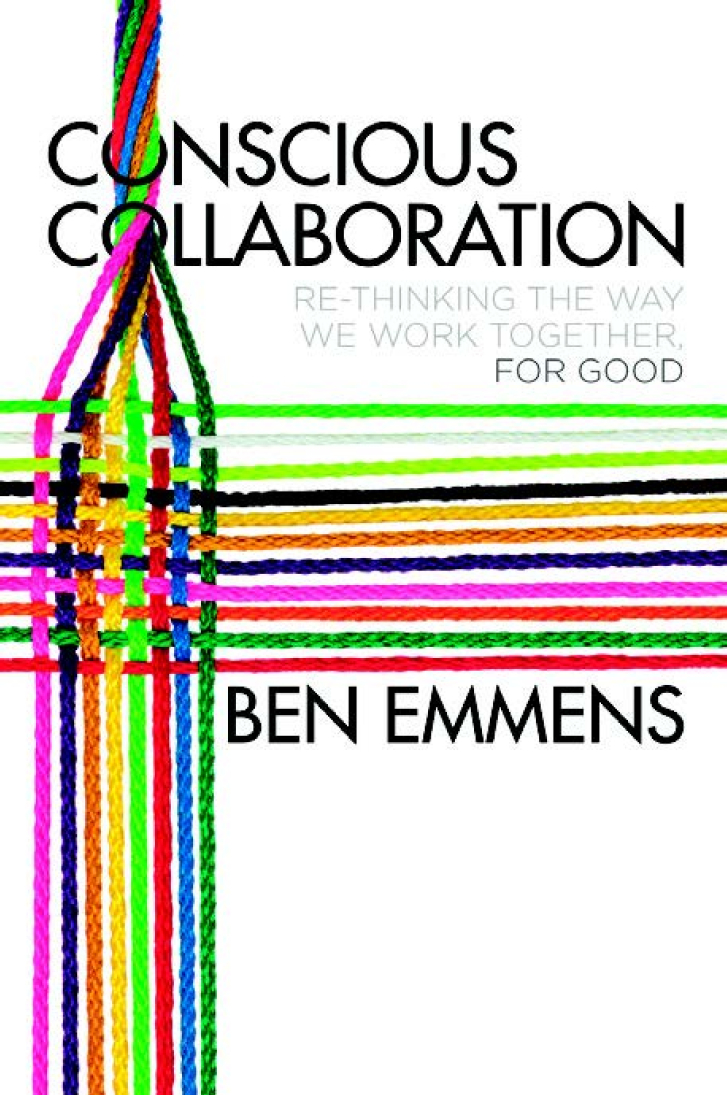
Ben Emmens provides a primer on collaboration between different organizations and sectors.

Top-down development doesn't work. What's needed is a "pull model" created by locals, funders, and government agencies working together as equals.

When monitoring and evaluation are in an organization’s DNA, as they are at SNEHA, it’s much easier to create partnerships with government agencies and NGOs.
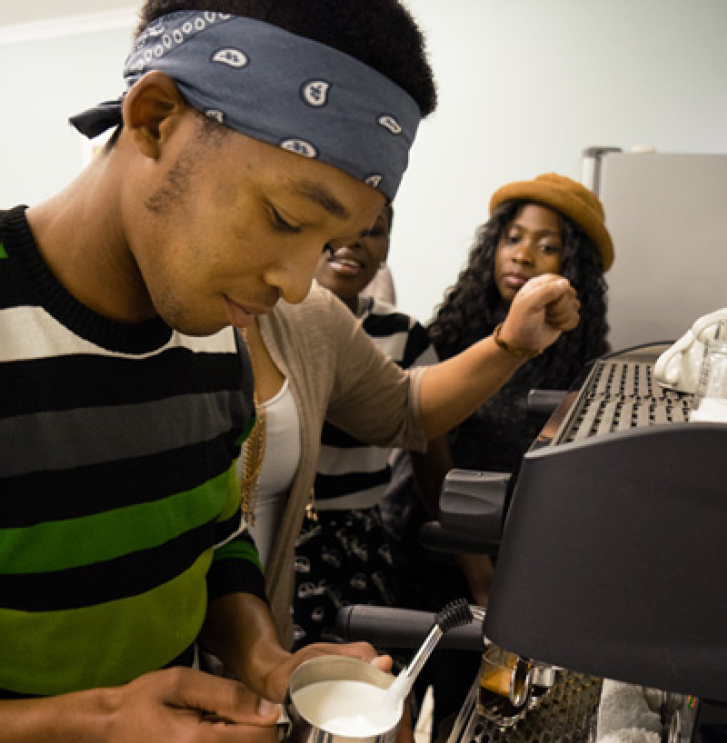
Instead of prescribing higher education as the silver-bullet solution to poverty, we must provide diverse and contextualized pathways to disadvantaged children, enabling them to redefine the dominant narrative of success.

Borrowing from the renewable energy sector, we can create a better food system by organizing regional governments to create markets for smaller producers and establishing coordinated networks that can amplify best practices.

Social innovation educators are responsible for teaching students how to become collaborative community partners. Here's how.

A collective impact effort in Greater Cincinnati offers a useful framework for evaluating community change.
Three lessons from the field for NGOs pursuing social impact investing.
In bringing the nutrition cohort a carefully calculated strategy, patient capital, and a willingness to let go, Newman’s Own Foundation is demonstrating success at the heart of the collaboration challenge.