IMPACT INDIA
Circular Social Innovation in India
Social enterprises in India are using restorative and regenerative, circular economy principles to address the deep-seated sustainable development challenges.
Understanding why people are poor and innovative ways to alleviate poverty
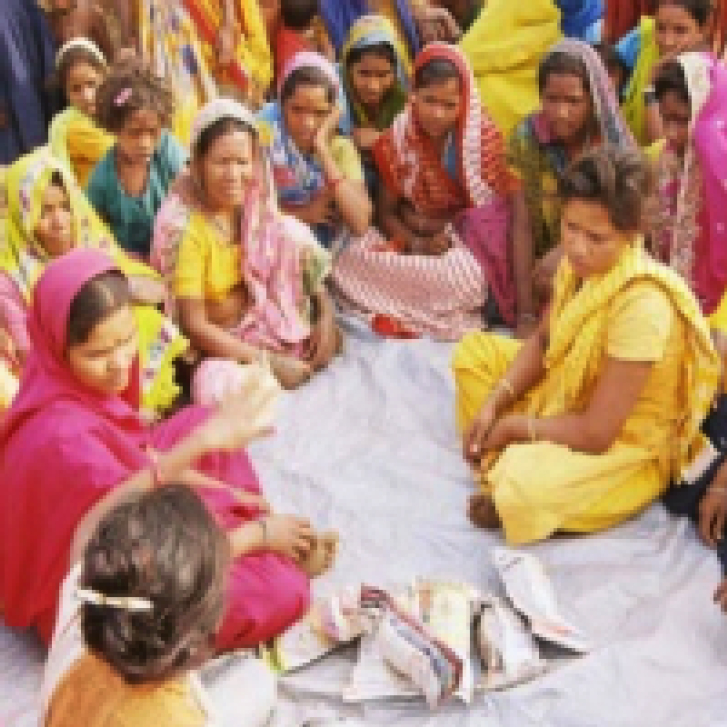
Social enterprises in India are using restorative and regenerative, circular economy principles to address the deep-seated sustainable development challenges.
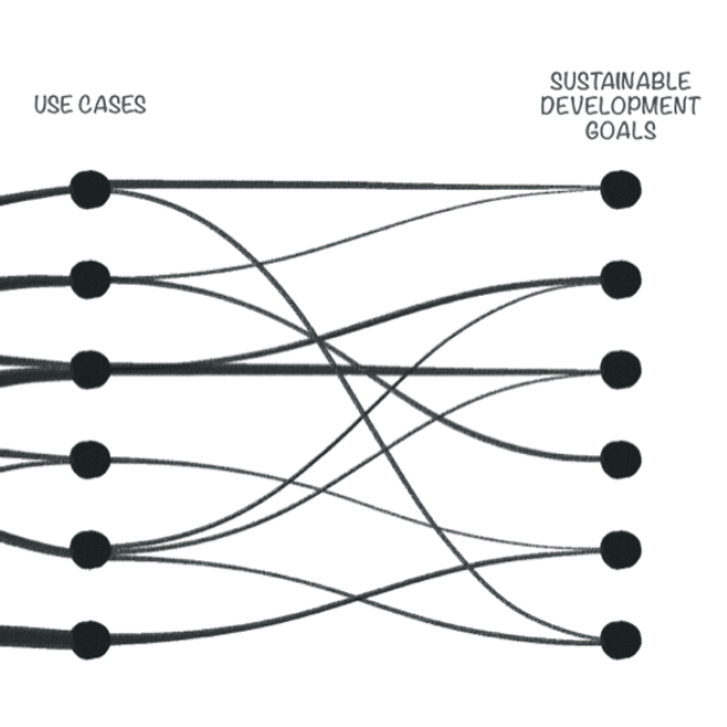
Affordable, accessible financial products and services like mobile money are becoming more prevalent in the developing world, but are they improving the lives of the poor?
Public and private leaders should collaborate to promote health amenities in different neighborhoods—enabling prospective residents to make relocation decisions that could improve their quality of life.

The former USAID administrator, and president of one of the United States’ largest foundations, reflects on the role of philanthropy in times of austerity and the greatest challenges Rockefeller is undertaking both domestically and abroad.

Colombia’s Comfama has brought critical economic and social services to Medellín. Can this public-private hybrid continue to bolster the country’s growing middle class?

A collaboration between the NAACP and Airbnb is one of several new efforts to reduce racial discrimination on home-sharing platforms.

What is the role of community-based innovation in a rapidly changing world?

Libby Schaaf’s career—first as an attorney, then running a nonprofit, and now as mayor of Oakland—is the journey of a cross-sector leader.

To feed the world’s growing population, we must do more to promote the success of urban farms through better tracking, financial incentives, land use, and support systems.
Don’t indulge. It can drain the joy right out of the work.