Social Services
Empathy Through Service
Programs like Teach for America can help participants take on the perspectives of those they seek to help.
Understanding why people are poor and innovative ways to alleviate poverty

Programs like Teach for America can help participants take on the perspectives of those they seek to help.
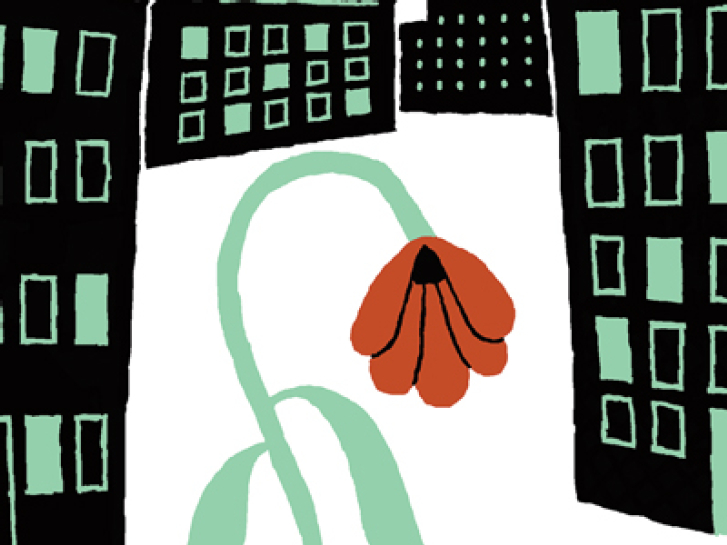
Lower-income communities have stronger need for nonprofits but struggle to attract and sustain them.
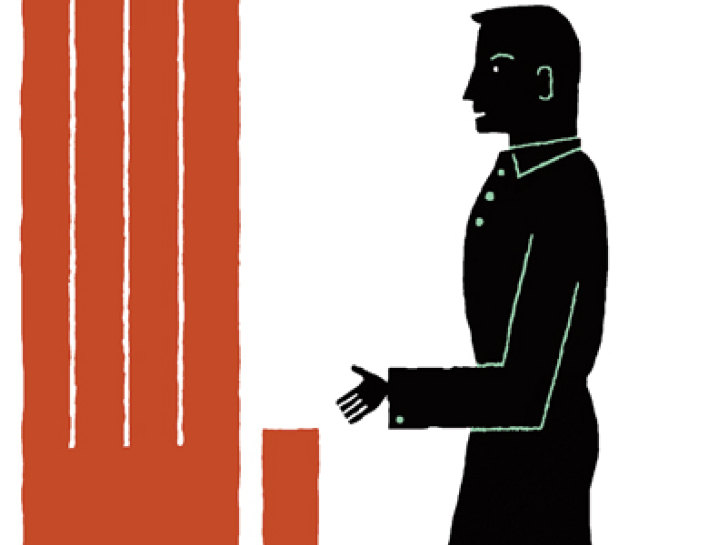
Being imprisoned hurts people’s prospects for employment by taking them out of the job market.

By wielding their deep experience in distressed local communities and using four methods for channeling investment into marginalized regions, foundations can play a deciding role in the success of the Opportunity Zone federal tax incentive.
Too often impact investors park customer insight at the door when focused on projects in poor communities. These approaches can help them learn what their target consumers really want. Part of a series produced for SSIR with the support of the Hewlett Foundation.

Sriya Iyer reveals how faith has driven India’s increasingly powerful economy.
How philanthropy can support low-income families to build powerful networks and craft policy solutions that reduce poverty in the United States.
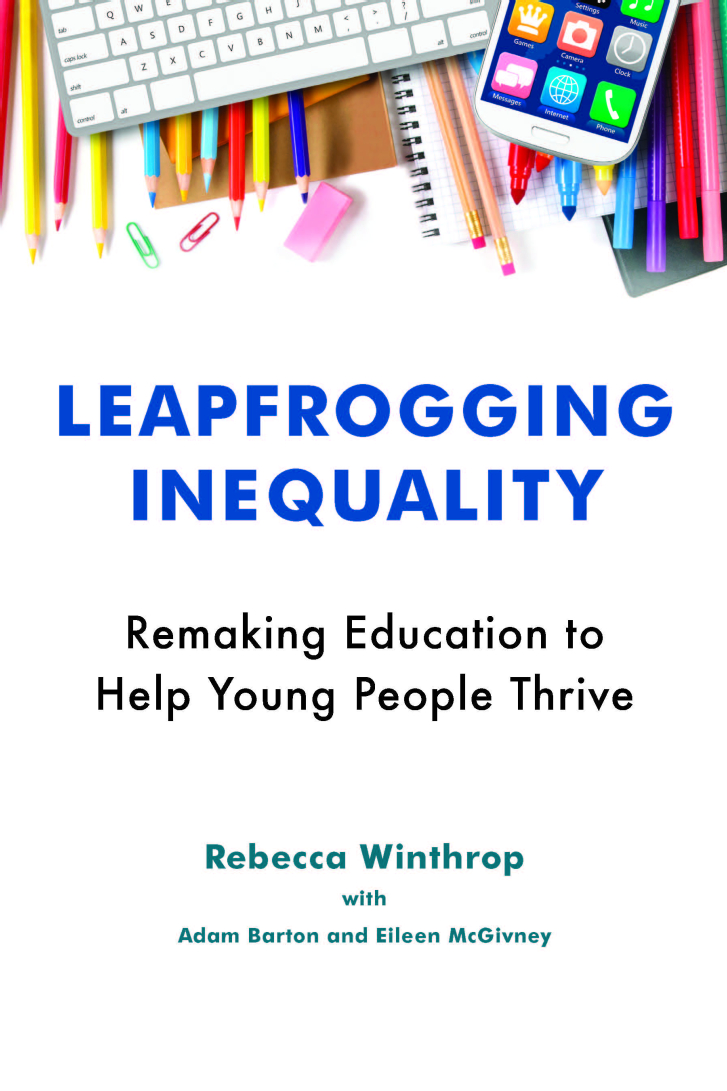
An excerpt from Leapfrogging Inequality: Remaking Education to Help Young People Thrive.

Framing the opioid epidemic as a crisis and an individual problem obscures the power of prevention and society’s role in promoting it.
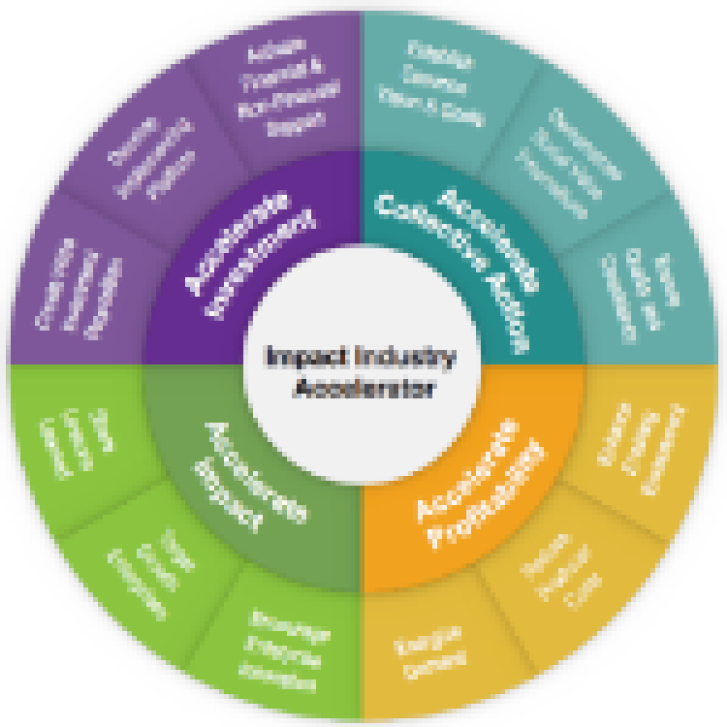
The experience of the Global Alliance for Clean Cookstoves in accelerating investment, collective action, profitability, and impact provides lessons for other impact industries attempting to do the same in base of the pyramid markets across the developing world.