sponsored
Scaling Up Social Innovation
Innovation is more than a good idea—it’s a patient process of iteration, learning, evaluation, implementation, and, importantly, scaling up what works.
Understanding why people are poor and innovative ways to alleviate poverty
Innovation is more than a good idea—it’s a patient process of iteration, learning, evaluation, implementation, and, importantly, scaling up what works.
In a world increasingly focused on measurable impact, human rights inequities are difficult to frame and fight. Yet solving them is key to meeting other social challenges
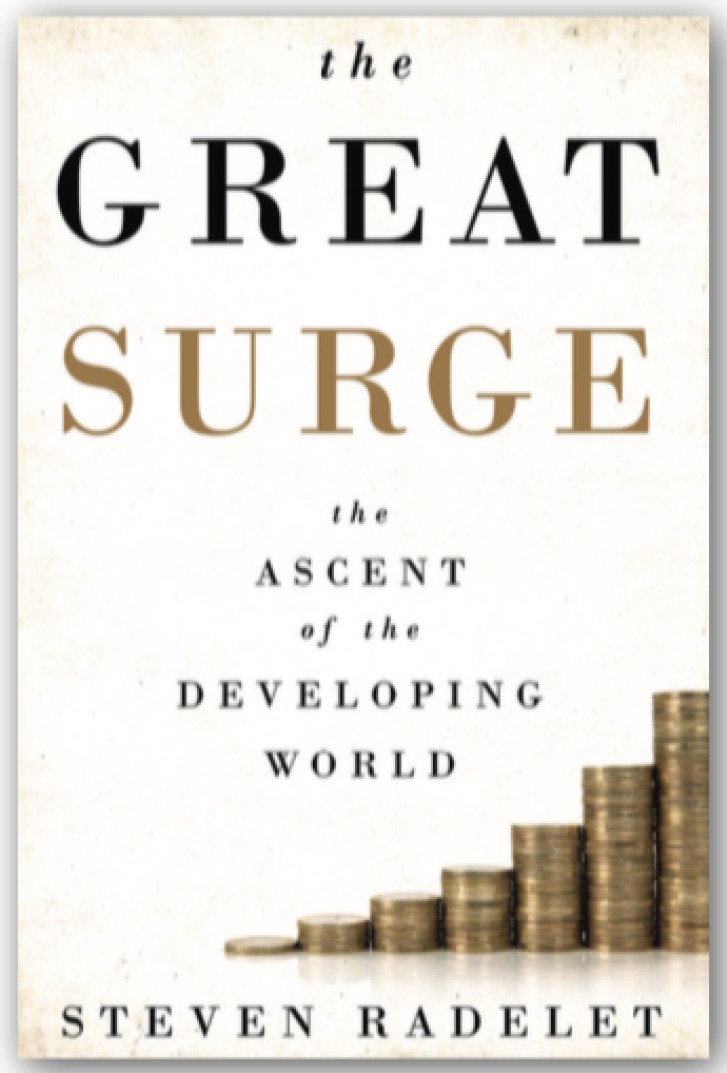
A new book reminds pessimists that growing numbers of people around the world are wealthier and healthier than ever before.
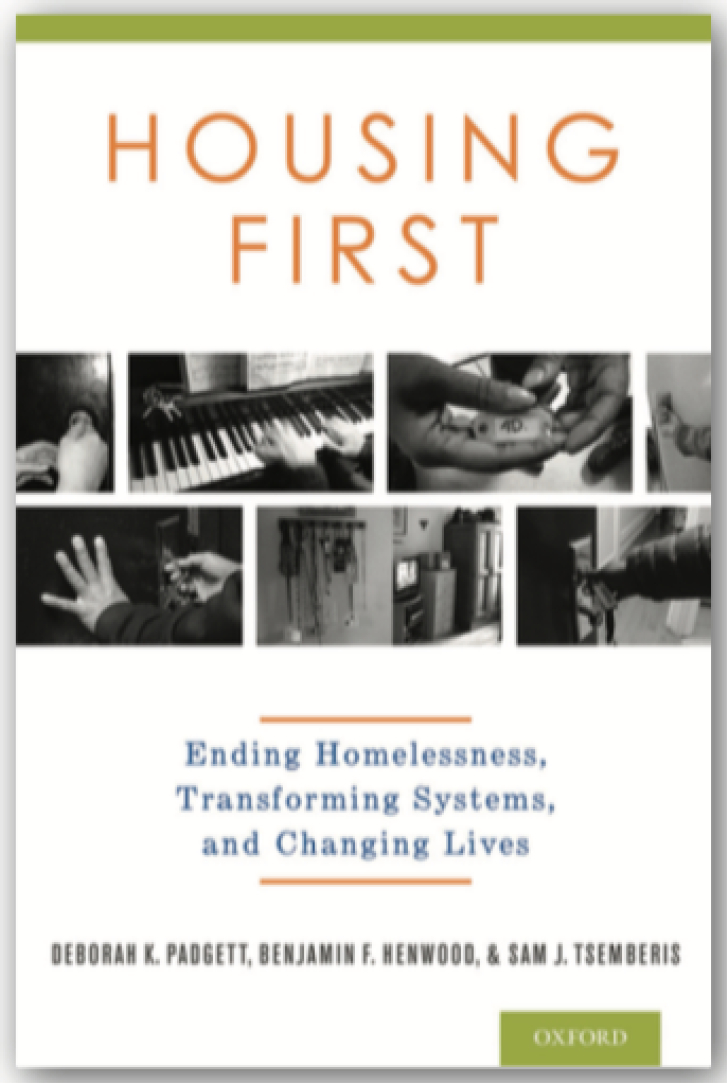
The success of the Housing First movement shows why social service providers must listen to the people they serve.

One of the cities hit hardest by the wave of home foreclosures was Stockton, Calif., a city that later declared bankruptcy.

Substitute the word “impact” for “social performance,” and current debates in the investment community sound exactly like the ones the microfinance industry had 10 years ago. The investor community can learn from microfinance’s successful efforts to set standards for non-financial returns—the “other bottom line.”
For households facing financial volatility, the wrong kind of credit can drag them under. But it can also be a tool for building stability. How can we make loans for big-ticket items like vehicles both good for people and good for business?

The financial services industry is at the beginning of a wave of innovation that has the potential to improve consumer financial health.
Policies aimed at generating long-term financial security have become irrelevant to many American households. We need new policies to shore up households in the short term.
Even in the world of poverty and development, seduction sometimes works out OK.