Cities
Building Up Impact
The spread of affordable housing impact statements offers US cities hope for more equitable development.
Understanding why people are poor and innovative ways to alleviate poverty
The spread of affordable housing impact statements offers US cities hope for more equitable development.
Critics have argued that charitable giving isn’t focused enough on the poor, isn’t sufficient to make a difference, is undemocratic, and more, but research—and history—show otherwise.
A range of strategies and tools can help people in poor neighborhoods make the economic, political, and social connections they need for success.
An innovative digital currency could help harness and unleash more private capital to alleviate poverty, reduce greenhouse gas emissions, and achieve the UN's Sustainable Development Goals.
Highlights from the first two days of SSIR’s Frontiers of Social Innovation, a forum of change-makers themed around “Inclusive Markets—Inclusive Societies.”
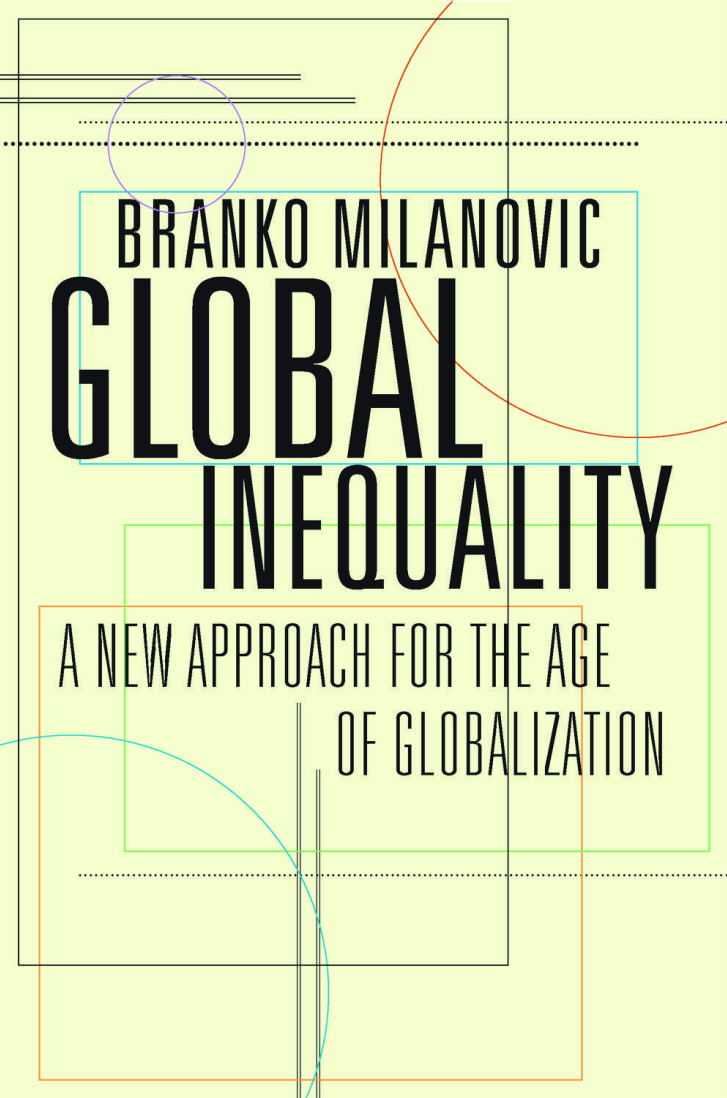
This passage from Global Inequality argues that we should focus less on inequalities between specific identity groups and more on reducing overall wealth gaps.

By using a dynamic framework for authentic collaboration, we can increase the potential for problem-solving and create long-term, societal level change.
Fourteen ways to create a marketplace that expresses the wishes and best interests of the many, not the few.

Reverse and frugal innovation approaches have their limits when it comes to health impact for the poor. We need more ways to provide high-quality, affordable products to low-income people.

There is no doubt that social change efforts are accelerated by data, but investing in high-quality, cutting-edge research alone isn’t enough to produce solutions. Funders and researchers have to invest more in translating research into action.