Energy
Recognizing India’s Energy Independence
It is time for the West to shift its orientation to India and other developing nations—away from a paternalistic position to one of true partnership.
Understanding why people are poor and innovative ways to alleviate poverty
It is time for the West to shift its orientation to India and other developing nations—away from a paternalistic position to one of true partnership.
We need more risk-takers and innovators who can offer end-to-end support to smallholder farmers facing climate vulnerabilities and other challenges.
Faith Mitchell of Grantmakers In Health, Dr. Robert Ross of The California Endowment, and Nick Tilsen of the Thunder Valley Community Development Corporation talk about how their organizations are addressing health gaps among different communities.
Stanford's Rob Reich moderates a panel with Ford Foundation president Darren Walker and Craig Newmark of Craigslist.
Resistance to unconditional cash transfers may be less about their effectiveness and applicability as a participant-focused programmatic strategy, and more about the development community’s vested interest in maintaining the status quo.
Three experts talk about their organizations' experiences tackling poverty, in a panel moderated by SSIR managing editor Eric Nee.
A growing economy appears to contribute little to most Kenyans’ quality of life. Why the government and outside investors need to rethink Kenya's education system and development model.
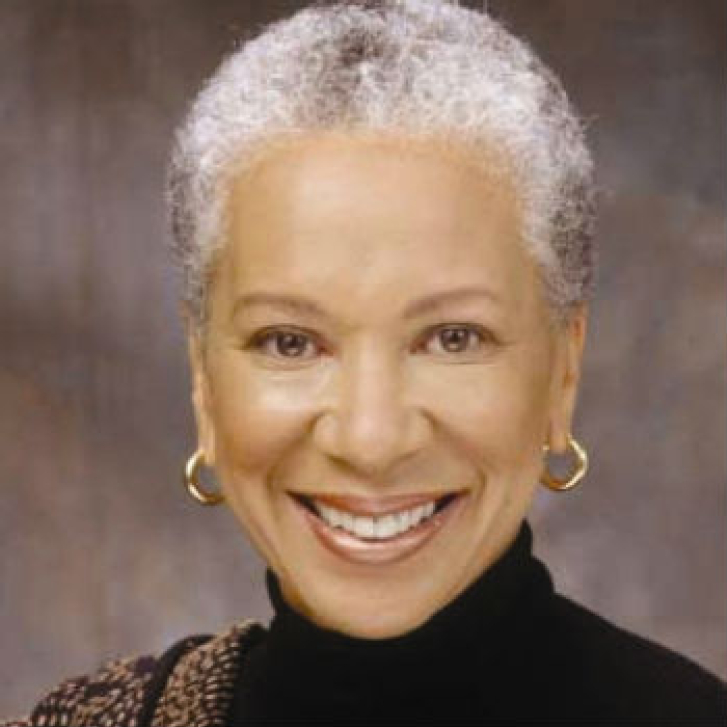
To really make a difference in tackling inequality, we need coordination on a range of policy issues, from housing and transportation to jobs and education.
Paul Brest, co-director of Stanford PACS, explains why it is important for funders to fund general operating costs for the organizations they choose to support.

A group of museums around the United States is providing poor families with unprecedented access to exhibits and activities.