Health
Caring for an Aging Population
Ideas to help address the challenges of providing better care to low-income elders.
Understanding why people are poor and innovative ways to alleviate poverty
Ideas to help address the challenges of providing better care to low-income elders.

Stanford education professor Reardon talks with SSIR's Michael Slind about the role of socio-economic inequality in educational achievement gaps.
In an era when low-income children are offered different learning opportunities than rich children, we must work to provide all kids the high-quality educational experience that the 21st century demands.
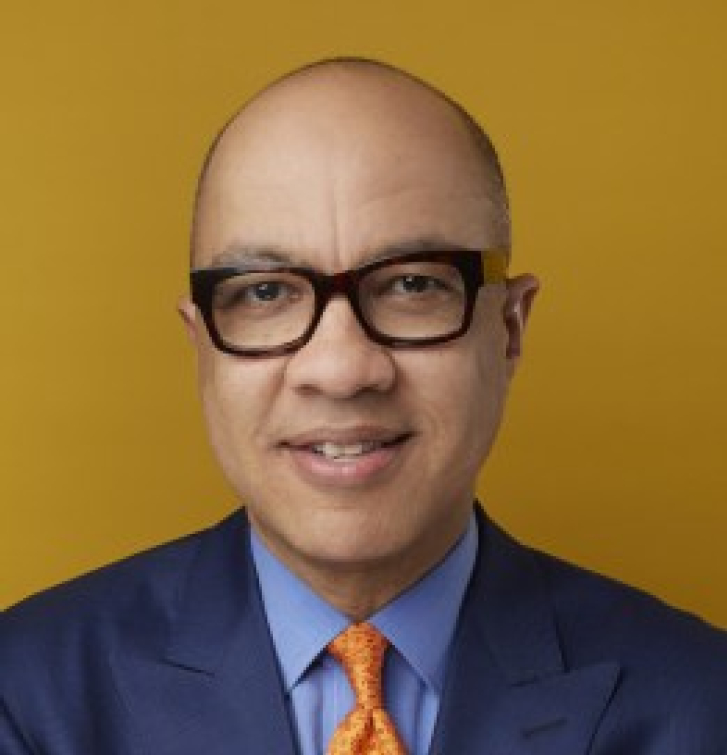
Ford Foundation president Darren Walker talks with SSIR senior editor Michael Slind about what organizations like his can do to address inequality.
Many microfinance impact investors are not monitoring the social components of the financial service providers (FSPs) they finance—but doing so can make a substantial difference to business success.
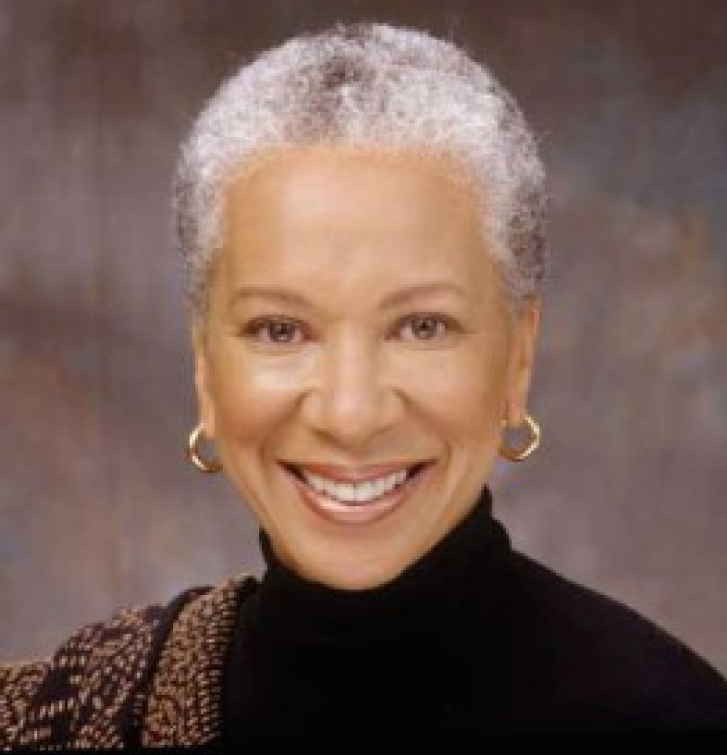
Blackwell, president and CEO of PolicyLink, talks with SSIR senior editor Michael Slind about the role of public policy in addressing inequality and creating a more prosperous society.
Care that links physical and mental health has proven to be economically and medically beneficial, but hard to implement sustainably. We can surmount these common roadblocks by emphasizing community collaboration and self-reliance.

Stanford economics professor Chetty talks with SSIR's Michael Slind about using data to understand the causes of inequality and identify potential solutions.

The White House, manufacturing, e-commerce, and nonprofits team up to get diapers to families in need.
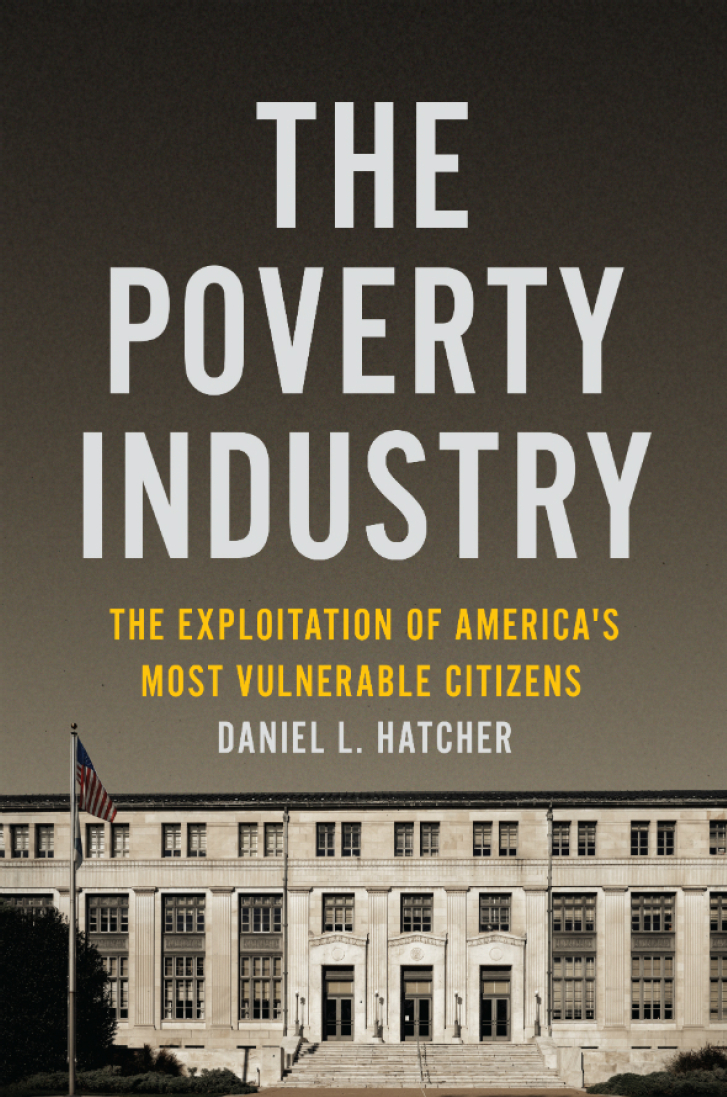
How social services agencies are squeezing revenue from the poor and vulnerable people they’re meant to serve.