Education
Why Universities Shouldn’t Teach Social Entrepreneurship
For true social change to happen, we must welcome social entrepreneurs from all backgrounds, but universities simply can’t do that in their current form.
Understanding why people are poor and innovative ways to alleviate poverty
For true social change to happen, we must welcome social entrepreneurs from all backgrounds, but universities simply can’t do that in their current form.
How technology and data can form the basis for common-sense, bi-partisan policy reforms amid new uncertainties.
As funders, providers, and advocates pivot to face a dramatically different funding and political environment, some lessons from history may be instructive.
A new book makes a strong case for connecting healthcare to neighborhoods, but it could focus more on the role of race and ethnicity.
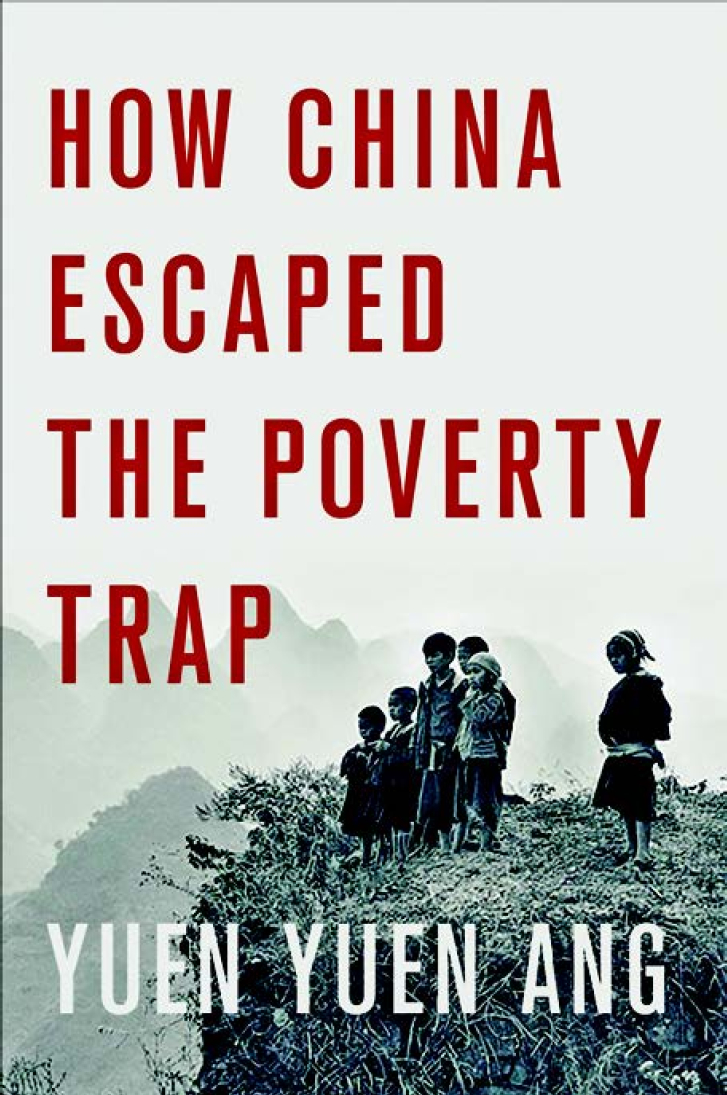
It can be tempting to overgeneralize about patterns in China’s economic development—even for scholars who acknowledge the country’s great diversity.
Innovations will need to address inequity and embrace a broader range of skills than most schools currently teach.
There’s a set of common questions every direct-service nonprofit should answer to maximize learning, action, and impact.
Yale economics professor Karlan talks with SSIR's Michael Slind about how to fight poverty and advance economic inclusion.
Ideas to help address the challenges of providing better care to low-income elders.
Stanford education professor Reardon talks with SSIR's Michael Slind about the role of socio-economic inequality in educational achievement gaps.