Philanthropy & Funding
France’s ‘Soft Loan’ Model Paves Way for Recoverable Grants in US
A French financing tool that enables private investors to help nonprofits scale could offer a roadmap to define recoverable grants in the United States.

A French financing tool that enables private investors to help nonprofits scale could offer a roadmap to define recoverable grants in the United States.

During the Industrial Revolution, labor organizations, social movements, the media, and government came together to rein in big business, providing lessons on how to regulate firms of today like Facebook, Amazon, and Google, writes SSIR's editor-in-chief in an introduction to the Summer 2019 issue.

When fewer Americans than ever believe government is meeting their needs, a new approach that elevates the voices of citizens is long overdue. User-centered design holds great promise in a well-defined set of circumstances.

The European Commission’s new plan for sustainable finance makes important strides toward connecting the financial industry with social and environmental goals, but social innovators should weigh in.

After the 1986 Chernobyl disaster, the “energy rebels” of Schönau, Germany, launched a grassroots revolution in the Black Forest to take control of their community’s power.
How the social sector can lead the way to ethical and responsible data use.
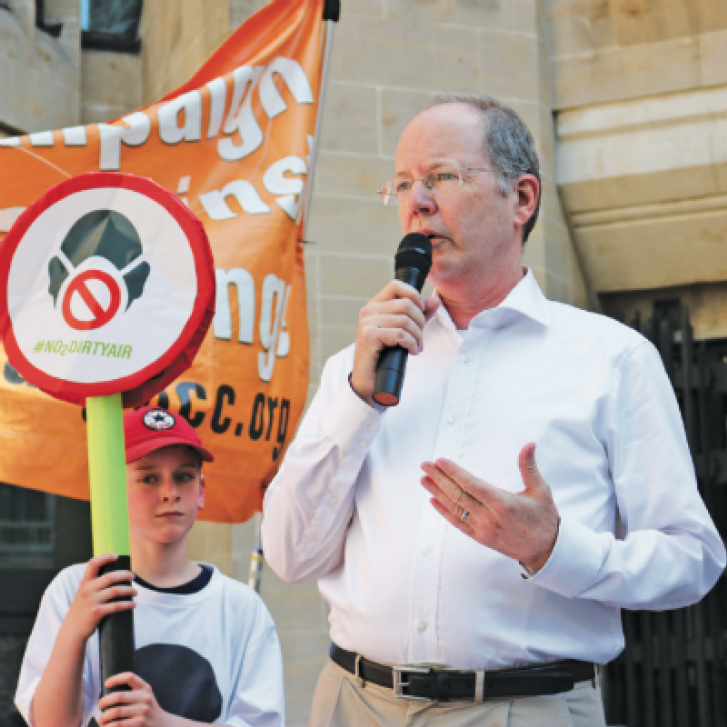
ClientEarth has taken a US-style legal strategy of protecting the environment across the Atlantic and found surprising success.

It is time to give US women the convenience and autonomy of birth control and abortion pills that women elsewhere enjoy.

A collection of our articles highlighting environmental issues and climate change innovation.

The Energy Foundation used a two-pronged strategy of engaging policy makers and grassroots activists to sell green electricity.