


Philanthropy & Funding
Beyond USAID
With the downfall of traditional government aid, local organizations around the world need infrastructure connecting them to private funding sources while protecting their missions.

With the downfall of traditional government aid, local organizations around the world need infrastructure connecting them to private funding sources while protecting their missions.
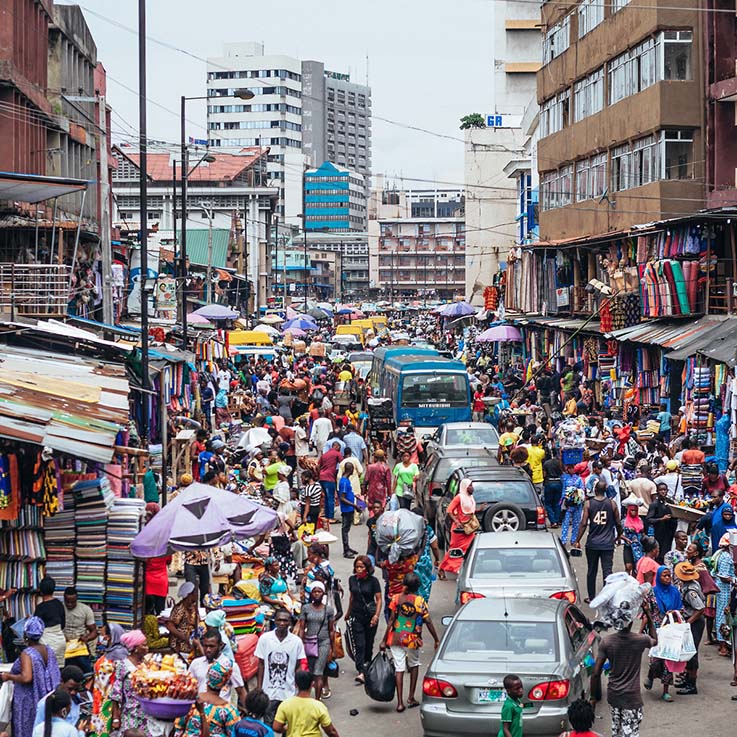
The current paradigm of viewing impact in isolation from the systems surrounding investments is not sustainable. Applying a systems lens helps investors make better decisions related to sourcing, management, and measurement that lead to lasting positive impact.
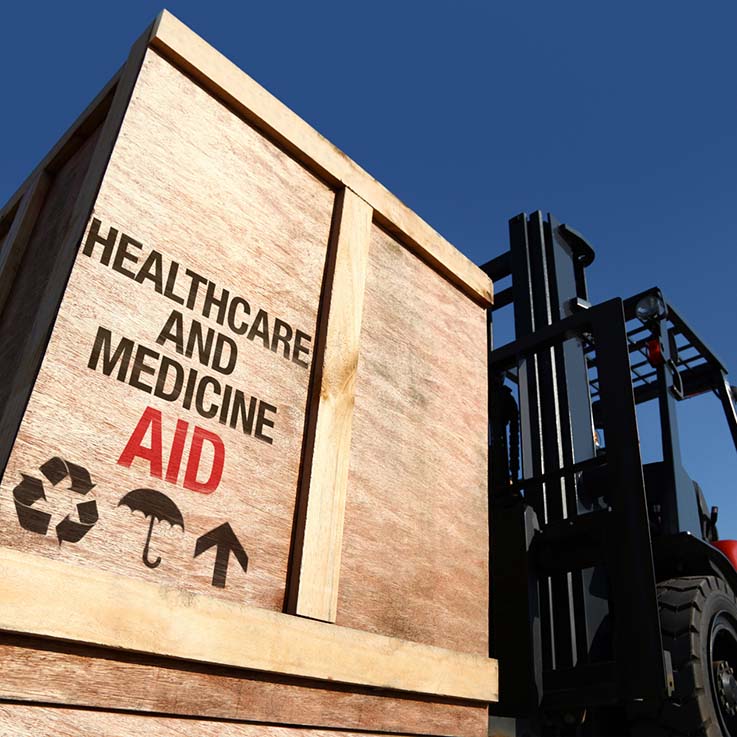

A key factor preventing impact investing from reaching its maximum potential is the absence of robust monitoring and learning processes anchored in systems change principles.

Despite a notoriously innovation-adverse environment in UN organizations overall, a growing body of success stories are changing lives and contributing to continuous organizational learning.

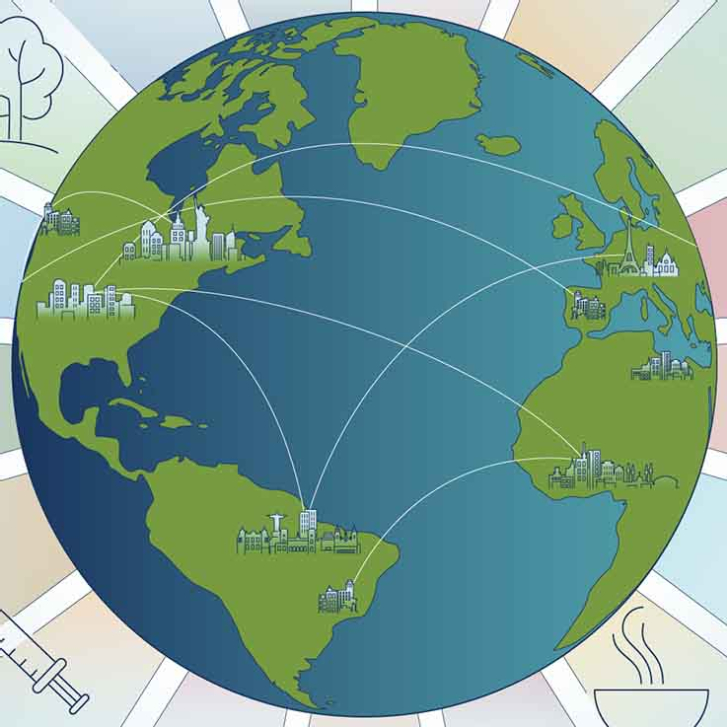
Learning from global peers and using the sustainable development goals as a framework for measuring progress, US cities are accelerating solutions to social problems.
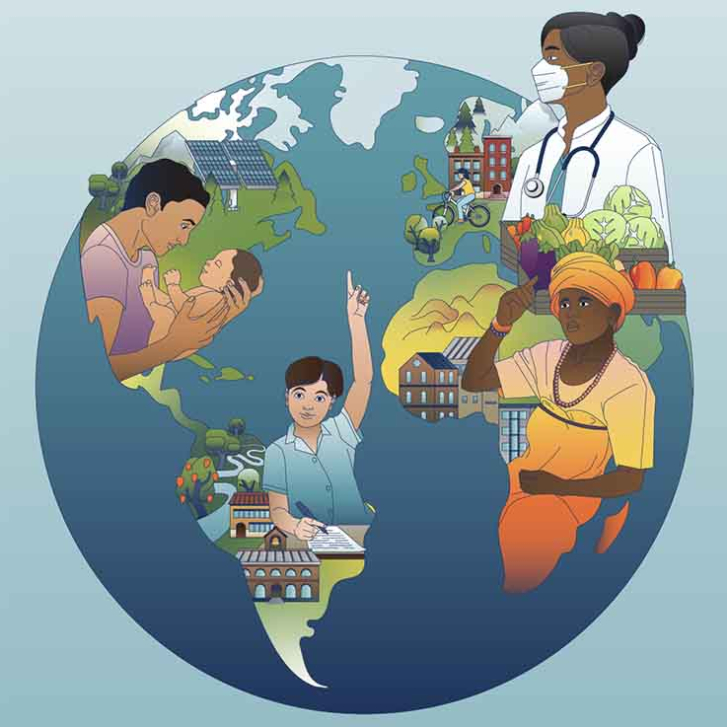
Too many global health crises play out in silos on every continent, but there is much to learn across borders about creating better health and well-being in communities.

The fashion industry could decrease its environmental impact by shifting its sources of revenue from material and energy to labor.
Collaboration is an essential driver for discovering and scaling innovative approaches that can move the fashion industry toward circularity.
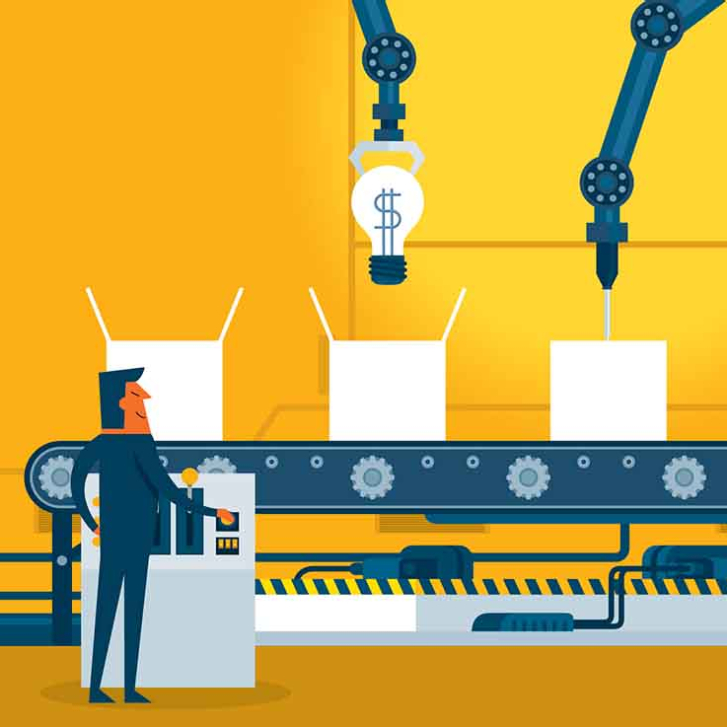
The pursuit of better social outcomes, not new products, should drive the international development community’s approach to innovative finance.