


sponsored
Reflecting on Equity: What Does It Mean to Love ‘All’?
Part 1 of a three-part special report on a series of convenings hosted by SSIR and PolicyLink

Part 1 of a three-part special report on a series of convenings hosted by SSIR and PolicyLink

In response to a July 16 article about improving organizations' DEI efforts by reimagining the roles of mentor and mentee, SSIR reader Yen Ooi wrote that “calling it 'reverse mentoring' might set out the wrong impression in the relationship to start with.” What do you think? This is the final of 10 articles in a special DEI series.

DEI efforts should develop and maximize the potential impact of this important but often overlooked position. This is the ninth of 10 articles in a special series about diversity, equity, and inclusion.

In order to change the odds for marginalized children, social organizations must root their racial equity work in a commitment to learn from and be led by those who have experienced inequity themselves. This is the eighth of 10 articles in a special series about diversity, equity, and inclusion.

Lessons on racial equity underscore the need to set explicit aims, build coalitions, and flatten hierarchies in order to strengthen healthcare’s role in undoing systems of oppression. This is the seventh of 10 articles in a special series about diversity, equity, and inclusion.


DEI efforts need to account for hegemony, marginalization, and the creation of sustainable shifts in power. This is the second of 10 articles in a special series about diversity, equity, and inclusion.
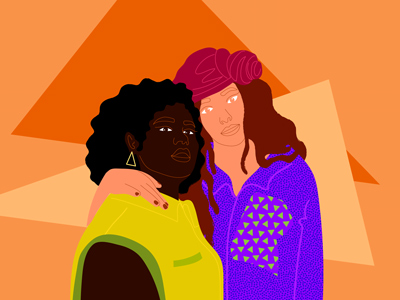
Three insights offer organizations opportunities to cultivate durable solutions to the underlying causes of racial inequity. This is the first of 10 articles in a special series about diversity, equity, and inclusion.
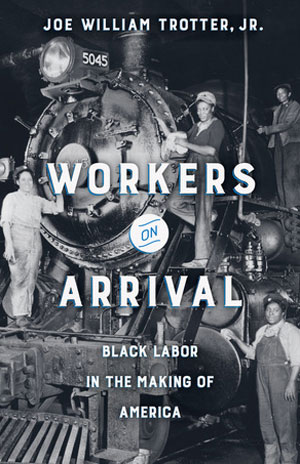
An excerpt from Workers on Arrival: Black Labor in the Making of America reflects on the meaning of centuries of black labor for the future of America’s economy and democracy.

For real systems change, philanthropy must make greater investments in organizations led by the communities most affected by injustice.