


Strategies for Combatting Abortion Disinformation in the Post-Roe Era
A guide for communicators and advocates to help stop the spread of disinformation that’s proliferating after the Supreme Court’s decision to overturn Roe v. Wade.

A guide for communicators and advocates to help stop the spread of disinformation that’s proliferating after the Supreme Court’s decision to overturn Roe v. Wade.

How the overturning of Roe v. Wade will affect fundraising and strategy for organizations—whether they provide abortion care or not.

Nonprofits and funders can go too far in pointing fingers at their own shortcomings. The reality is that they are playing on an uneven psychological field.

To do as much good as possible with limited resources, funders should look to woefully underfunded protest movements.
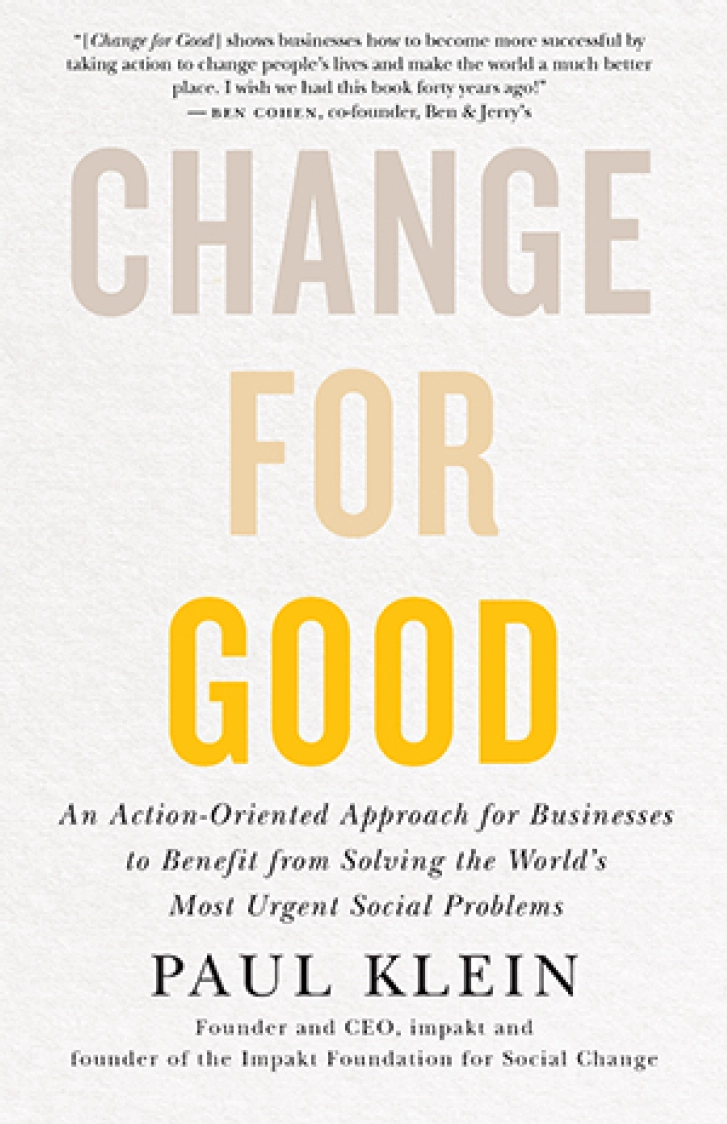
An excerpt from Change for Good on how businesses can shift from social responsibility to social change.


Professionalism has become coded language for white favoritism in workplace practices that more often than not leave behind people of color. This is the fourth of 10 articles in a special series about diversity, equity, and inclusion.

Five principles based in social science that will help organizations connect their work to what people care most about.

Conventional wisdom says that scaling social innovation starts with strengthening internal management capabilities. This study of 12 high-impact nonprofits, however, shows that real social change happens when organizations go outside their own walls and find creative ways to enlist the help of others.

It’s time for activists and organizations to adopt a more strategic approach to public interest communications.

Since 1970, more than 200,000 nonprofits have opened in the U.S., but only 144 have reached $50 million in annual revenue. They got big by doing two things: They raised the bulk of their money from a single type of funder. And just as importantly, these nonprofits created professional organizations that were tailored to the needs of their primary funding sources.