The Fight to End Cash Bail
The Bail Project began as a simple idea by Bronx public defenders to set up a fund to protect their clients from the ravages of an unfair system. Now their advocacy is part of a vanguard to overhaul US criminal justice.
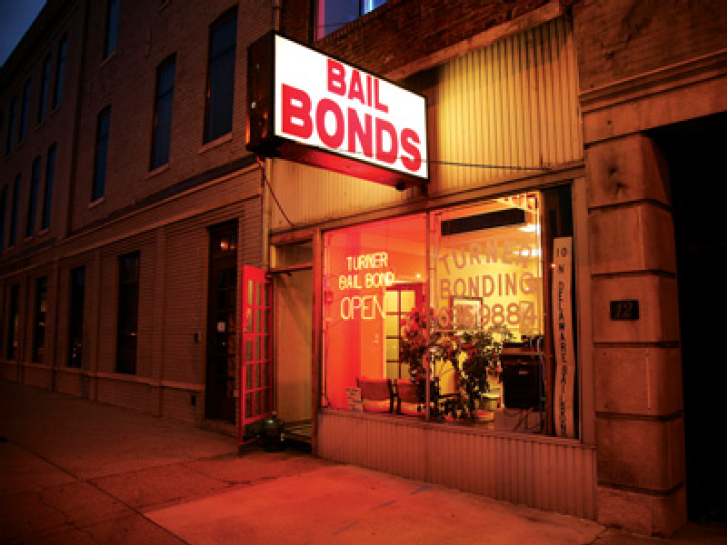
The Bail Project began as a simple idea by Bronx public defenders to set up a fund to protect their clients from the ravages of an unfair system. Now their advocacy is part of a vanguard to overhaul US criminal justice.

Sustainable enterprise is increasingly relying on artful thinking and Eastern philosophy to innovate Western business models for global practice.
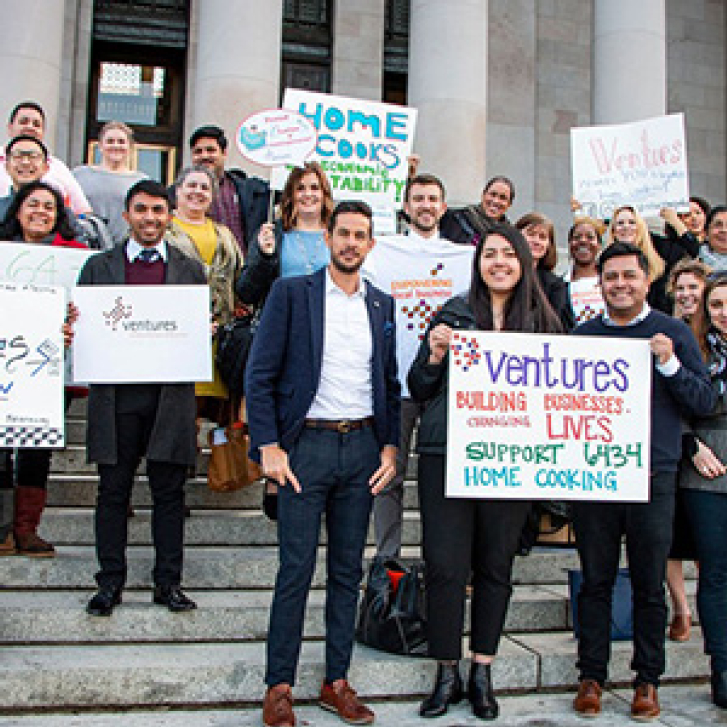
Seattle-based microenterprise nonprofit Ventures shares advice to help other organizations design sustainable, effective grassroots advocacy programs.

The best way to increase clean energy production and phase out fossil fuels may be to shift the narrative from climate change to messages that reflect people’s deeply held values, particularly those related to better health.
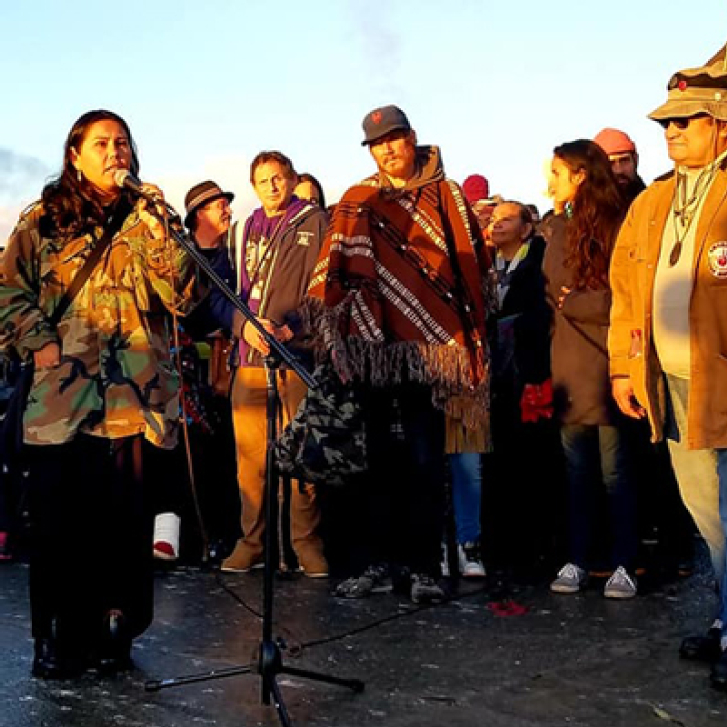
How funders can support bold, emerging leaders and their cutting-edge ideas.


Professionalism has become coded language for white favoritism in workplace practices that more often than not leave behind people of color. This is the fourth of 10 articles in a special series about diversity, equity, and inclusion.

Five principles based in social science that will help organizations connect their work to what people care most about.

Conventional wisdom says that scaling social innovation starts with strengthening internal management capabilities. This study of 12 high-impact nonprofits, however, shows that real social change happens when organizations go outside their own walls and find creative ways to enlist the help of others.

It’s time for activists and organizations to adopt a more strategic approach to public interest communications.

Since 1970, more than 200,000 nonprofits have opened in the U.S., but only 144 have reached $50 million in annual revenue. They got big by doing two things: They raised the bulk of their money from a single type of funder. And just as importantly, these nonprofits created professional organizations that were tailored to the needs of their primary funding sources.