


Solving Social Media’s ‘Local Paradox’
Local social networks are often filled with just as much misinformation, racism, and toxicity as global platforms, with effects that can be even more severe.

Local social networks are often filled with just as much misinformation, racism, and toxicity as global platforms, with effects that can be even more severe.
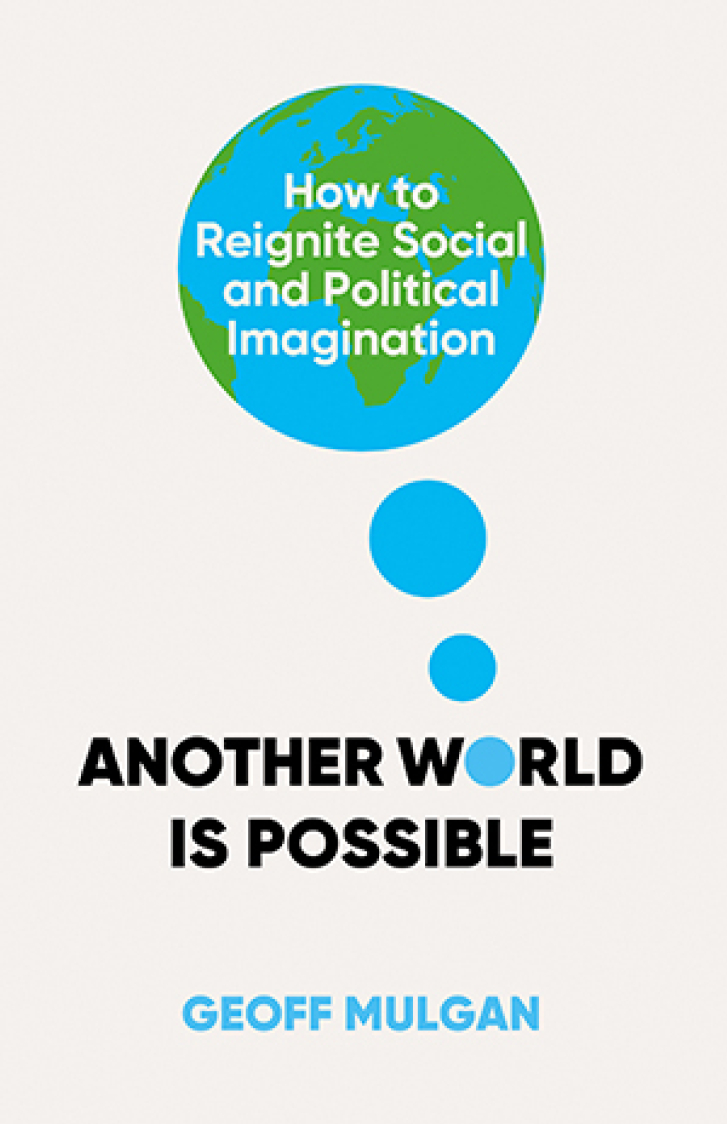
An excerpt from Another World Is Possible on methods for improving our social imagination.
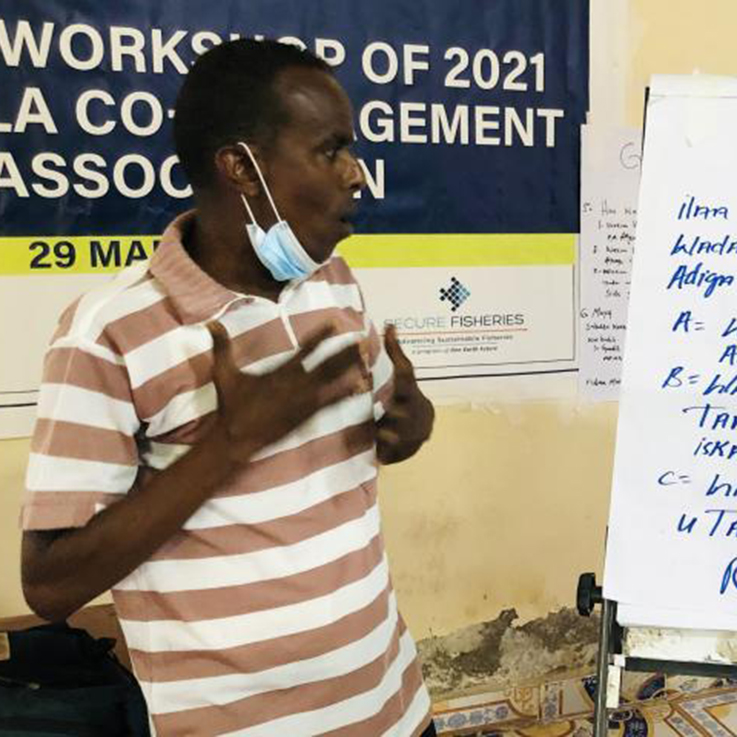
How our brains undermine long-term thinking, and what social impact organizations can do about it.
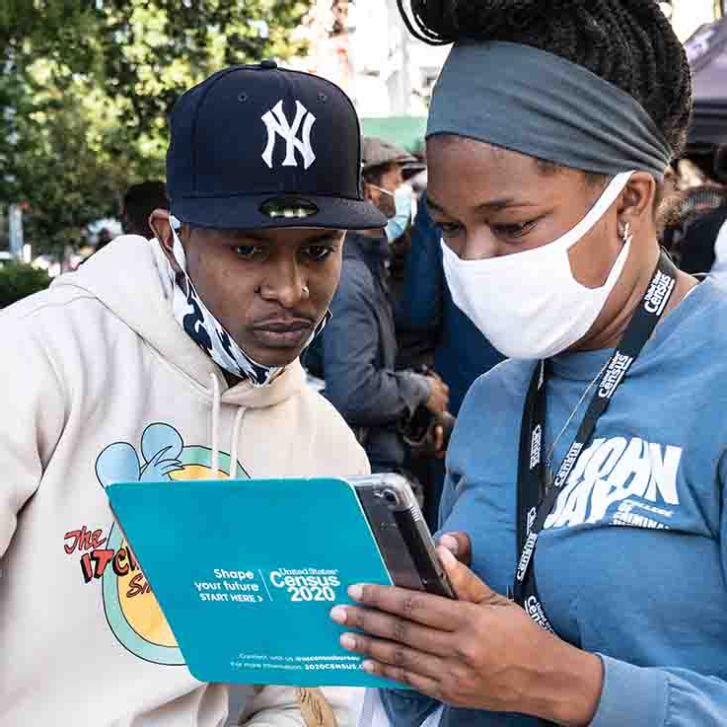
A collaborative of foundations and nonprofits took action to mitigate the harms resulting from a series of unfortunate and nefarious events that jeopardized the accuracy of the latest census. Here’s how they did it—and how their lessons can now be used in service of the next decennial.

Plato’s Academy Centre aims to make ancient philosophy accessible and easily digestible to the public.


Laws and programs designed to benefit vulnerable groups, such as the disabled or people of color, often end up benefiting all of society.

It’s time for activists and organizations to adopt a more strategic approach to public interest communications.

To do as much good as possible with limited resources, funders should look to woefully underfunded protest movements.

In adopting data-driven practices, leaders must design and implement programs in ways that engage community members directly in the work of social change.

A look at how Switzerland radically and successfully changed its approach to drug policy following a heroin epidemic in the late 1980s and 90s, and what the effort teaches us about the social innovation process.