


How San Francisco Became a ‘Silicon City’
Cary McClelland's new book, Silicon City, documents the transformation of San Francisco in the digital age.

Cary McClelland's new book, Silicon City, documents the transformation of San Francisco in the digital age.

No single organization or individual can pull off an effective storytelling campaign alone. Reaping the benefits of storytelling requires that we build better partnerships between three important players.
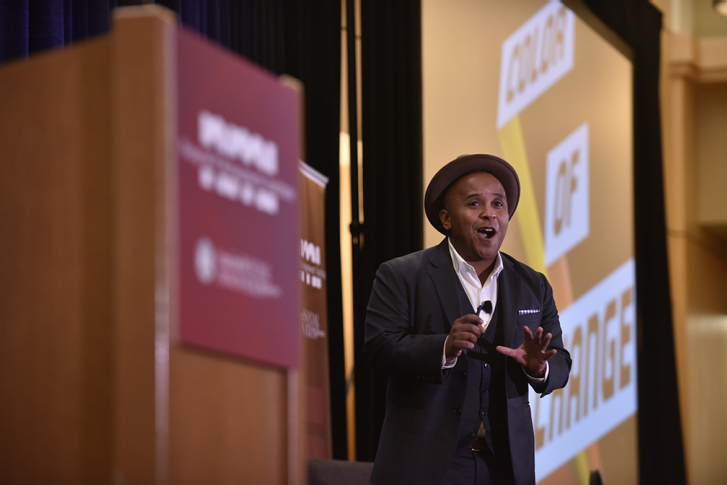
Rashad Robinson, president of Color of Change, speaks about the nature of political and cultural power and the importance of continually assessing the nonprofit sector's efforts to bring about change.

Input from Boston residents changed Union Capital Boston’s rewards program from providing specific material goods to distributing cash in exchange for doing volunteer activities. It also drove the creation of networking events for members. Part of a series produced for SSIR with the support of the Hewlett Foundation.
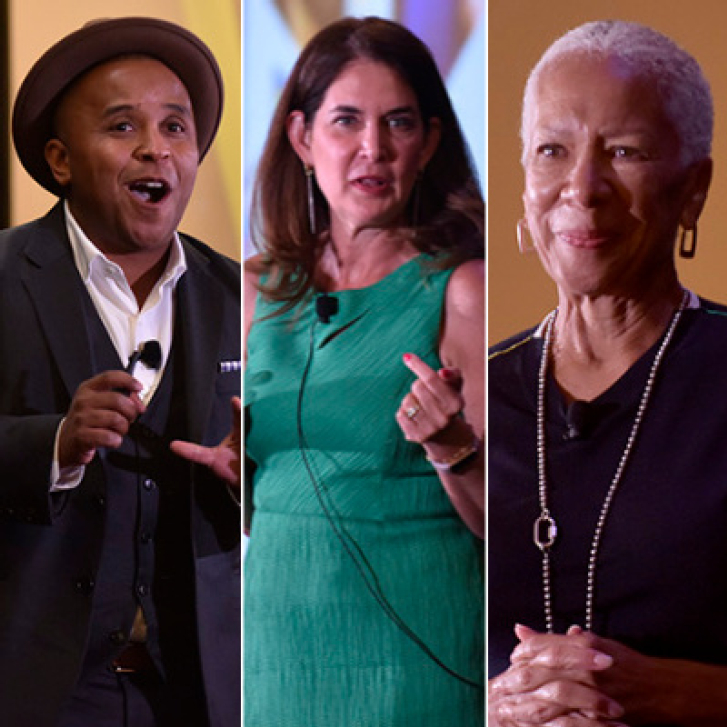
At SSIR's 2018 Nonprofit Management Institute, civil society leaders shared insight and inspiration for increasing diversity, equity, and inclusion during an era when divisiveness runs through much of the public discourse.


Laws and programs designed to benefit vulnerable groups, such as the disabled or people of color, often end up benefiting all of society.

It’s time for activists and organizations to adopt a more strategic approach to public interest communications.

To do as much good as possible with limited resources, funders should look to woefully underfunded protest movements.

In adopting data-driven practices, leaders must design and implement programs in ways that engage community members directly in the work of social change.

A look at how Switzerland radically and successfully changed its approach to drug policy following a heroin epidemic in the late 1980s and 90s, and what the effort teaches us about the social innovation process.