


Bridging the Divide Between Idealism and Pragmatism
Funders and advocates must come together to build movements that can run successful and successive campaigns that result in good policy and grassroots power.
Funders and advocates must come together to build movements that can run successful and successive campaigns that result in good policy and grassroots power.

How can we transform the university research enterprise to enhance its social impact?

In New Power, Jeremy Heimans and Henry Timms argue that power and influence are being driven by a new participatory and peer-driven paradigm.
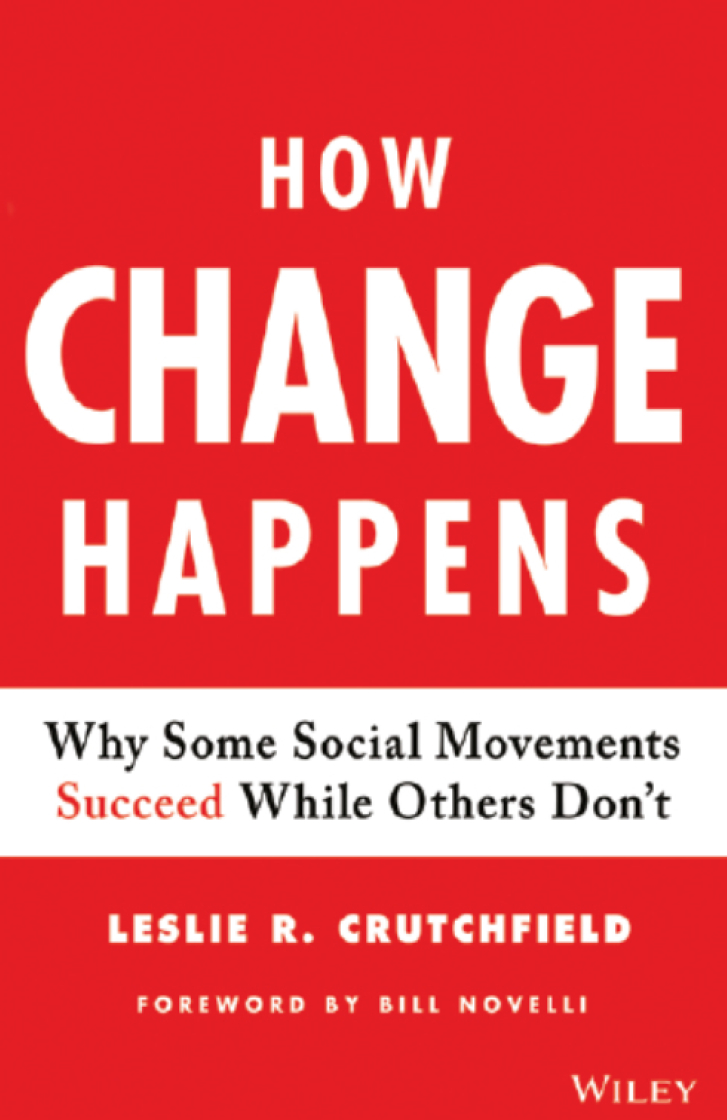
The road to social change begins with personal connection and human emotion, Leslie Crutchfield writes in How Change Happens.

The youth movement against gun violence in America opens doors to a more constructive narrative that advances both gun violence prevention and the promotion of mental health.


Laws and programs designed to benefit vulnerable groups, such as the disabled or people of color, often end up benefiting all of society.

It’s time for activists and organizations to adopt a more strategic approach to public interest communications.

To do as much good as possible with limited resources, funders should look to woefully underfunded protest movements.

In adopting data-driven practices, leaders must design and implement programs in ways that engage community members directly in the work of social change.

A look at how Switzerland radically and successfully changed its approach to drug policy following a heroin epidemic in the late 1980s and 90s, and what the effort teaches us about the social innovation process.