The People’s Budget
Participatory budgeting, which enables citizens to decide how to spend public funds, is building a more empowering model of democracy.
Participatory budgeting, which enables citizens to decide how to spend public funds, is building a more empowering model of democracy.
Lessons from the voter turnout series, a collaboration between the Hewlett Foundation and SSIR.

A recent get-out-the-vote experiment shows that turnout in primaries can be cost-effectively enlarged and broadened by targeting voters who only vote in general elections and who are often ignored by campaigns.

Building on a quarter century of get-out-the-vote efforts, MTV’s 2016 “Elect This” campaign will encourage young people to vote in support of the polices that inspire them, rather than the political system that doesn’t.
Higher voter turnout in those primaries would help prevent polarization and encourage a well-functioning legislature.


Laws and programs designed to benefit vulnerable groups, such as the disabled or people of color, often end up benefiting all of society.

It’s time for activists and organizations to adopt a more strategic approach to public interest communications.
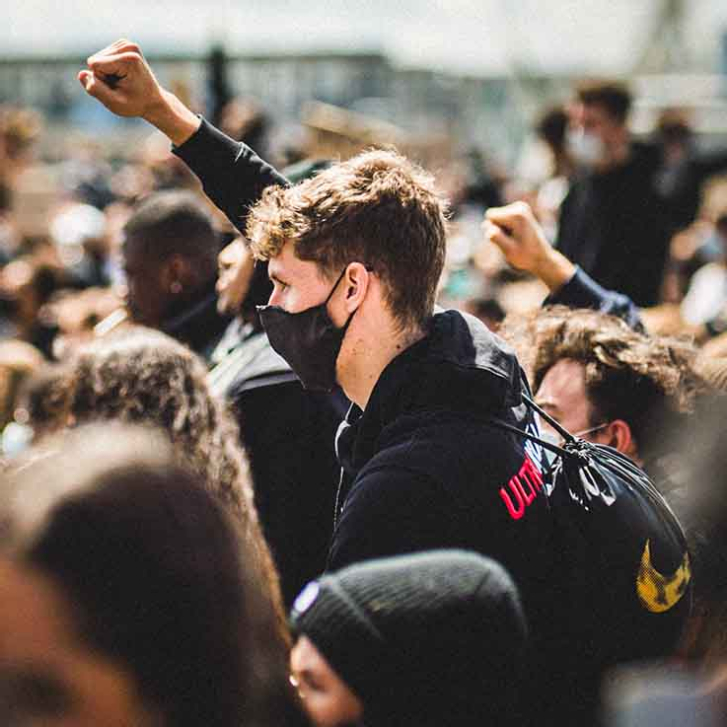
To do as much good as possible with limited resources, funders should look to woefully underfunded protest movements.

In adopting data-driven practices, leaders must design and implement programs in ways that engage community members directly in the work of social change.

A look at how Switzerland radically and successfully changed its approach to drug policy following a heroin epidemic in the late 1980s and 90s, and what the effort teaches us about the social innovation process.