When Everyone Is an Expert
In an era of instant feedback and crowdsourcing, the government misses out when it relies solely on authorized voices.
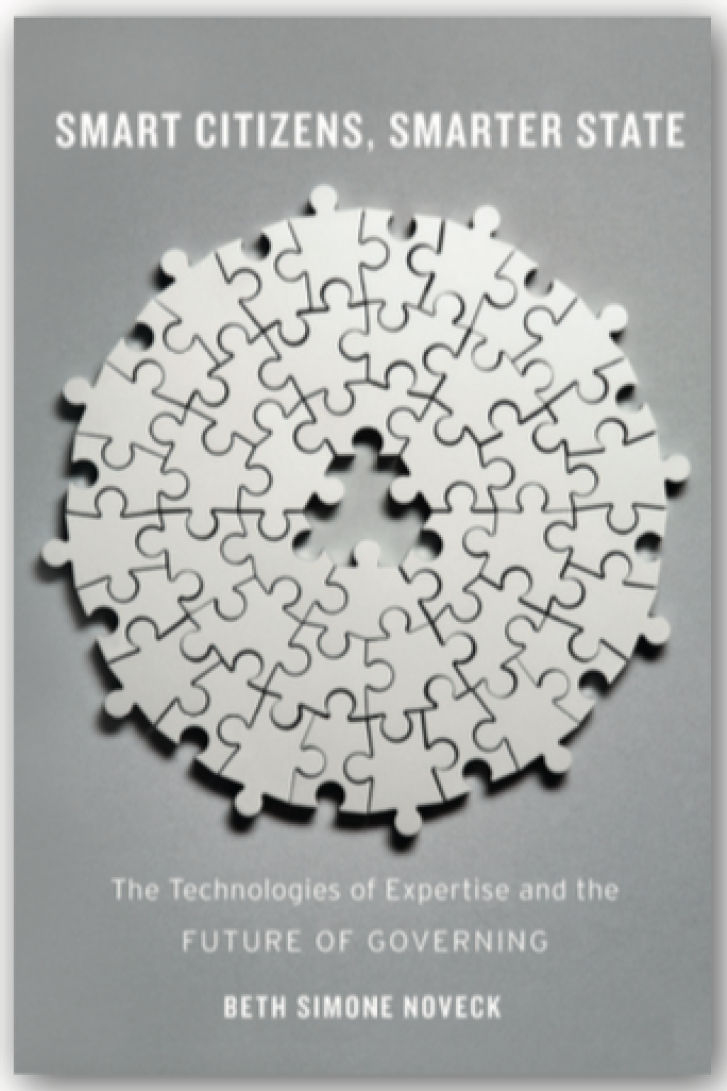
In an era of instant feedback and crowdsourcing, the government misses out when it relies solely on authorized voices.
IDEO brings a human-centered design lens to voting in Los Angeles County—and finds compelling opportunities to increase participation nationally.
To increase voter turnout, other approaches are needed—ones intended not to inflame passions about what may be at stake in a particular election but instead to connect more voters to the process of voting and to the value of participating in our democracy.
To the surprise of many, making the act of voting easier hasn’t actually led to higher voter turnout. To increase turnout, we need to get more people interested in politics.
Changing from winner-take-all single member districts, which limit voters' choices and races' competitiveness, to a multi-party system could significantly increase voter turnout.


Laws and programs designed to benefit vulnerable groups, such as the disabled or people of color, often end up benefiting all of society.

It’s time for activists and organizations to adopt a more strategic approach to public interest communications.
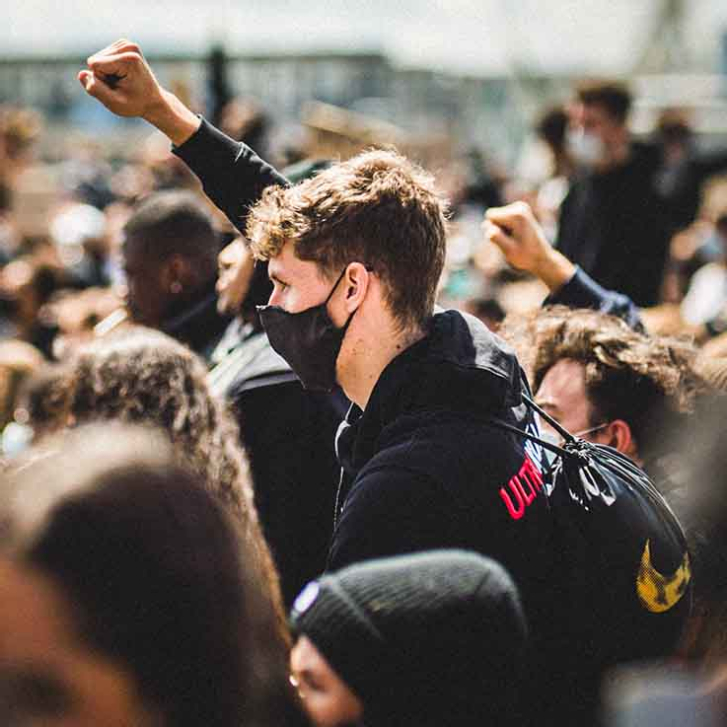
To do as much good as possible with limited resources, funders should look to woefully underfunded protest movements.

In adopting data-driven practices, leaders must design and implement programs in ways that engage community members directly in the work of social change.

A look at how Switzerland radically and successfully changed its approach to drug policy following a heroin epidemic in the late 1980s and 90s, and what the effort teaches us about the social innovation process.