Just Instincts
The Fair Society: The Science of Human Nature and the Pursuit of Social Justice by Peter Corning
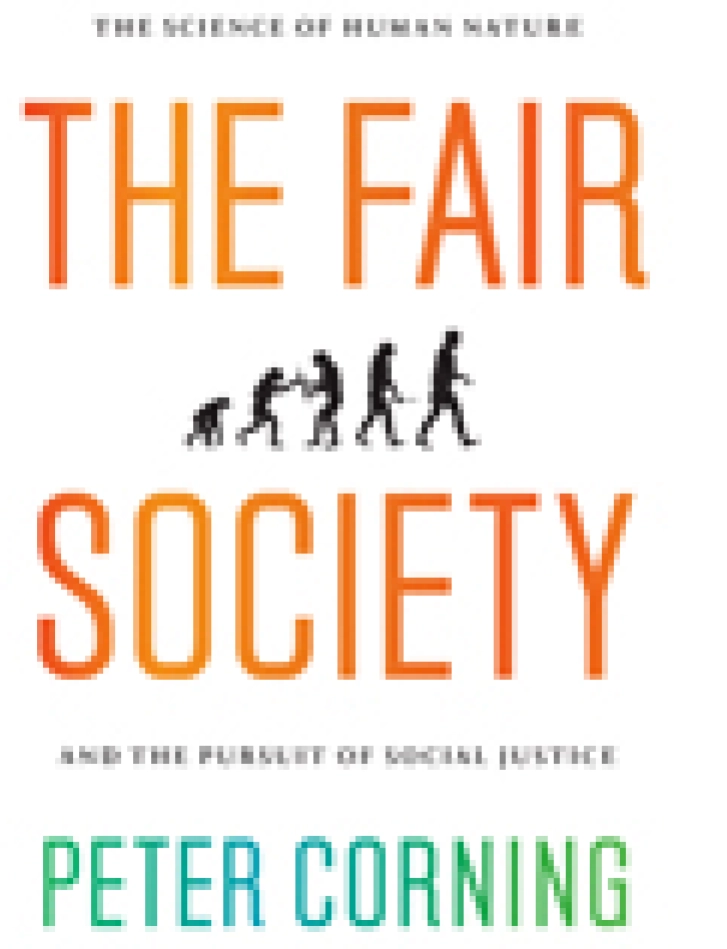
The Fair Society: The Science of Human Nature and the Pursuit of Social Justice by Peter Corning
According to a new analysis, most of the world’s poor no longer live in the poorest countries.
A European perspective on American civil society. A quick glance at the latest
thinking about not-for-profit management and philanthropy
reveals some profound differences between the ways American and
European practitioners look at today’s major societal challenges.
The problem with “changing the world” is that it probably involves invoking impossibly superficial means to address oversimplified problems.
I hope that as long as there is poverty in our country, there will be a Cincinnati Works’ model that can help families escape poverty.


Nonprofits benefit when they carefully plan an extended role for founders who step down. Open access to this article is made possible by The Bridgespan Group.
From the archives: American charity shortchanges the poor, and public policy is partly to blame.
Lending circles, self-help groups, and study circles are among the oldest and most effective tools for creating personal and social change.

Voluntary carbon offsets allow people to invest in projects that allegedly counteract their greenhouse gas emissions. But can voluntary offsets help slow global warming? Or are offsets a way for consumers to buy their way out of bad feelings?
A new report examines the relationship between place and race, and disconnected youth in the United States.