sponsored
Social Innovation and Resilience: How One Enhances the Other
Social innovations must take into account the complexity of social problems and foster solutions resilient enough to adapt and survive.

Social innovations must take into account the complexity of social problems and foster solutions resilient enough to adapt and survive.

Ai-jen Poo, cofounder and director of the National Domestic Workers Alliance and 2014 McArthur genius grant recipient, is building a movement to improve the lives of 2.5 million US home care workers.
The Liberty Hill Foundation concentrates on helping community activists create lasting change in Los Angeles.

A community-based program in rural Kentucky uses face-to-face social networks to promote wellness.
Protest movements don't emerge merely because people have something to protest. Many other factors come into play.

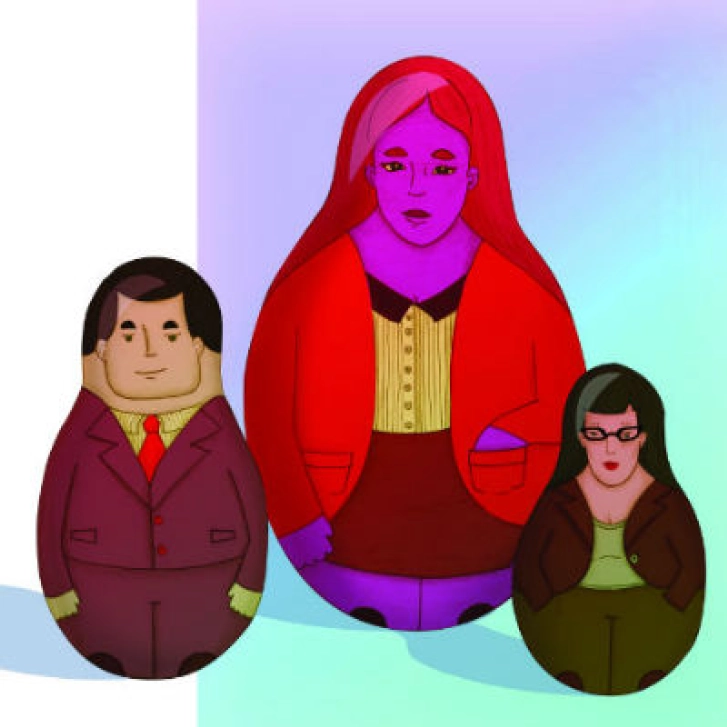
Nonprofits benefit when they carefully plan an extended role for founders who step down. Open access to this article is made possible by The Bridgespan Group.
From the archives: American charity shortchanges the poor, and public policy is partly to blame.

Lending circles, self-help groups, and study circles are among the oldest and most effective tools for creating personal and social change.

Voluntary carbon offsets allow people to invest in projects that allegedly counteract their greenhouse gas emissions. But can voluntary offsets help slow global warming? Or are offsets a way for consumers to buy their way out of bad feelings?
A new report examines the relationship between place and race, and disconnected youth in the United States.