Using Design Thinking to Tackle Climate Change When ‘What You Know No Longer Works’
As climate change creates new ambiguity problems for farmers, communities need to better understand and assess their own environments.
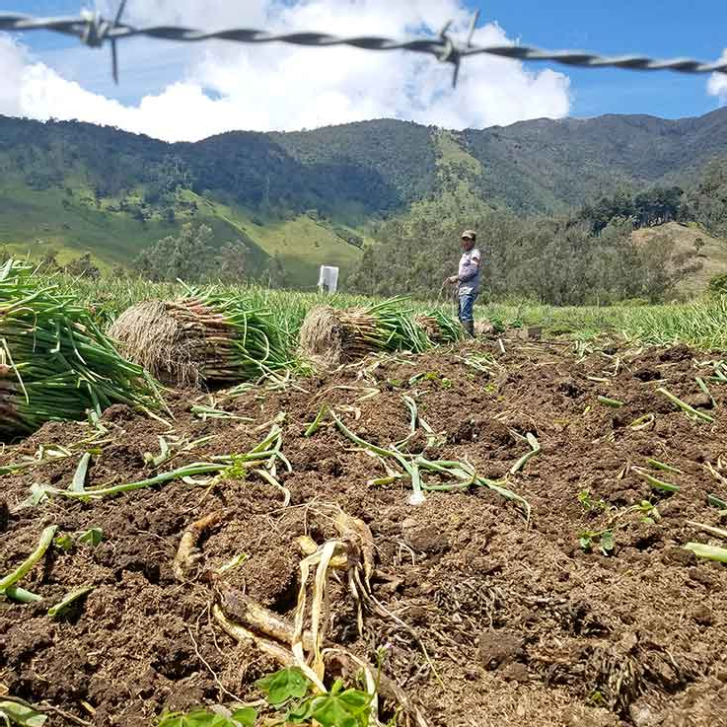
As climate change creates new ambiguity problems for farmers, communities need to better understand and assess their own environments.
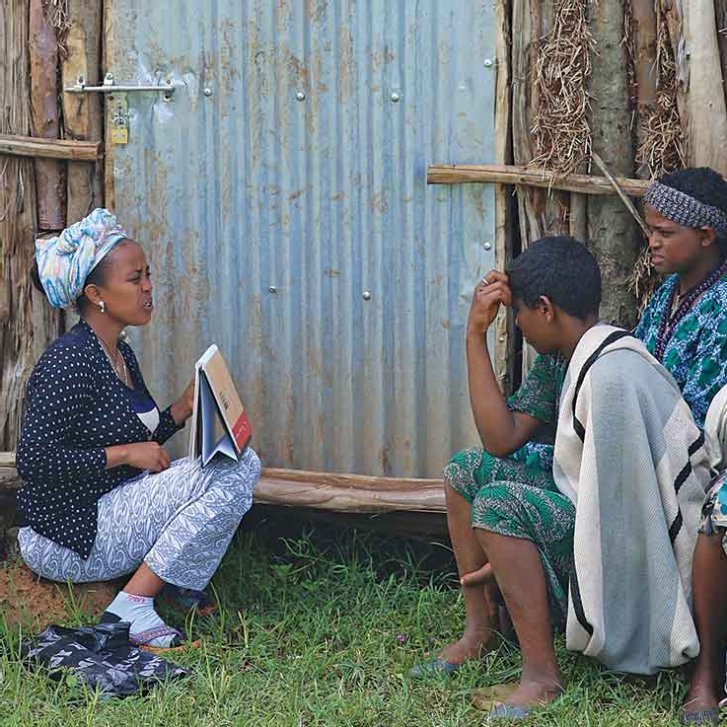
To address more complex social challenges, design thinking must become radically more collaborative and oriented toward systems change.

How the work of bringing voter registration kiosks into emergency rooms has become more urgent—and more difficult—during the COVID-19 pandemic, and also expanded in scope. Part of a series on civil society's response to the pandemic.
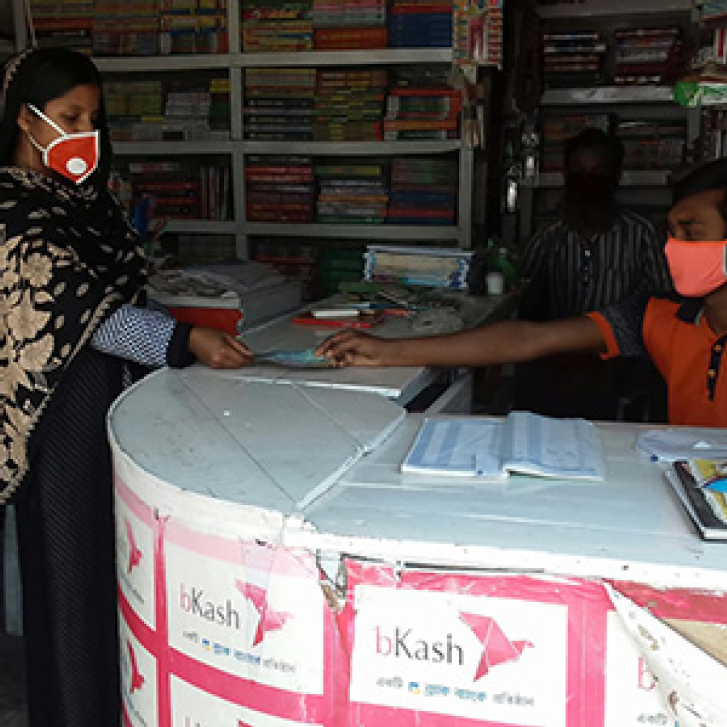
Five lessons from a global development organization in Bangladesh that used a digital cash transfer program to help poor families struggling with COVID-19. Part of a series on civil society's response to the pandemic.
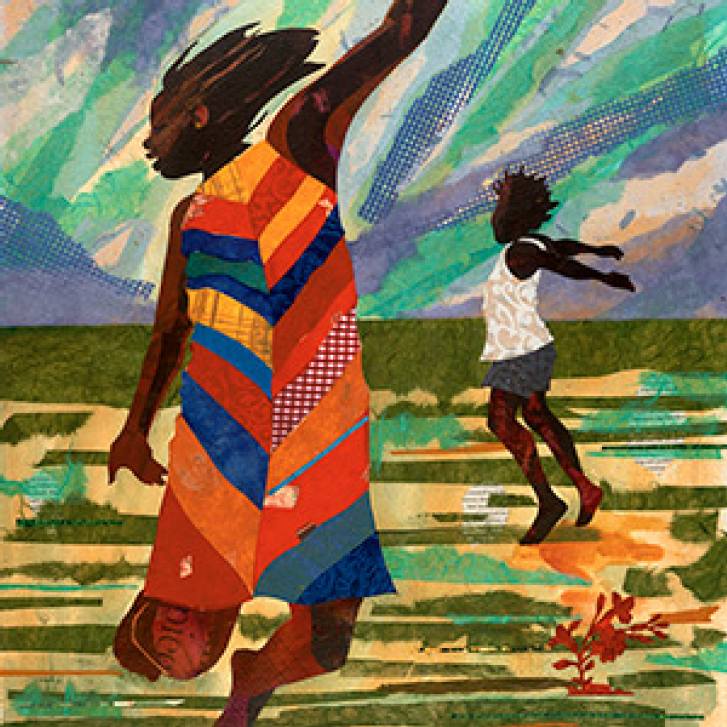
COVID-19 and the horrific murders of George Floyd and other black Americans have amplified the desperate need for the US justice system to be radically reimagined.


By working closely with the clients and consumers, design thinking allows high-impact solutions to social problems to bubble up from below rather than being imposed from the top.
Both human-centered and systems-thinking methods fit within an effective design approach, and can work in conjunction to address social challenges.
Design is a process especially suited to divergent thinking—the exploration of new choices and alternative solutions.

Principles and tactics for creating strategic convenings that foster meaningful interaction and outcomes.

An ethical framework can bridge the worlds of startup technology and international development to strengthen cross-sector innovation in the social sector.