Marrying Empathy and Science to Spread Impact
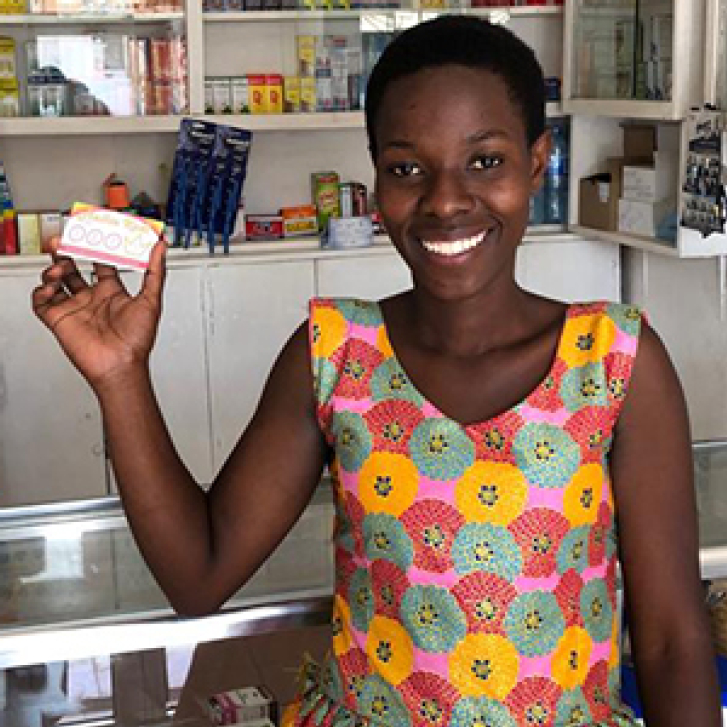
A public health innovation shows that innovators can accelerate the diffusion of products with social impact by pairing design thinking and behavioral science.
As human-centered design in global public health enters its adolescence, we offer a guide to help practitioners break through their misperceptions of people's needs to prescribe real solutions.
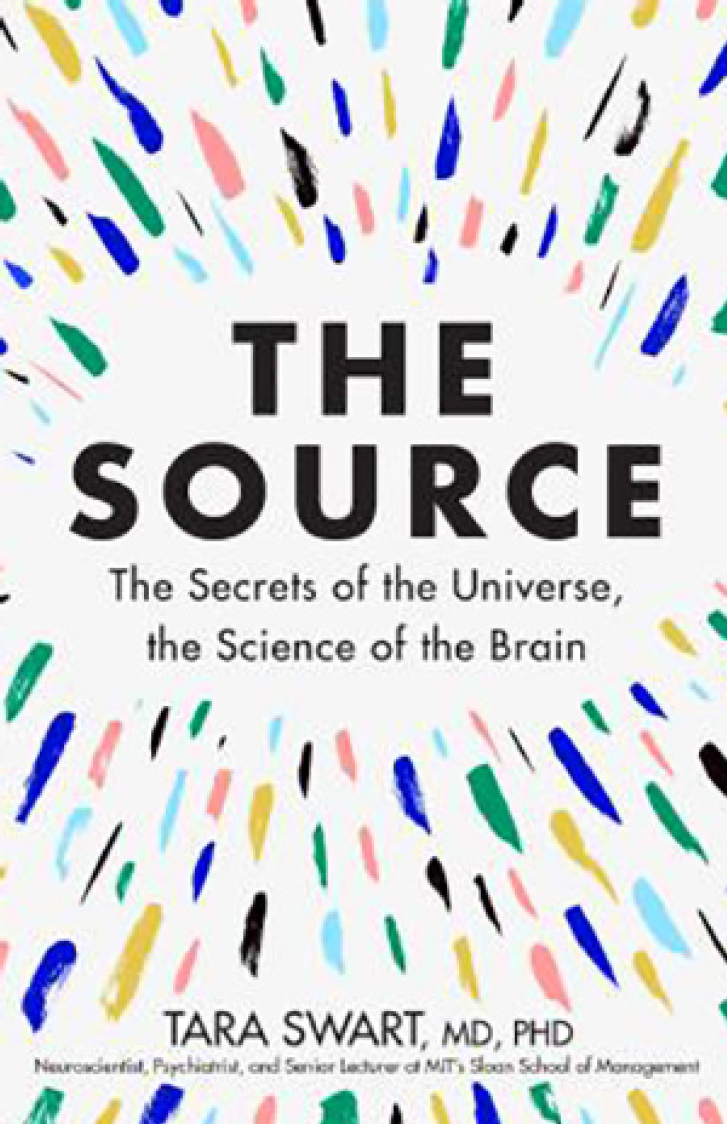
An excerpt from Tara Swart’s The Source explains how the brain’s ability to adapt can allow for better decision-making for social good.
An excerpt from Chasing Innovation explores how innovators can improve their entrepreneurial practices.
The digital app GoodSAM transforms emergency medical care through its crowdsourcing network of first responders.
By working closely with the clients and consumers, design thinking allows high-impact solutions to social problems to bubble up from below rather than being imposed from the top.
Both human-centered and systems-thinking methods fit within an effective design approach, and can work in conjunction to address social challenges.
Design is a process especially suited to divergent thinking—the exploration of new choices and alternative solutions.
Principles and tactics for creating strategic convenings that foster meaningful interaction and outcomes.
An ethical framework can bridge the worlds of startup technology and international development to strengthen cross-sector innovation in the social sector.