
An Operating Model to Make Social Innovation Stick
The former chief innovation officer at USAID outlines a way for social sector organizations and funders to build innovation into their DNA.
The former chief innovation officer at USAID outlines a way for social sector organizations and funders to build innovation into their DNA.
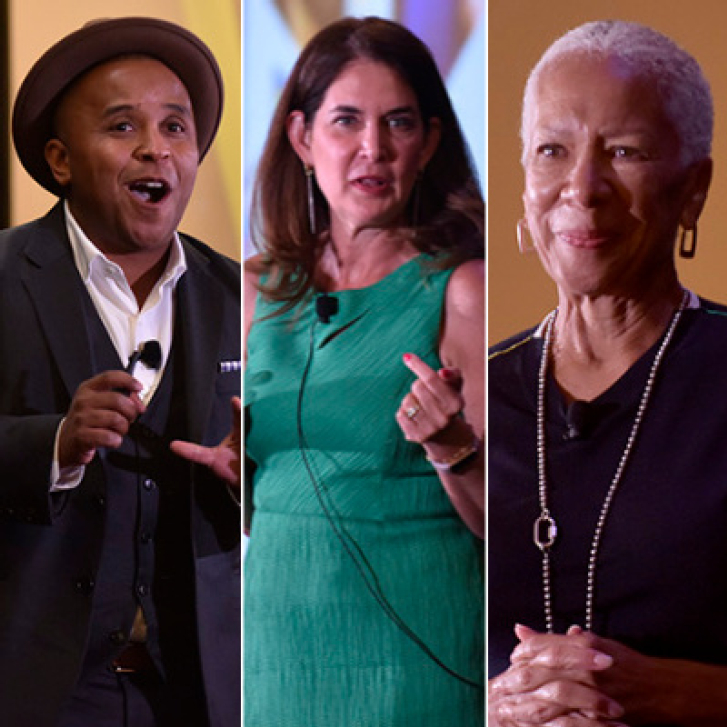
At SSIR's 2018 Nonprofit Management Institute, civil society leaders shared insight and inspiration for increasing diversity, equity, and inclusion during an era when divisiveness runs through much of the public discourse.

Most global development programs still segment people by demographics when trying to change their behavior. We must learn from the private sector and segment people based on the reasons behind their actions. Open access to this article is made possible by The Surgo Foundation.

Nonprofits must make careful choices about their digital infrastructure to ensure that it aligns with their mission.

Social media has made it easy for organizations to launch competitions, but too few consider how such efforts best align with their goals.


By working closely with the clients and consumers, design thinking allows high-impact solutions to social problems to bubble up from below rather than being imposed from the top.
Both human-centered and systems-thinking methods fit within an effective design approach, and can work in conjunction to address social challenges.
Design is a process especially suited to divergent thinking—the exploration of new choices and alternative solutions.

Principles and tactics for creating strategic convenings that foster meaningful interaction and outcomes.

An ethical framework can bridge the worlds of startup technology and international development to strengthen cross-sector innovation in the social sector.