
Human-Centered, Systems-Minded Design
Both human-centered and systems-thinking methods fit within an effective design approach, and can work in conjunction to address social challenges.
Both human-centered and systems-thinking methods fit within an effective design approach, and can work in conjunction to address social challenges.

Civic engagement efforts in the United States are becoming a renewed priority for nonprofits, but they can seem like a strain. Human-centered design can help.

To meet the challenges of a new era, universities should redesign their core functions while also creating capacities to reach emerging and underserved markets. Open access to this article is made possible by BYU-Pathway Worldwide & ASU's Center for Organization Research and Design.
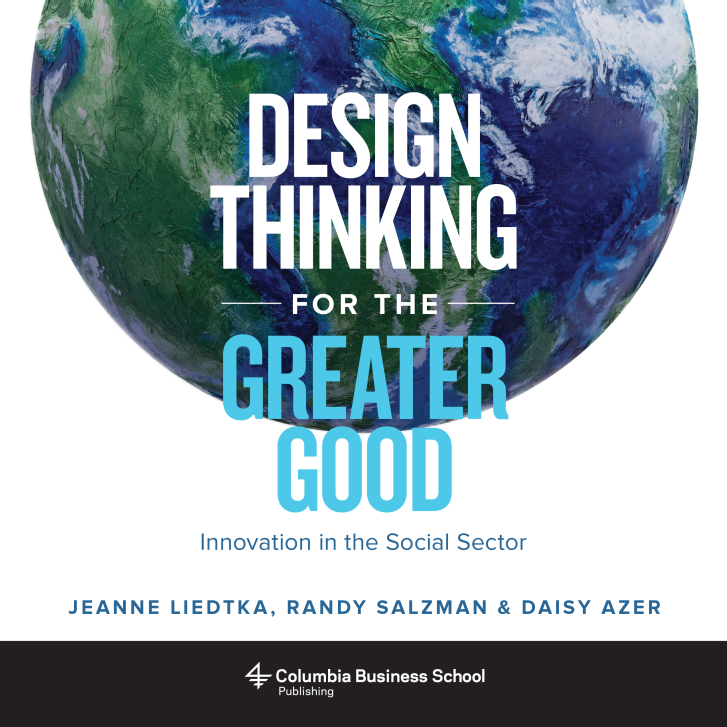
This book offers useful ideas for integrating design thinking into a work environment but could provide more specific guidelines for the design process itself.

The James Irvine Foundation’s New Leadership Network provides lessons about how to foster civic innovation.


By working closely with the clients and consumers, design thinking allows high-impact solutions to social problems to bubble up from below rather than being imposed from the top.
Both human-centered and systems-thinking methods fit within an effective design approach, and can work in conjunction to address social challenges.
Design is a process especially suited to divergent thinking—the exploration of new choices and alternative solutions.

Principles and tactics for creating strategic convenings that foster meaningful interaction and outcomes.

An ethical framework can bridge the worlds of startup technology and international development to strengthen cross-sector innovation in the social sector.