Reconsidering Gender Diversity in Economic Development
Building truly inclusive economies requires that leaders broaden their understanding of gender and the many different ways gender identity can affect inclusion.

Building truly inclusive economies requires that leaders broaden their understanding of gender and the many different ways gender identity can affect inclusion.
Rethinking traditional impact investment products offers a path forward for nonprofit organizations seeking greater access to capital.

A reading list of some of our favorite articles on women, girls, and gender equality.
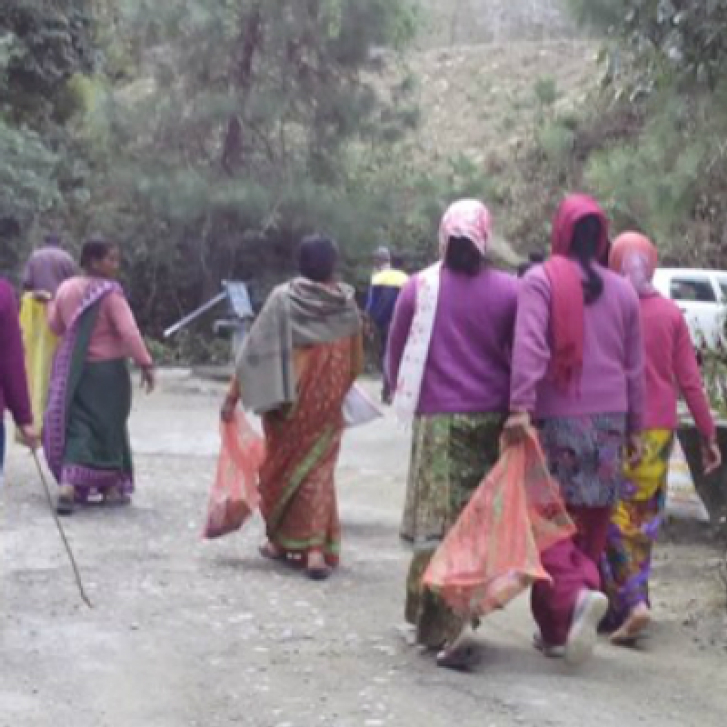
While people in the Western world often assume that extended families in developing countries are oppressive to women who marry into them, family support can actually enable women to take on paying jobs outside the home.
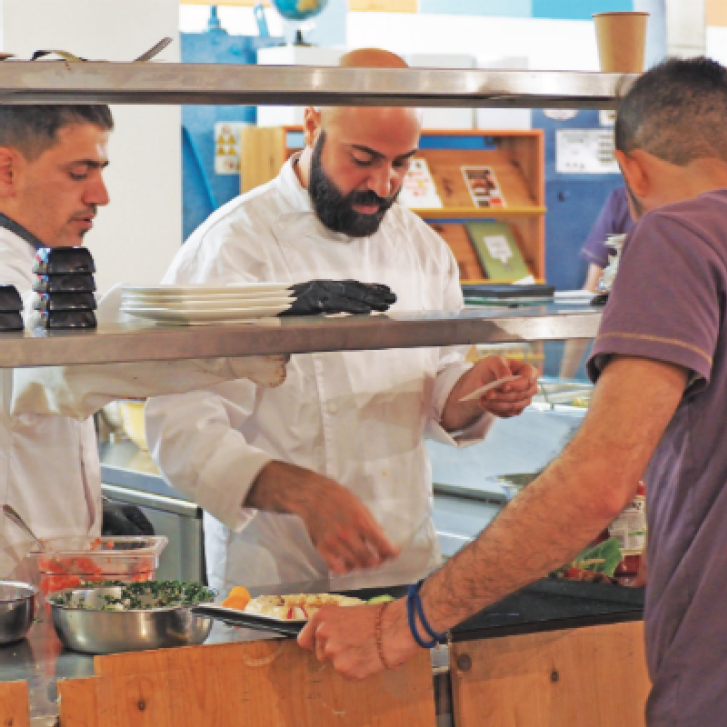
An ambitious community project is helping Amsterdam’s newest residents find both dignified work and a social network.


Fair Trade-certified coffee is growing in sales, but strict certification requirements are resulting in uneven economic advantages for coffee growers and lower quality coffee for consumers.

Six pathways to making housing more affordable and available from the Ivory Prize for Housing Affordability.
Why Kiva chose to be a 501(c)(3), what this tax status buys the organization, and how being a nonprofit poses challenges.
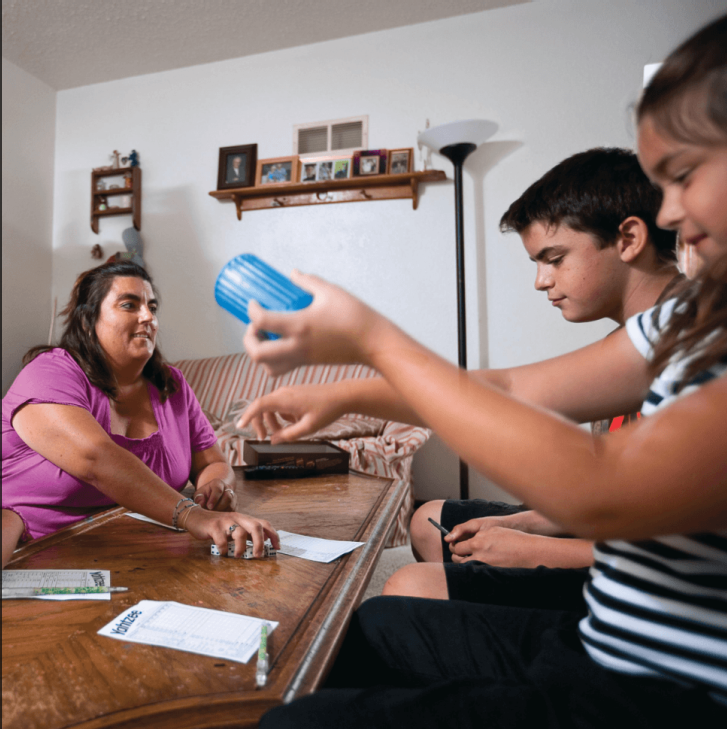
A new approach to measuring poverty is needed, one that accounts for multiple factors such as housing, and regional economic differences.
To cure the social sector’s metric monomania, we must get comfortable with complexity.