


Toward Generative Philanthropy
What if—rather than focusing on funding "what works"—philanthropy asked what people and societies need to live well and flourish, and built the resources to match?

What if—rather than focusing on funding "what works"—philanthropy asked what people and societies need to live well and flourish, and built the resources to match?
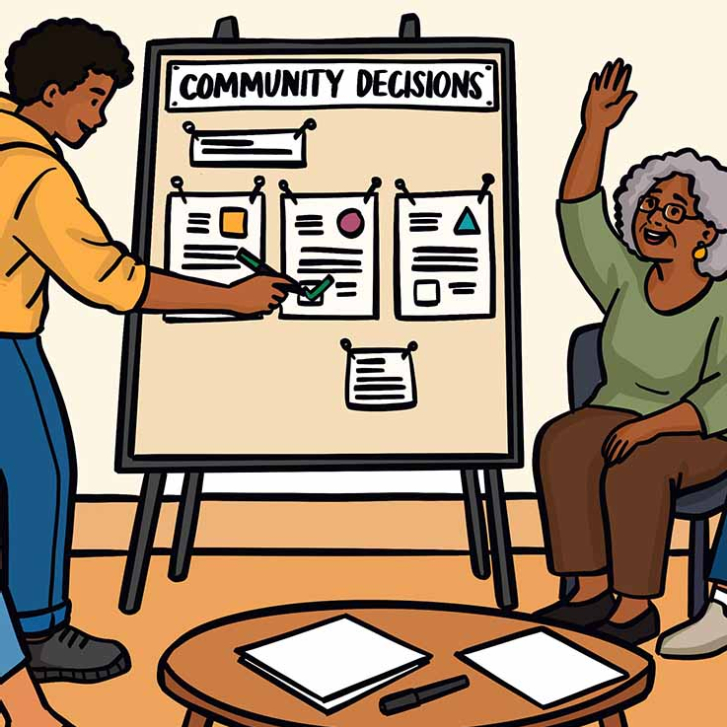
Organizations that put authentic community governance at the heart of their work are using civic data to drive better decisions, generate more durable trust, and produce positive social change.

Men at high risk of violence interpret situations in ways that justify their violent response. Cognitive behavioral therapy can help.
Donors have the motivation and the means to give, so what’s slowing them down? Host Barbara-Wheeler Bride interviews two donor advisors about some of the roadblocks and friction philanthropic donors face when it comes to giving. First, a check-in with Mary Jovanovich, senior manager and charitable consultant at DAFgiving360®, about what she’s hearing from families and individuals. Then, a conversation with Ben Klasky, founder of Seismic Philanthropy, about “option paralysis,” why he thinks donor-advised funds may be getting a bad rap, and what nonprofits can do to better engage with donors. Giving With Impact is developed with the support of DAFgiving360®
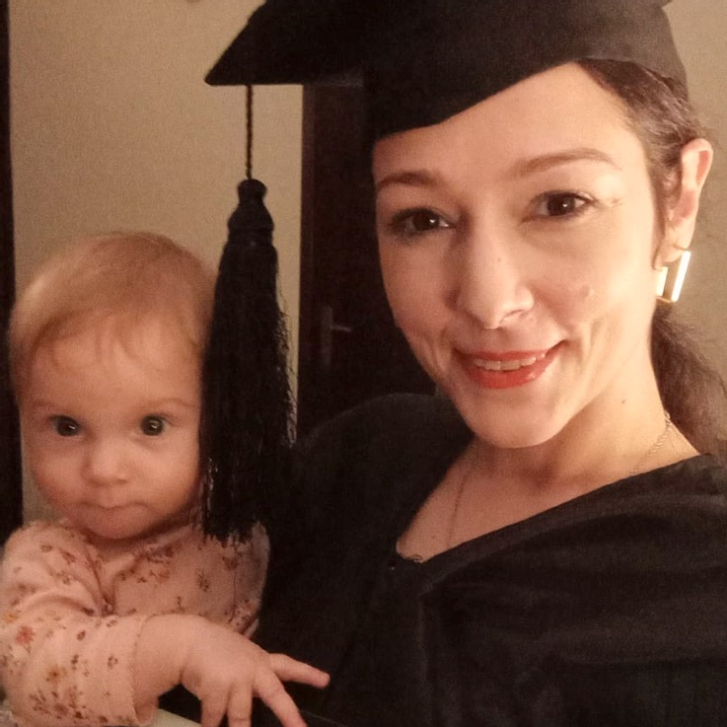
University of the People offers quality higher education online for free to anyone anywhere in the world.

More than an obligation, taxation contributes to the only systems ever shown to deliver essential services equitably and at scale.

Why now is the moment for nonprofits to build and customize their own mission-critical technology, and three steps to getting started.

Health-climate warning labels at gas pumps are gaining political momentum as research shows they can shift consumer attitudes away from fossil fuels.
Two humanitarian leaders working on the front lines of disaster and conflict recently cofounded The Aid Cloud, an innovative platform that connects private funding with local humanitarian organizations in a post-USAID world. N Hlaing and Jose Ravano speak with host Barbara Wheeler-Bride about the funding gaps in humanitarian and development work right now, why it’s often difficult for aid to arrive quickly in a crisis, and why it’s crucial to fund local organizations directly when communities are vulnerable. Giving With Impact is developed with the support of DAFgiving360®

The many discoveries from education research aren't making it to the classroom. It should follow the medical model of building infrastructure to translate research into impact.