sponsored
Canada and the Sustainable Development Goals
What is the role of community-based innovation in a rapidly changing world?

What is the role of community-based innovation in a rapidly changing world?
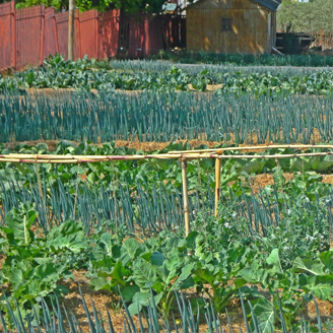
To feed the world’s growing population, we must do more to promote the success of urban farms through better tracking, financial incentives, land use, and support systems.
Investors need to better educate themselves about the local context in which their funds are deployed.
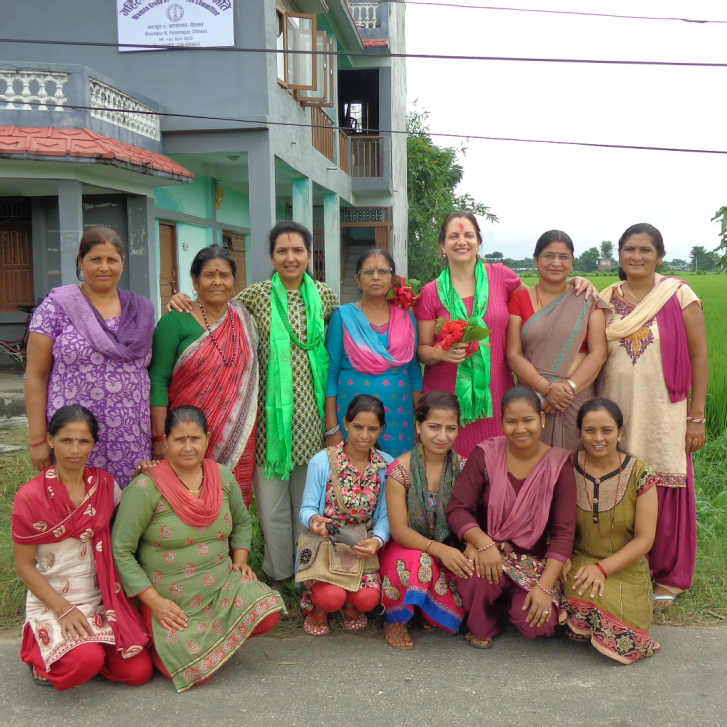
While they are no magic wand and really only work as part of a holistic approach, there is enormous potential for international development organizations to help communities help themselves through savings and credit groups.

This series, produced in partnership with Equal Measure, aims to inspire new and inform current conversations about the role of equity in the development and evaluation of philanthropic investments.


Fair Trade-certified coffee is growing in sales, but strict certification requirements are resulting in uneven economic advantages for coffee growers and lower quality coffee for consumers.

Six pathways to making housing more affordable and available from the Ivory Prize for Housing Affordability.
Why Kiva chose to be a 501(c)(3), what this tax status buys the organization, and how being a nonprofit poses challenges.

A new approach to measuring poverty is needed, one that accounts for multiple factors such as housing, and regional economic differences.

To cure the social sector’s metric monomania, we must get comfortable with complexity.