


New Orleans: The Hub of Water Management Innovation?
The 21st century needs to harness the power of water, and the battered coastal city of New Orleans may just have the goods to do it.

The 21st century needs to harness the power of water, and the battered coastal city of New Orleans may just have the goods to do it.
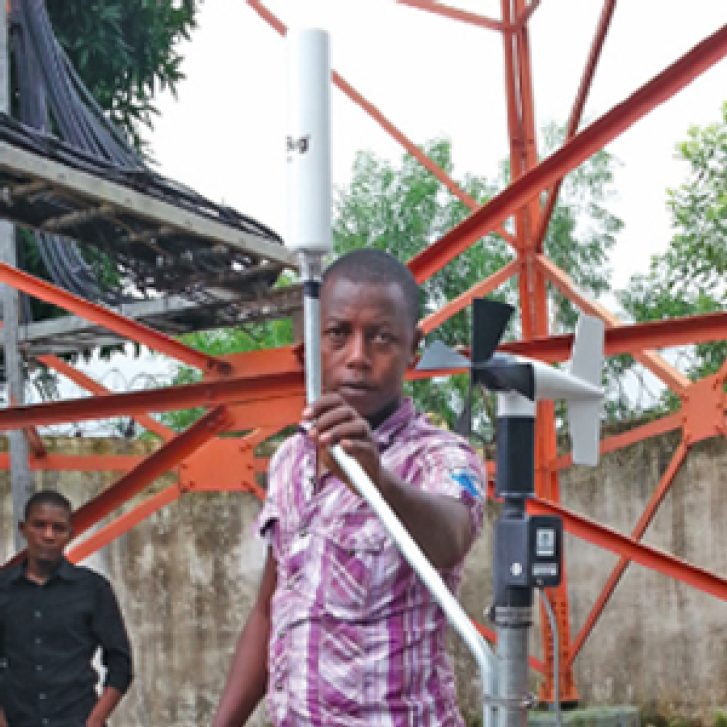
Several ventures now under way in developing countries show how networks of connected machines can drive economic growth.
New tools and practices are helping low-income Americans use rent payments to build up their financial profile.
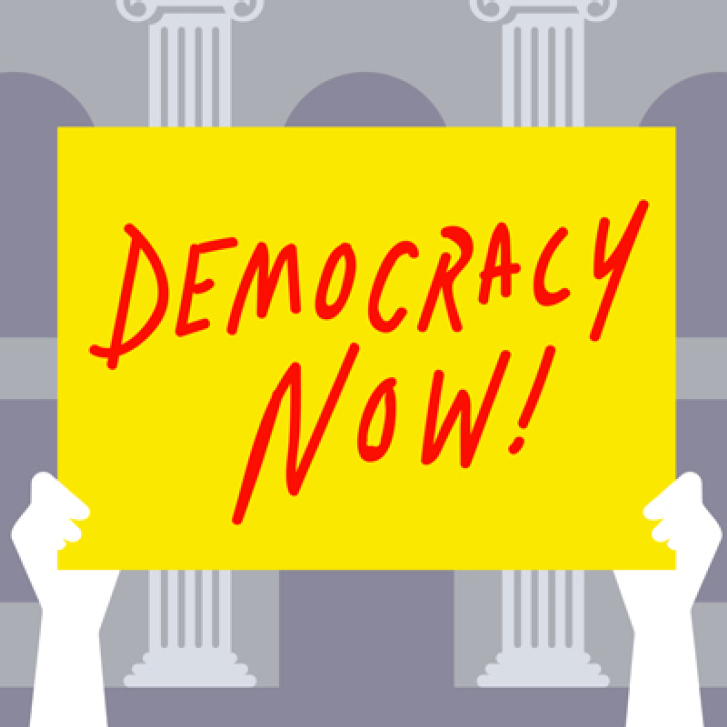
By imposing requirements on recipients, cash transfer programs can “push” them to develop habits of civic participation.

Digital tools are a necessary but not sufficient component of any long-term social change effort.


Fair Trade-certified coffee is growing in sales, but strict certification requirements are resulting in uneven economic advantages for coffee growers and lower quality coffee for consumers.

Six pathways to making housing more affordable and available from the Ivory Prize for Housing Affordability.

Why Kiva chose to be a 501(c)(3), what this tax status buys the organization, and how being a nonprofit poses challenges.

A new approach to measuring poverty is needed, one that accounts for multiple factors such as housing, and regional economic differences.

To cure the social sector’s metric monomania, we must get comfortable with complexity.