A Durable Fix for Global Poverty
A “multifaceted” program has the potential to yield lasting improvements in the lives of the very poor.

A “multifaceted” program has the potential to yield lasting improvements in the lives of the very poor.
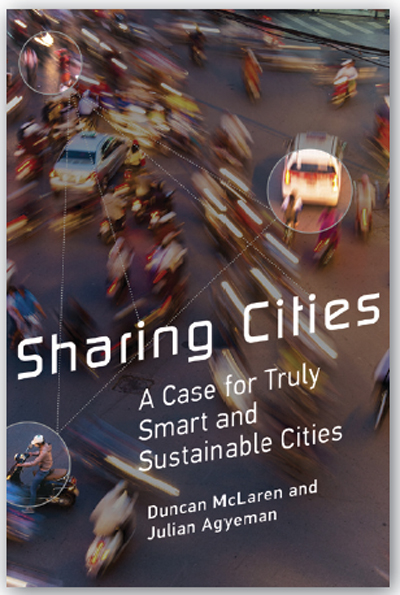
The sharing economy, as a feature of urban life, could evolve in promising or not-so-promising ways.
Collaborative approaches to economic development are seeing results.
Why Africa needs society-minded entrepreneurs, not glitzy projects, and how the economic philosophy of Africapitalism can guide the way.

A reminder that getting client and beneficiary feedback—even in the face of competing priorities—is critical to effective program design.


Fair Trade-certified coffee is growing in sales, but strict certification requirements are resulting in uneven economic advantages for coffee growers and lower quality coffee for consumers.

Six pathways to making housing more affordable and available from the Ivory Prize for Housing Affordability.
Why Kiva chose to be a 501(c)(3), what this tax status buys the organization, and how being a nonprofit poses challenges.

A new approach to measuring poverty is needed, one that accounts for multiple factors such as housing, and regional economic differences.

To cure the social sector’s metric monomania, we must get comfortable with complexity.