


A Good Business for Poor People
Microfranchising poses fewer risks and offers greater benefits than does creating a new business from scratch.
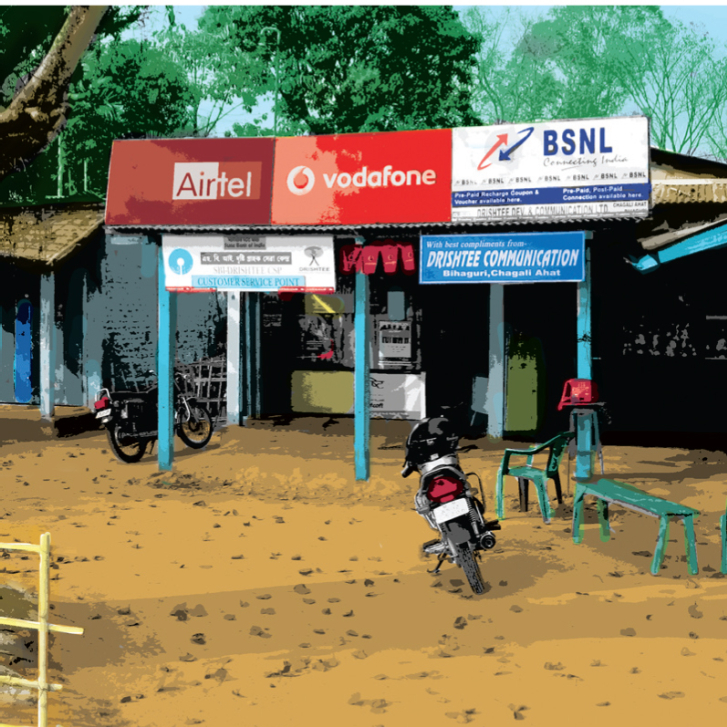
Microfranchising poses fewer risks and offers greater benefits than does creating a new business from scratch.
SaveTogether wants to foster the savings habit among low-income Americans.
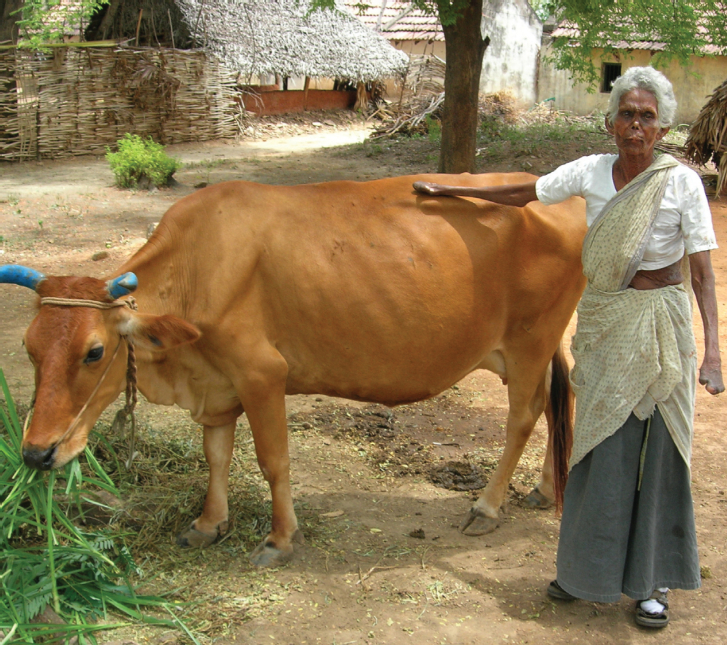
Microlending in leprosy colonies frees residents from poverty, shame, and isolation.
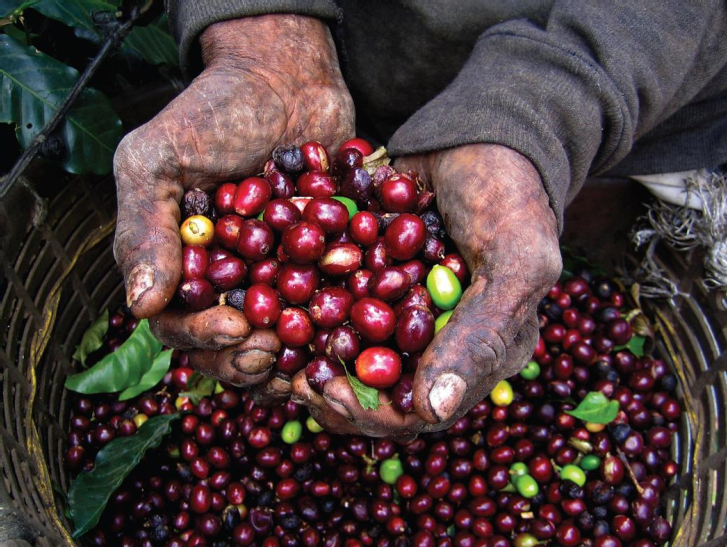
As parents spend more time raising their profitable coffee crop, they spend less time attending to their children's needs.
Global warming may end up helping some poor farmers who will be able to sell their crops for higher prices.


Fair Trade-certified coffee is growing in sales, but strict certification requirements are resulting in uneven economic advantages for coffee growers and lower quality coffee for consumers.

Six pathways to making housing more affordable and available from the Ivory Prize for Housing Affordability.
Why Kiva chose to be a 501(c)(3), what this tax status buys the organization, and how being a nonprofit poses challenges.
A new approach to measuring poverty is needed, one that accounts for multiple factors such as housing, and regional economic differences.
To cure the social sector’s metric monomania, we must get comfortable with complexity.