
Philanthropy and Inequality
The disruptive force of the "new philanthropy" holds the promise of helping to reduce inequality. But will it actually do so?
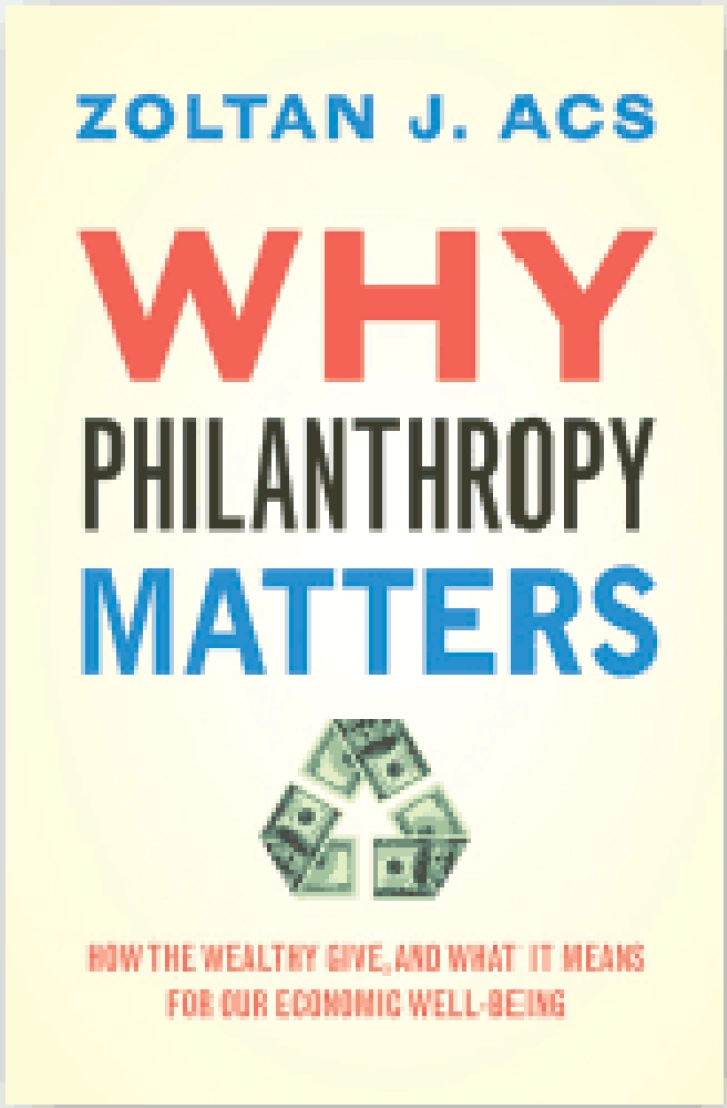
The disruptive force of the "new philanthropy" holds the promise of helping to reduce inequality. But will it actually do so?

NGOs, social entrepreneurs, impact investors, and philanthropists need to help slow climate warming.
Advance market commitments can help solve global development problems impaired by market failure.
Delivering change in urban economies.
The social sector tackles challenges that affect billions—it’s time to get real about what prevents us from solving our challenges.

Fair Trade-certified coffee is growing in sales, but strict certification requirements are resulting in uneven economic advantages for coffee growers and lower quality coffee for consumers.

Impact evaluations are an important tool for learning about effective solutions to social problems, but they are a good investment only in the right circumstances.

In adopting data-driven practices, leaders must design and implement programs in ways that engage community members directly in the work of social change.

Why Kiva chose to be a 501(c)(3), what this tax status buys the organization, and how being a nonprofit poses challenges.
A suggested reading list to provide a foundation for understanding development, aid, and poverty.