Connecting Climate Resilience to the Bottom Line
The time is ripe for companies to look beyond quarterly earnings and depreciation schedules, and into frameworks and strategies that will build long-term resilience.
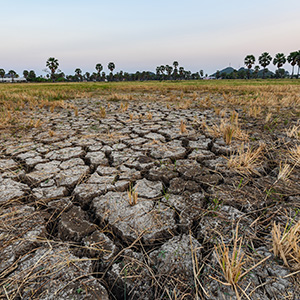
The time is ripe for companies to look beyond quarterly earnings and depreciation schedules, and into frameworks and strategies that will build long-term resilience.
Land restoration, clean energy, and sustainable agriculture offer better investment returns and more US jobs than oil, gas, and coal.
Changing the composition of the world’s energy supply is important, but it’s only half the battle against climate change.
How foundations can reimagine a proven philanthropic tool to more effectively address today’s social and environmental challenges.

Borrowing from the renewable energy sector, we can create a better food system by organizing regional governments to create markets for smaller producers and establishing coordinated networks that can amplify best practices.


The era of corporations integrating sustainable practices is being surpassed by a new age of corporations actively transforming the market to make it more sustainable. Open access to this article is made possible by The Regents of the University of Michigan on behalf of the Erb Institute.
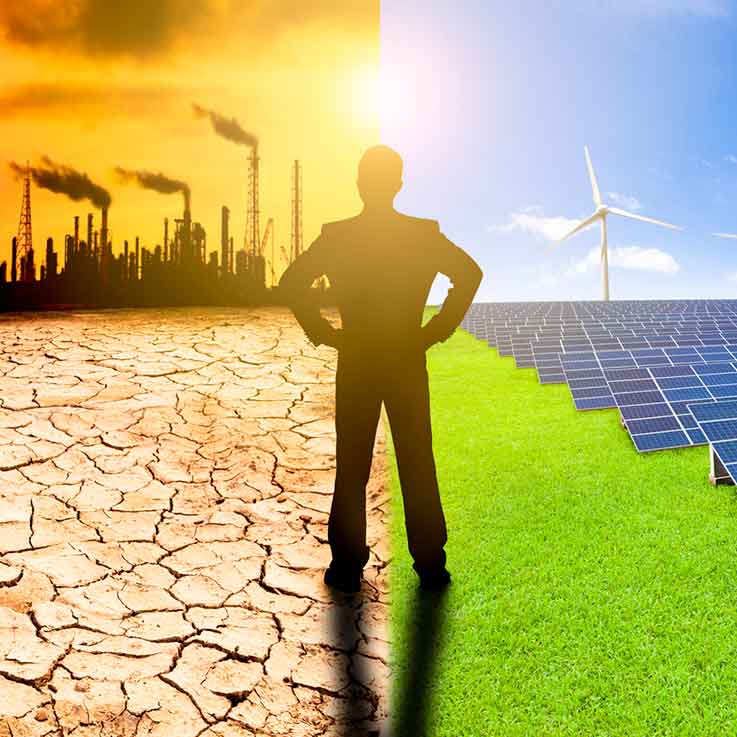
Long hailed as a major piece of the climate solution, sustainable business practices have not only fallen short: They even enable the continued dominance of fossil fuel.

If humanity is to survive the climate crisis, we must manage a just and orderly transition away from fossil fuels. The correct models for this resolution are triage, euthanasia, and hospice.
Open-access to this article made possible by University of Michigan.

Executives from 10 major corporations discuss the innovative ways that they are putting societal issues at the core of their companies’ strategy and operations.

Unless clean tech follows well-established rules of innovation and commercialization, the industry’s promise to provide sustainable sources of energy will fail.