


The 10 Most Popular SSIR Articles of 2019
Highlights from the magazine and website.

Highlights from the magazine and website.
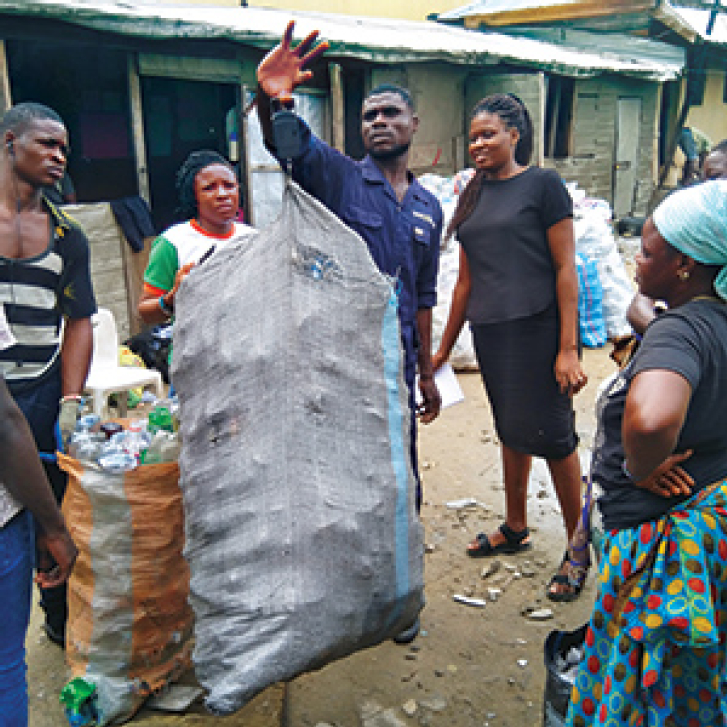
The Recycle Pay program allows parents to pay a portion or all of their children’s school fees by gathering plastic and discarded drinking-water bags, which are then recycled. A What's Next article from the Winter 2020 issue.

Interns in South Bend, Indiana, first collaborated to help restore a polluted neighborhood waterway. Then the project grew into something bigger. A Field Report from the Winter 2020 issue.

Small farmers and food businesses are essential to building a resilient food system, but they need flexible, patient capital to thrive.

To build more inclusive movements, social advocacy organizations and activists need to create stories that can engage both familiar and new communities.


The key to creating a vibrant and sustainable company is to find ways to get all employees personally engaged in day-to-day corporate sustainability efforts.

The era of corporations integrating sustainable practices is being surpassed by a new age of corporations actively transforming the market to make it more sustainable. Open access to this article is made possible by The Regents of the University of Michigan on behalf of the Erb Institute.

For much of its history, Wal-Mart’s corporate management team toiled inside its “Bentonville Bubble,” narrowly focused on operational efficiency, growth, and profits. But now the world's largest retailer has widened its sights, building networks of employees, nonprofits, government agencies, and suppliers to “green” its supply chains. Here's how and why the world’s largest retailer is using a network approach to decrease its environmental footprint – and to increase its profitability.

To do as much good as possible with limited resources, funders should look to woefully underfunded protest movements.

Using artificial intelligence to predict behavior can lead to devastating policy mistakes. Health and development programs must learn to apply causal models that better explain why people behave the way they do to help identify the most effective levers for change.