


Why Conservation Needs a New Way to Scale
Conventional routes to scaling impact don’t always work. Conservation nonprofits and social ventures should be wary of the lure of a large partner and consider replicating from the grassroots instead.
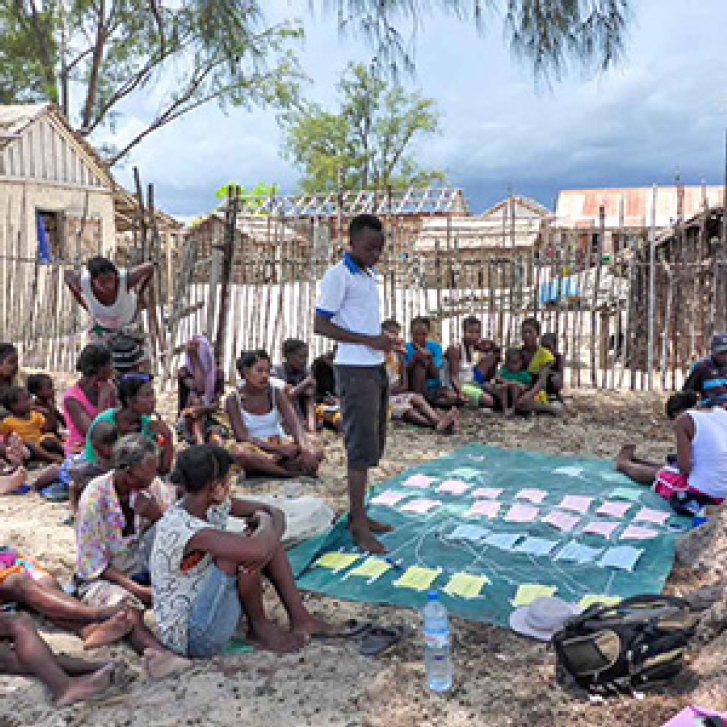
Conventional routes to scaling impact don’t always work. Conservation nonprofits and social ventures should be wary of the lure of a large partner and consider replicating from the grassroots instead.
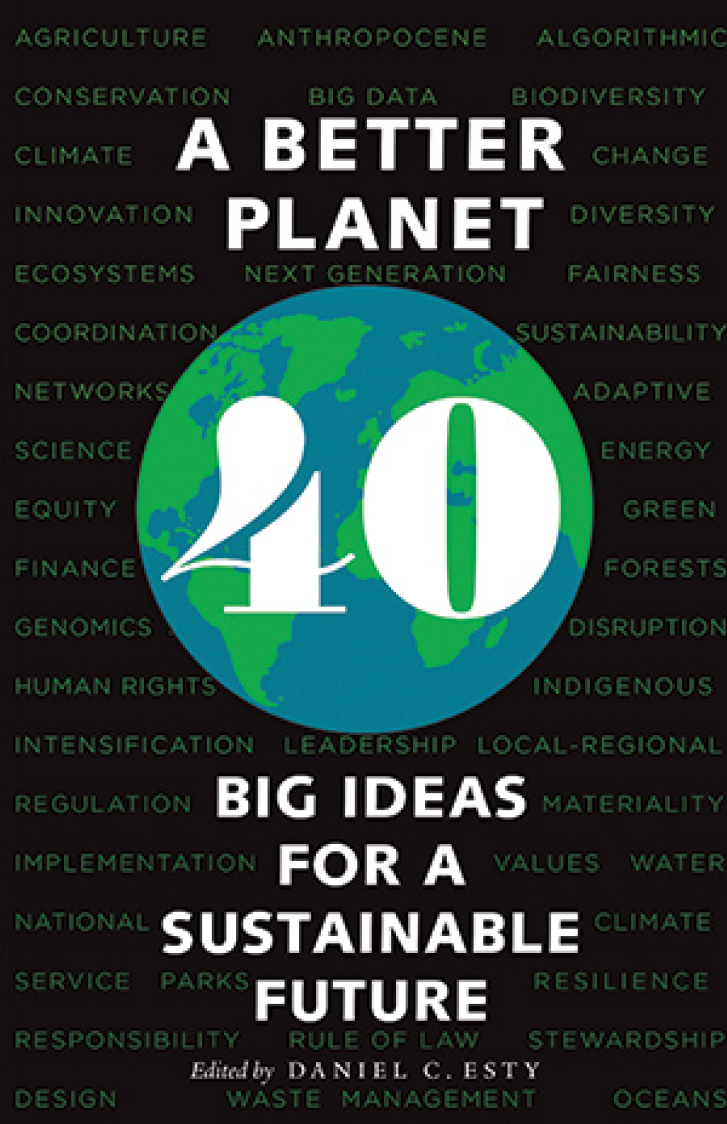
An excerpt from A Better Planet describes how to harness American agriculture for a sustainable future.
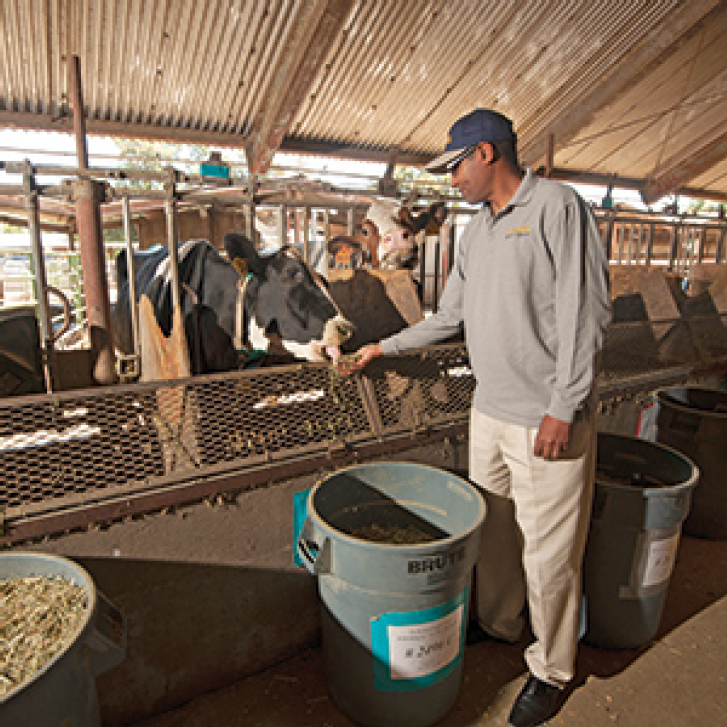
Research has found that the simple act of adding an unassuming seaweed called Asparagopsis taxiformis to cattle feed can lower the amount of methane that cows produce by a stunning 60 percent. A What's Next article from the Spring 2020 issue.

Two researchers have identified what they call “the greenconsumption effect," defined as “warm glow feelings” that accompany the use of environmentally friendly products. A Research article from the Spring 2020 issue.
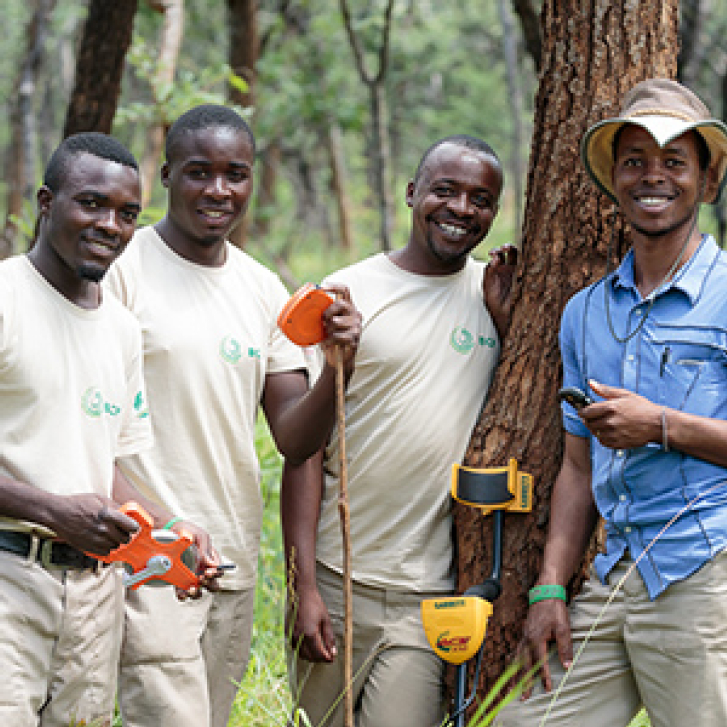
In landscapes where people and natural systems co-exist and intermingle, conservationists must go beyond protection and work to develop community-level incentives for wildlife conservation through sustainable and locally managed use.


The key to creating a vibrant and sustainable company is to find ways to get all employees personally engaged in day-to-day corporate sustainability efforts.

The era of corporations integrating sustainable practices is being surpassed by a new age of corporations actively transforming the market to make it more sustainable. Open access to this article is made possible by The Regents of the University of Michigan on behalf of the Erb Institute.

For much of its history, Wal-Mart’s corporate management team toiled inside its “Bentonville Bubble,” narrowly focused on operational efficiency, growth, and profits. But now the world's largest retailer has widened its sights, building networks of employees, nonprofits, government agencies, and suppliers to “green” its supply chains. Here's how and why the world’s largest retailer is using a network approach to decrease its environmental footprint – and to increase its profitability.

To do as much good as possible with limited resources, funders should look to woefully underfunded protest movements.

Using artificial intelligence to predict behavior can lead to devastating policy mistakes. Health and development programs must learn to apply causal models that better explain why people behave the way they do to help identify the most effective levers for change.