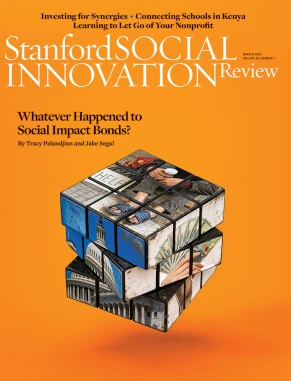


Accounting for Climate Exposure
A broader view of the impact of climate change can offer mainstream and impact investors a competitive edge.
A broader view of the impact of climate change can offer mainstream and impact investors a competitive edge.

Touting products like LEDs and recycled plastic packaging as “green” is misleading, because it fails to account for their effects on markets and consumer behavior and for the resulting environmental consequences. The authors offer what they say is a better approach: measuring the overall "net green" impact of the product.
Let’s be ambitious about using innovative financing to help sort out global supply chains, provide catalytic capital for energy transition, and link talent in emerging markets to online marketplaces.
Philanthropy needs to support climate justice, undercut the power of the fossil fuel industry, beware false solutions, and support clean energy.
Sustainability’s vagueness and scarcity orientation may be preventing the future it seeks to create. The time has come to adopt a new mindset.


The key to creating a vibrant and sustainable company is to find ways to get all employees personally engaged in day-to-day corporate sustainability efforts.

The era of corporations integrating sustainable practices is being surpassed by a new age of corporations actively transforming the market to make it more sustainable. Open access to this article is made possible by The Regents of the University of Michigan on behalf of the Erb Institute.

For much of its history, Wal-Mart’s corporate management team toiled inside its “Bentonville Bubble,” narrowly focused on operational efficiency, growth, and profits. But now the world's largest retailer has widened its sights, building networks of employees, nonprofits, government agencies, and suppliers to “green” its supply chains. Here's how and why the world’s largest retailer is using a network approach to decrease its environmental footprint – and to increase its profitability.

To do as much good as possible with limited resources, funders should look to woefully underfunded protest movements.
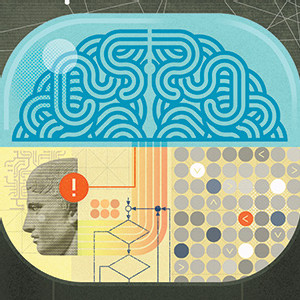
Using artificial intelligence to predict behavior can lead to devastating policy mistakes. Health and development programs must learn to apply causal models that better explain why people behave the way they do to help identify the most effective levers for change.