


Review: A New Green Order?
The World Bank's Global Environment Facility may be undermined by bureaucracy.
The World Bank's Global Environment Facility may be undermined by bureaucracy.

Find out why Method home products keep their eco-friendliness under very attractive wraps.

The authors describe a new approach to environmental conservation that takes market realities into account, rather than relying on philanthropy and altruism.

When it comes to environmental sustainability issues, former EPA head Carol Browner asserts that failing to halt global warming will make us the first generation to bequeath to the next generation a problem that can't be fixed. In this audio lecture, warning of the perils that could await, she urges her Stanford Graduate School of Business audience to seek nonpartisan, business friendly solutions to the looming crisis.

A Guide to Reclaiming the Commons.


The key to creating a vibrant and sustainable company is to find ways to get all employees personally engaged in day-to-day corporate sustainability efforts.

The era of corporations integrating sustainable practices is being surpassed by a new age of corporations actively transforming the market to make it more sustainable. Open access to this article is made possible by The Regents of the University of Michigan on behalf of the Erb Institute.

For much of its history, Wal-Mart’s corporate management team toiled inside its “Bentonville Bubble,” narrowly focused on operational efficiency, growth, and profits. But now the world's largest retailer has widened its sights, building networks of employees, nonprofits, government agencies, and suppliers to “green” its supply chains. Here's how and why the world’s largest retailer is using a network approach to decrease its environmental footprint – and to increase its profitability.

To do as much good as possible with limited resources, funders should look to woefully underfunded protest movements.
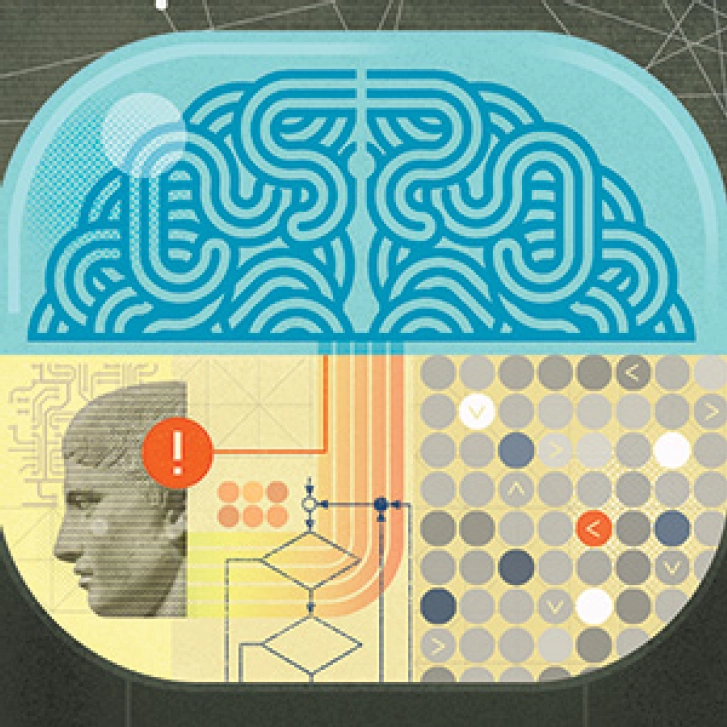
Using artificial intelligence to predict behavior can lead to devastating policy mistakes. Health and development programs must learn to apply causal models that better explain why people behave the way they do to help identify the most effective levers for change.