In Defense of Perpetuity
Limited-life foundations are currently all the rage, but Fleishman’s book reminds us that perpetual, endowed foundations are in many cases preferable.
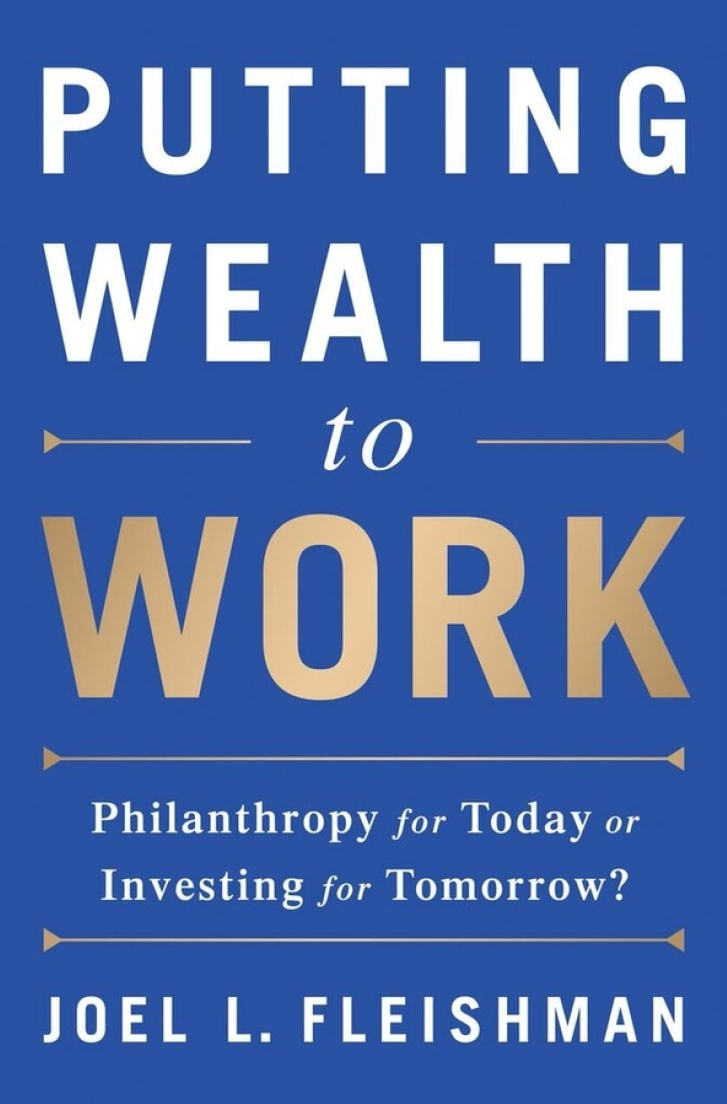
Limited-life foundations are currently all the rage, but Fleishman’s book reminds us that perpetual, endowed foundations are in many cases preferable.

Four strategies in particular may help Africa’s wealthiest businesspeople effect social change and drive economic growth.
Valerie Threlfall of the Fund For Shared Insight, Krystle Onibokun of the Boys and Girls Club of the Peninsula, and Brad Dudding of the Center for Employment Opportunities talk about their experience with a new program that aims to build high quality feedback loops.
Wealthy philanthropists can give help to those who need it most by investing in local foundations and their communities.
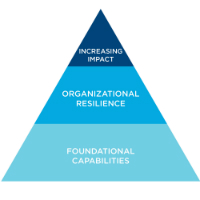
Social sector organizations need a “healthy diet” of funding to achieve maximum impact, a concept neatly captured by the Grantmaking Pyramid now used by the Ford Foundation.


Our understanding of community can help funders and evaluators identify, understand, and strengthen the communities they work with.

Too many people believe social value is objective, fixed, and stable, when in fact it is subjective, malleable, and variable.

These leaders’ assets go beyond experiences of oppression or marginalization to include the connection, meaning, and joy they can draw on from their respective cultures and communities.

A few nonprofits are using social media to fundamentally change the way they work and increase their social impact.

A clear definition of equity would seem paramount to galvanizing philanthropy into action around this increasingly used term—but the field is only beginning to explore what it really means.