


Shelter From the Storm
As an ideas magazine, SSIR offers a sanctuary for deep thinking on the issues of our time, including President Donald Trump's attempts to disrupt the social sector in ways that will be felt for years.
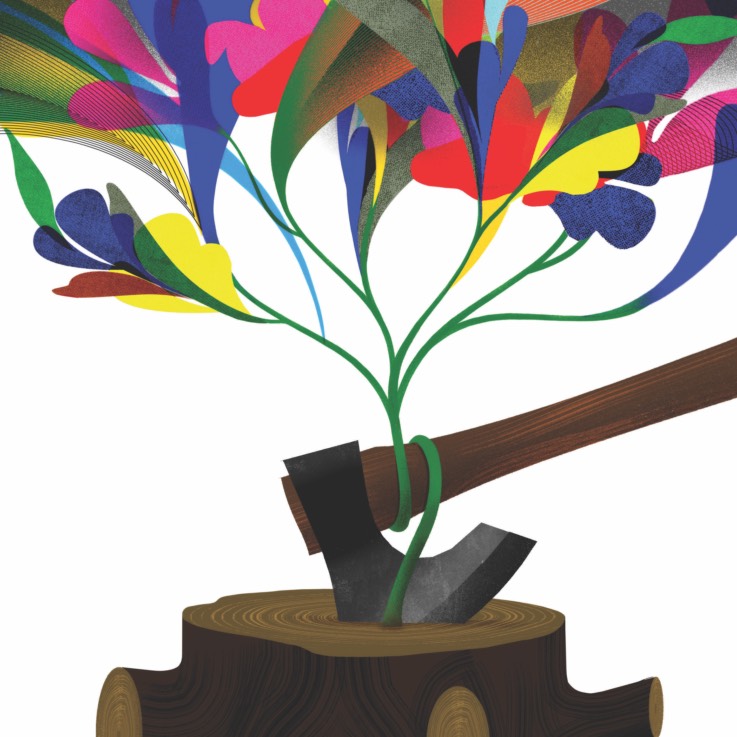
As an ideas magazine, SSIR offers a sanctuary for deep thinking on the issues of our time, including President Donald Trump's attempts to disrupt the social sector in ways that will be felt for years.

A collection of standout pieces published online about handling systems collapse, measuring narrative change, and helping NGOs shift to working with government.

The diversity and vibrancy of our sector give me optimism that we will meet the current crisis and weather future challenges in the years to come.

Oil and gas's dominance over American life can feel like a David vs. Goliath story. Despite the odds, growing pushback in red, blue, and purple states shows that the Davids have more power than we might think—and philanthropy can help them win.

While conflict is a natural part of any relationship, family philanthropies must manage it well to ensure internal issues are not a barrier to impact. What are the best ways to anticipate and deal with disagreements when they arise? Three leaders with experience in the field share their perspectives. A sponsored podcast developed with the support of DAFgiving360


Our understanding of community can help funders and evaluators identify, understand, and strengthen the communities they work with.
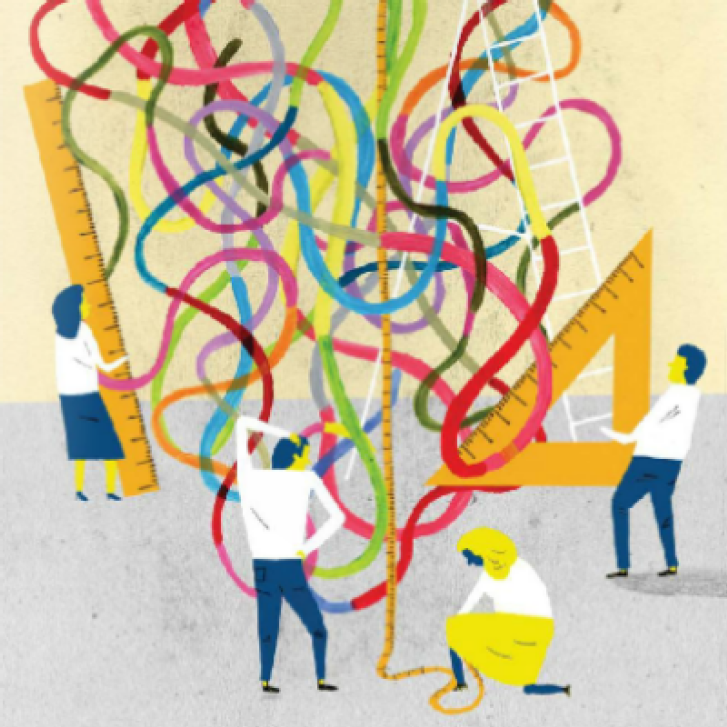
Too many people believe social value is objective, fixed, and stable, when in fact it is subjective, malleable, and variable.

These leaders’ assets go beyond experiences of oppression or marginalization to include the connection, meaning, and joy they can draw on from their respective cultures and communities.
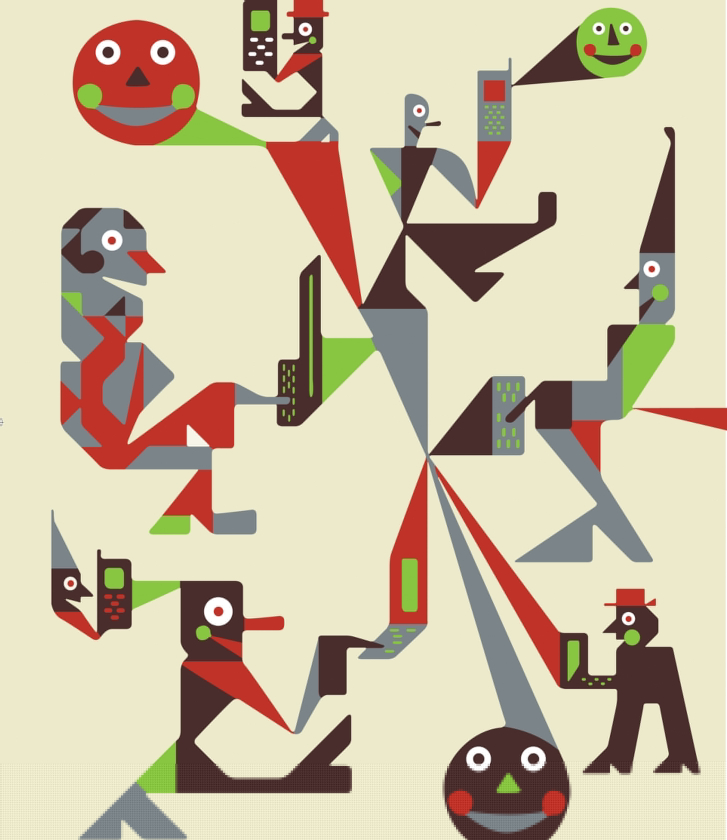
A few nonprofits are using social media to fundamentally change the way they work and increase their social impact.

A clear definition of equity would seem paramount to galvanizing philanthropy into action around this increasingly used term—but the field is only beginning to explore what it really means.