Investing in Global Refugee and Migrant Integration
George Soros’s $500 million investment announcement following the first-ever UN summit on migrants and refugees sets an example for how all investors could engage in “migrant lens investing."
George Soros’s $500 million investment announcement following the first-ever UN summit on migrants and refugees sets an example for how all investors could engage in “migrant lens investing."
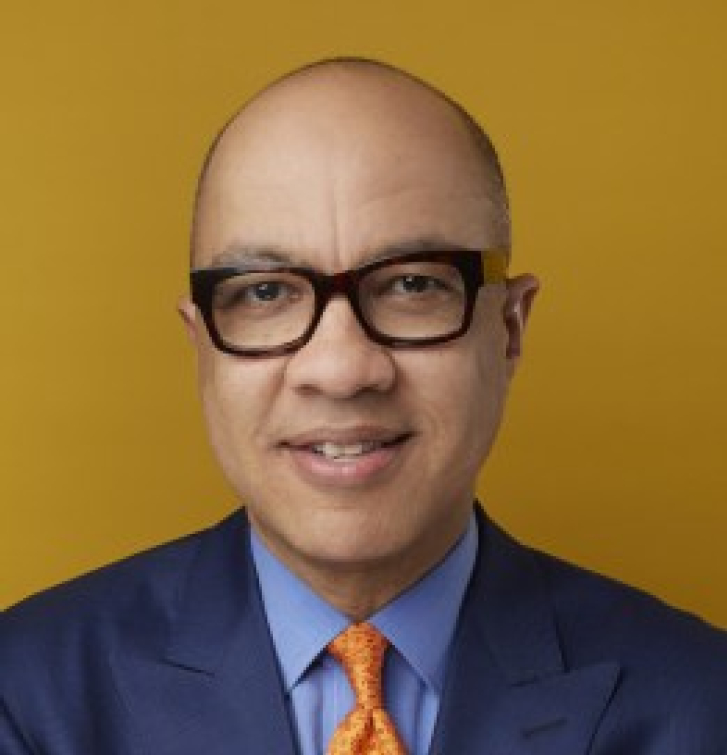
Ford Foundation president Darren Walker talks with SSIR senior editor Michael Slind about what organizations like his can do to address inequality.

A clear definition of equity would seem paramount to galvanizing philanthropy into action around this increasingly used term—but the field is only beginning to explore what it really means.
Grantmakers and nonprofits can face today’s pressing social issues only if we break down the walls between us and see each other as partners on the same side.
Grantee inclusion can help correct the power imbalance not only between foundations and nonprofits, but also between marginalized communities and the broader power structures that perpetuate inequity.


Our understanding of community can help funders and evaluators identify, understand, and strengthen the communities they work with.

Too many people believe social value is objective, fixed, and stable, when in fact it is subjective, malleable, and variable.

These leaders’ assets go beyond experiences of oppression or marginalization to include the connection, meaning, and joy they can draw on from their respective cultures and communities.

A few nonprofits are using social media to fundamentally change the way they work and increase their social impact.
A clear definition of equity would seem paramount to galvanizing philanthropy into action around this increasingly used term—but the field is only beginning to explore what it really means.