How Grantmaking Can Create Adaptive Organizations
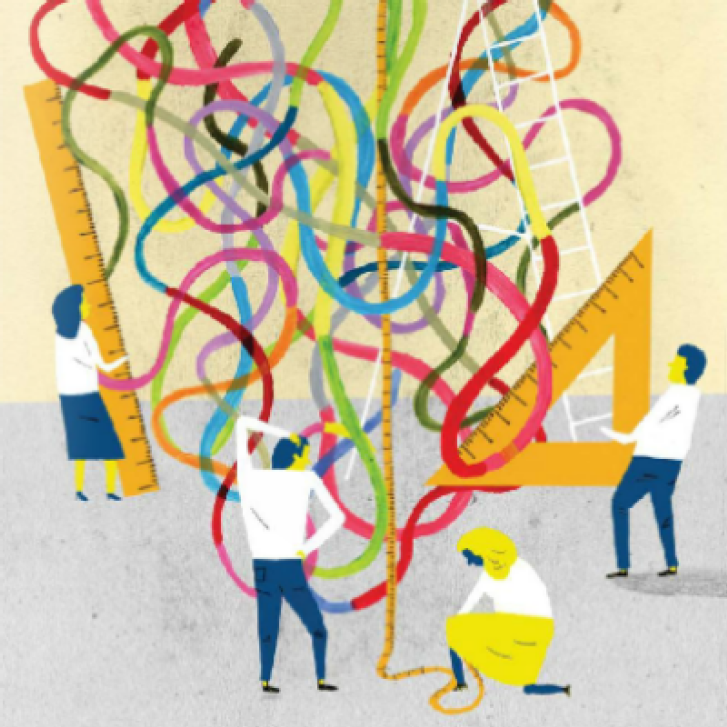
Philanthropists should create collaborative relationships with grantees that cultivate critical thinking, learning, and adaptation.

Philanthropists should create collaborative relationships with grantees that cultivate critical thinking, learning, and adaptation.
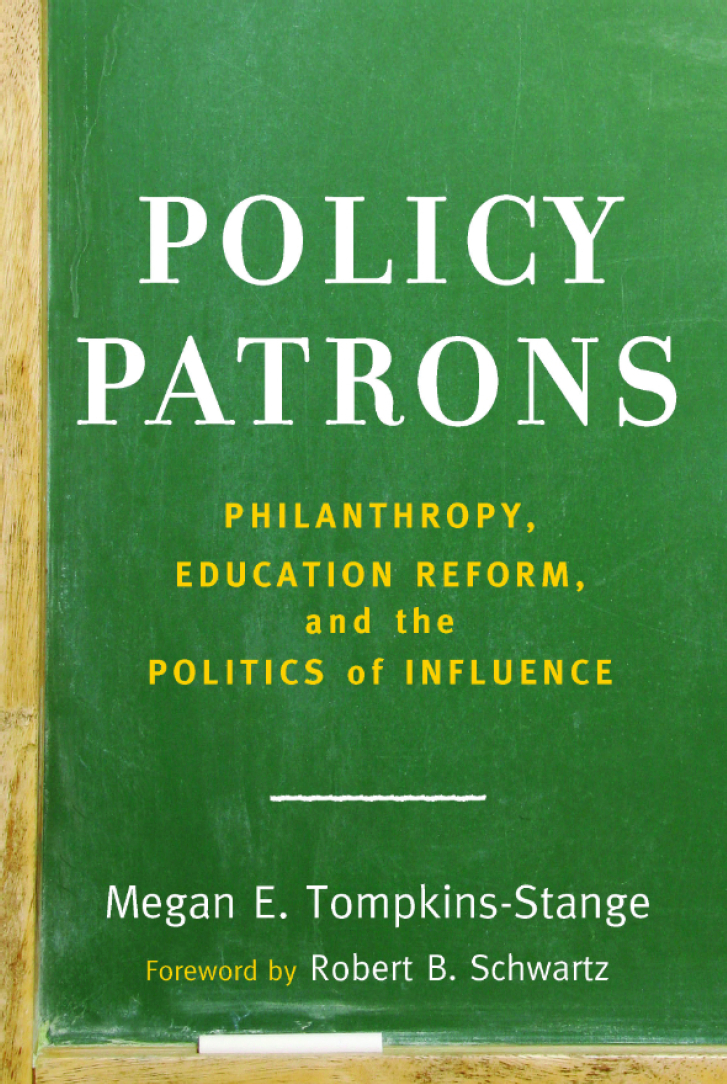
We should be more concerned about foundations’ outsized role in education policy.
Foundations’ internal practices and culture ripple out to grantees in meaningful ways, and it directly accelerates or impedes grantees’ effectiveness.
How funders can listen better, step back, and walk alongside grassroots leadership.
By actively moving into the roles of advocate and partner for grantees, grantmakers can cultivate trusting, transparent relationships that ultimately translate into social impact.


Our understanding of community can help funders and evaluators identify, understand, and strengthen the communities they work with.
Too many people believe social value is objective, fixed, and stable, when in fact it is subjective, malleable, and variable.

These leaders’ assets go beyond experiences of oppression or marginalization to include the connection, meaning, and joy they can draw on from their respective cultures and communities.

A few nonprofits are using social media to fundamentally change the way they work and increase their social impact.

A clear definition of equity would seem paramount to galvanizing philanthropy into action around this increasingly used term—but the field is only beginning to explore what it really means.