


sponsored
Protecting Our Neighbors
Building power in communities now will protect them from the next threat to democracy.

Building power in communities now will protect them from the next threat to democracy.
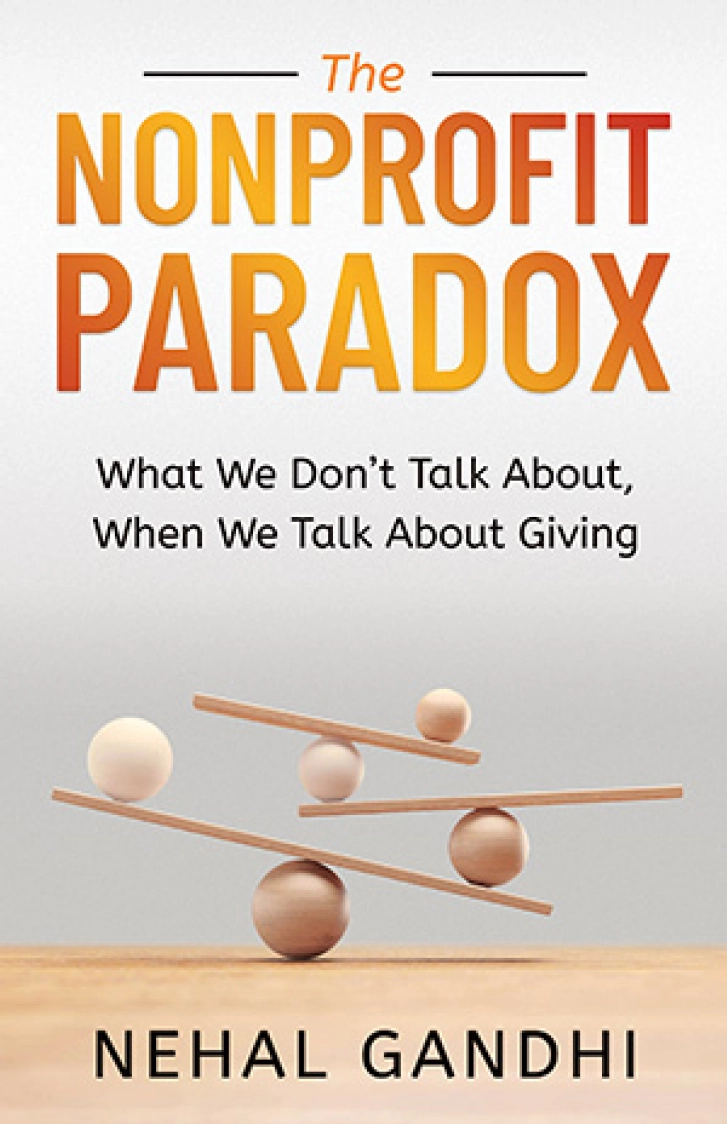
An excerpt from The Nonprofit Paradox by Nehal Gandhi
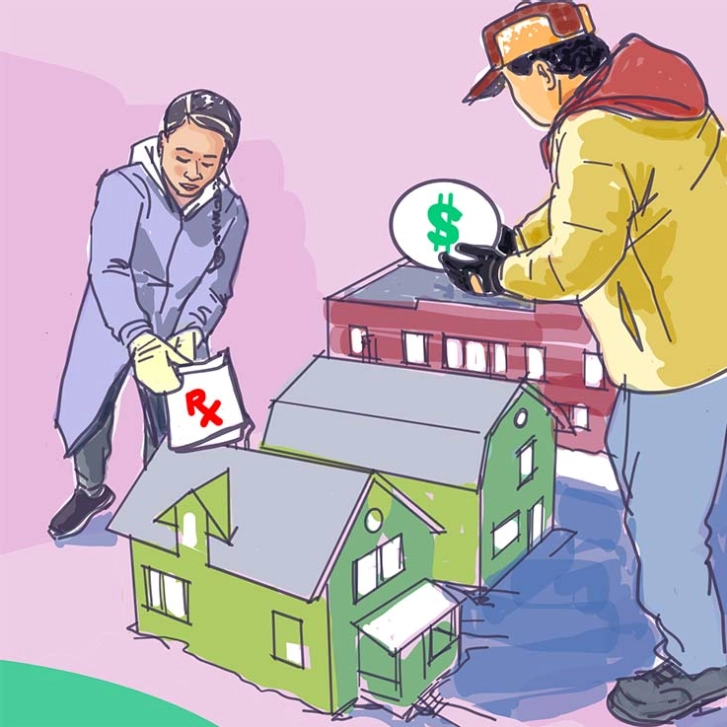
When the village cannot wait, philanthropy must learn from community.
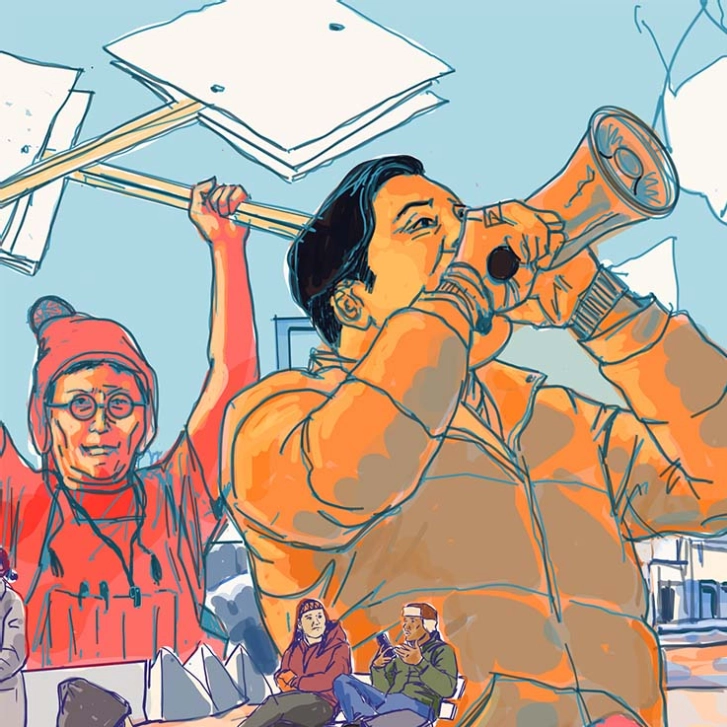
Recognition, distortion, and the organizing infrastructure behind Minnesota's response to Operation Metro Surge.
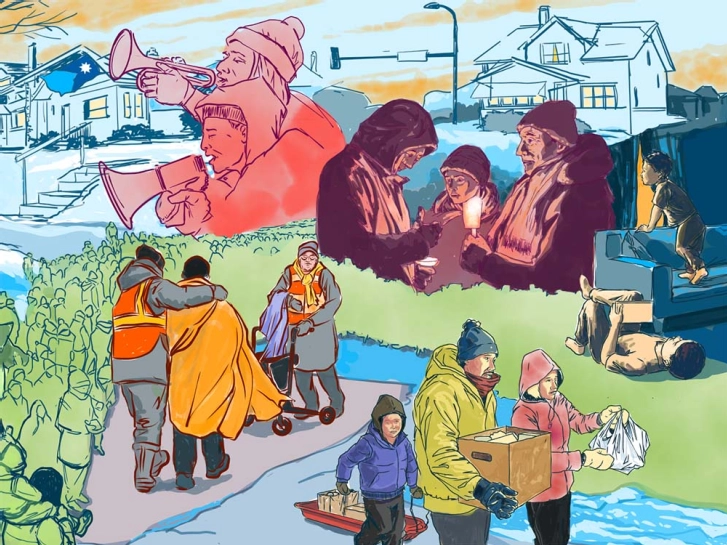
This article series, produced in partnership with and sponsored by the McKnight Foundation, brings together foundation leaders, community partners, and a mutual aid organizer to reflect on what happened during Operation Metro Surge in Minneapolis.


Our understanding of community can help funders and evaluators identify, understand, and strengthen the communities they work with.
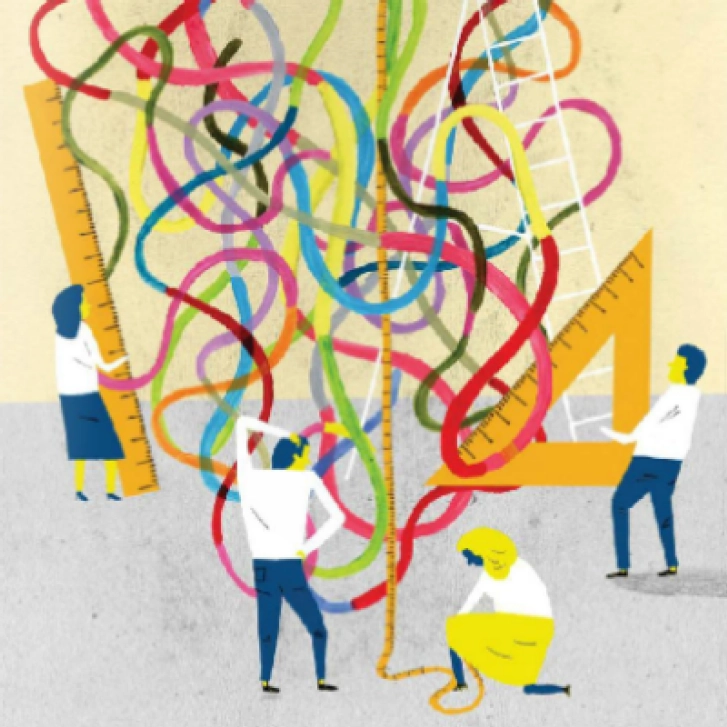
Too many people believe social value is objective, fixed, and stable, when in fact it is subjective, malleable, and variable.

These leaders’ assets go beyond experiences of oppression or marginalization to include the connection, meaning, and joy they can draw on from their respective cultures and communities.
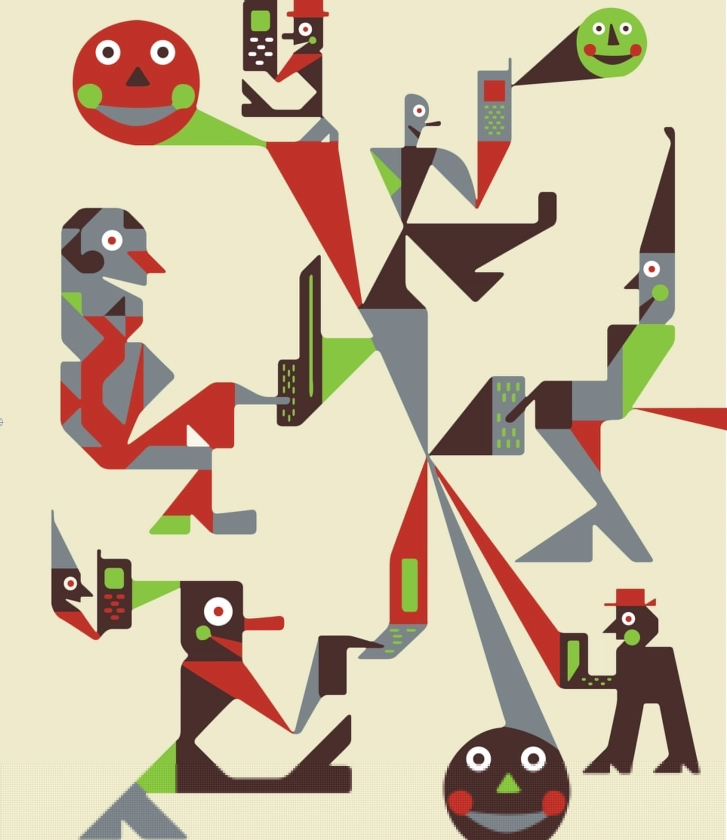
A few nonprofits are using social media to fundamentally change the way they work and increase their social impact.

A clear definition of equity would seem paramount to galvanizing philanthropy into action around this increasingly used term—but the field is only beginning to explore what it really means.