As Giving Goes Global
Philanthropic activity is increasing worldwide in ways that reflect a shared ethos of humanitarian "virtue."

Philanthropic activity is increasing worldwide in ways that reflect a shared ethos of humanitarian "virtue."
A new Packard Foundation report illustrates how funders can use evaluation as a powerful strategic intervention for large-scale policy and systems change.
Focus, flexibility, and fortitude—the three pillars of philanthropic organizations looking to create systemic change.
A novel impact investment model can help social enterprises and foundations generate a high social return on investment.
In joining the push for meaningful Sustainable Development Goals, foundations need to prepare for a long-term give-and-take approach.


Our understanding of community can help funders and evaluators identify, understand, and strengthen the communities they work with.
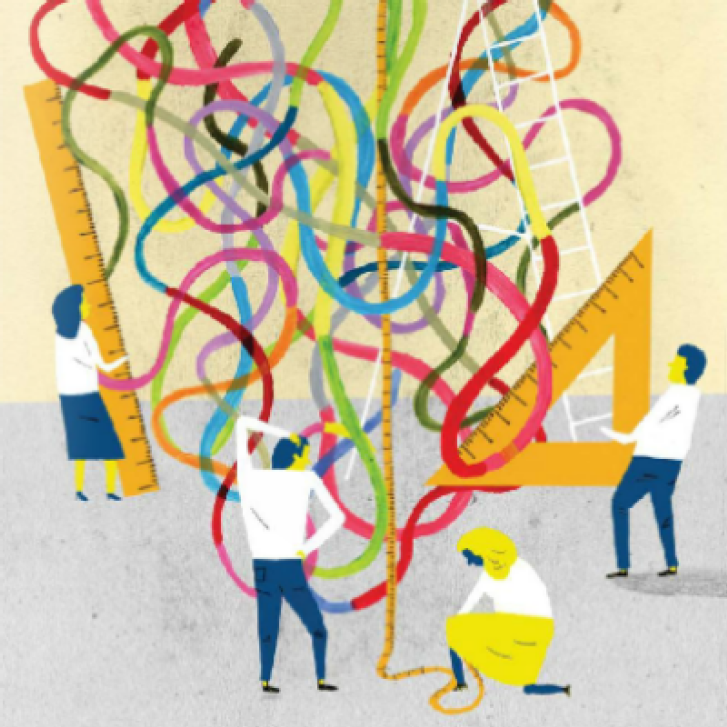
Too many people believe social value is objective, fixed, and stable, when in fact it is subjective, malleable, and variable.

These leaders’ assets go beyond experiences of oppression or marginalization to include the connection, meaning, and joy they can draw on from their respective cultures and communities.
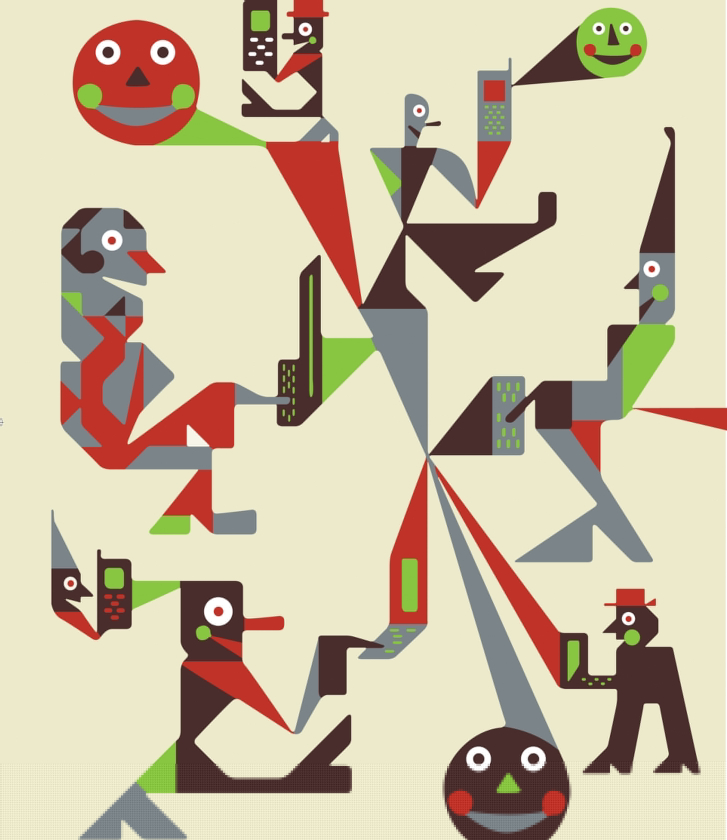
A few nonprofits are using social media to fundamentally change the way they work and increase their social impact.

A clear definition of equity would seem paramount to galvanizing philanthropy into action around this increasingly used term—but the field is only beginning to explore what it really means.