
Building a Culture of Philanthropy
Philanthropy is vital to fostering a vibrant community, but how do we deliberately inspire and support a culture of giving?
Philanthropy is vital to fostering a vibrant community, but how do we deliberately inspire and support a culture of giving?

A group of local donors has set out to transform the teaching profession in Memphis, Tennessee.
Why some foundations are making leadership development a core part of their grantmaking strategy.
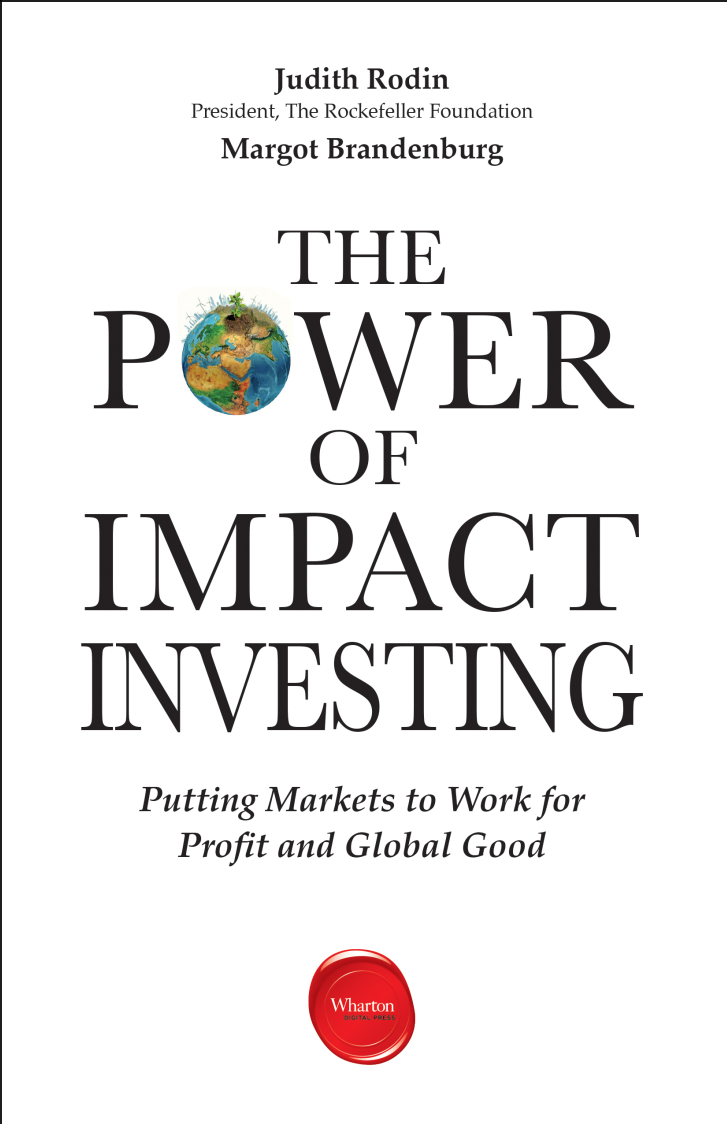
In The Power of Impact Investing, Rockefeller Foundation's Judith Rodin and Margot Brandenburg explain impact investing and share impact investors' stories.
Recommendations for foundations seeking to exit a program area or close down responsibly.


Our understanding of community can help funders and evaluators identify, understand, and strengthen the communities they work with.

Too many people believe social value is objective, fixed, and stable, when in fact it is subjective, malleable, and variable.

These leaders’ assets go beyond experiences of oppression or marginalization to include the connection, meaning, and joy they can draw on from their respective cultures and communities.

A few nonprofits are using social media to fundamentally change the way they work and increase their social impact.

A clear definition of equity would seem paramount to galvanizing philanthropy into action around this increasingly used term—but the field is only beginning to explore what it really means.