


Big Aid Is Over
We need to design for what African governments can do and will pay for.

We need to design for what African governments can do and will pay for.
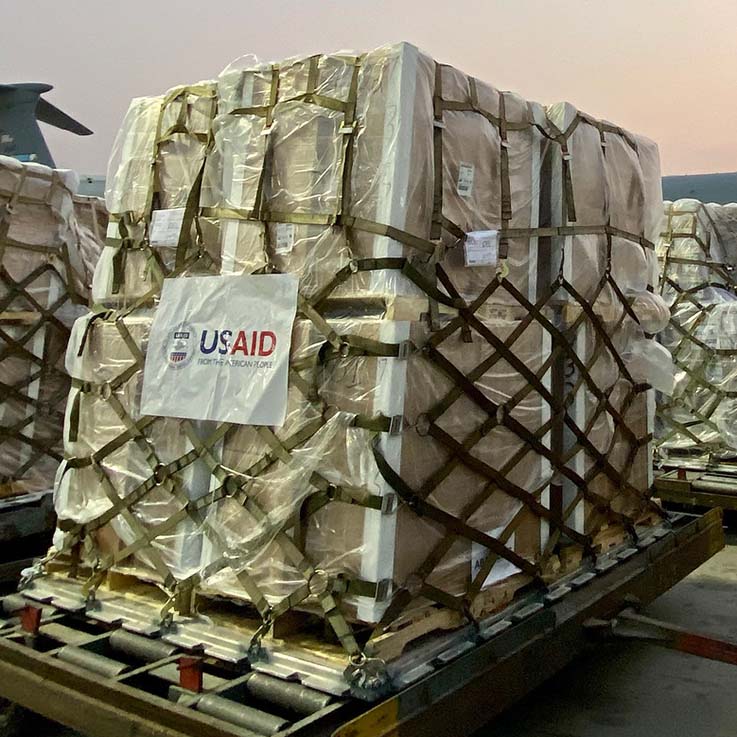
Just a few years ago, philanthropy showed what it could be at its best: nimble, coordinated, unusually brave. This time, facing the sudden slashing of foreign aid, the cavalry is quieter.

The social sector needs new models for understanding what impact might be possible when the systems we operate in fall apart.

The nonprofit sector and its philanthropic supporters still too often overlook the most effective pathway to exponential impact.
How collaboratives can accelerate government initiatives to eliminate preventable global health problems, as seen in the case of Reaching the Last Mile Fund’s impact on a neglected tropical disease and the Beginnings Fund’s aim to increase maternal-newborn survival.


Our understanding of community can help funders and evaluators identify, understand, and strengthen the communities they work with.
Too many people believe social value is objective, fixed, and stable, when in fact it is subjective, malleable, and variable.

These leaders’ assets go beyond experiences of oppression or marginalization to include the connection, meaning, and joy they can draw on from their respective cultures and communities.
A few nonprofits are using social media to fundamentally change the way they work and increase their social impact.

A clear definition of equity would seem paramount to galvanizing philanthropy into action around this increasingly used term—but the field is only beginning to explore what it really means.