


Crash Into Housing
How the Bama Works Fund mobilized private, public, and philanthropic capital to transform public housing

How the Bama Works Fund mobilized private, public, and philanthropic capital to transform public housing

In a difficult time when many nonprofits will be forced to close, nonprofit leaders and funders must act to preserve data and other intangible assets.

A collaborative funder and fund leader discuss partnerships with local leaders, how to get funds moving where they need to go, and human-centered impact.
How does a global approach to childhood cancer research advance treatments and cures? How are philanthropists around the world supporting this cause? Gloria De Dios of Foundation Ayudame a Vivir (AYUVI), Richard C. Shadyac of ALSAC, and Fred Kaynor of DAFgiving360 discuss St. Jude Global, an innovative endeavor at St. Jude Children’s Research Hospital to take lifesaving cancer treatments to children around the world. A sponsored podcast developed with the support of DAFgiving360
In this funding crisis, we need to play the long game and build independent capacity for the long term.


Our understanding of community can help funders and evaluators identify, understand, and strengthen the communities they work with.
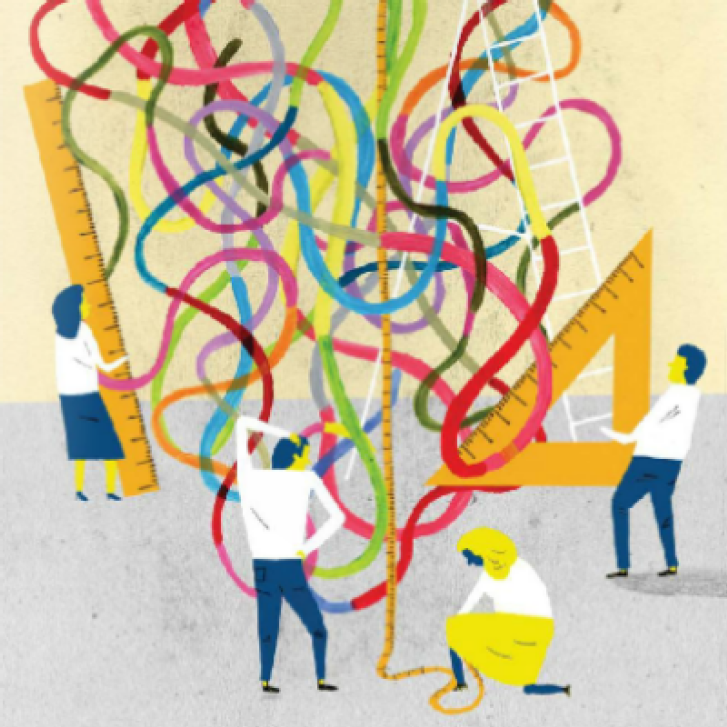
Too many people believe social value is objective, fixed, and stable, when in fact it is subjective, malleable, and variable.
These leaders’ assets go beyond experiences of oppression or marginalization to include the connection, meaning, and joy they can draw on from their respective cultures and communities.
A few nonprofits are using social media to fundamentally change the way they work and increase their social impact.

A clear definition of equity would seem paramount to galvanizing philanthropy into action around this increasingly used term—but the field is only beginning to explore what it really means.