


Unitus, We Stand; Divide Us, We Fall
An external agency should review the circumstances surrounding the Unitus decision to terminate its 10-year commitment to microfinance.
An external agency should review the circumstances surrounding the Unitus decision to terminate its 10-year commitment to microfinance.
How people experience government programs directly affects their levels of civic engagement.

Riders for Health has created a novel approach to maintaining health transport vehicles in sub-Saharan Africa.
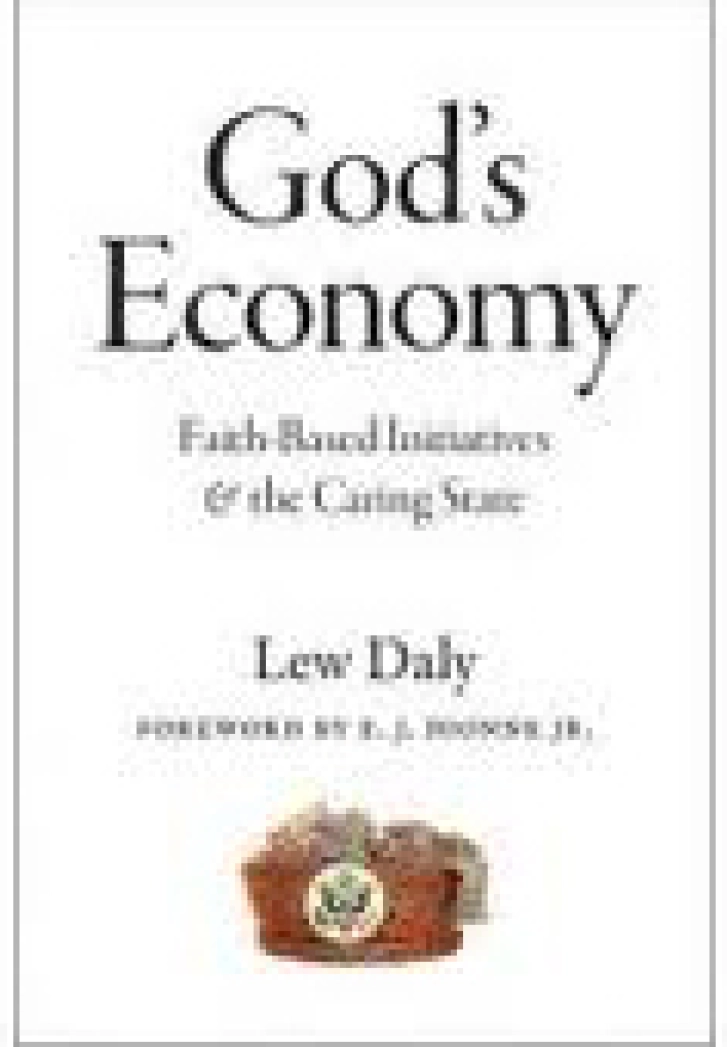
GOD’S ECONOMY: Faith-Based Initiatives and the Caring State by Lew Daly
New public-private partnerships have led to big leaps in the exportation of Argentinian wine.


Social entrepreneurship and social enterprise have become popular and positive rallying points for those trying to improve the world, but social innovation is a better vehicle for understanding and creating social change in all of its manifestations.
In their efforts to be socially responsible, most companies fail to wield their most powerful tool: lobbying. Yet corporations such as Mary Kay, Royal Dutch Shell, and General Motors are increasingly leveraging their deep pockets, government contacts, and persuasive powers for the cause of good. Not all kinds of socially responsible lobbying are created equal, however. The authors discuss which forms are best for companies and society.

Joanne Weiss is in charge of the federal government’s $4.3 billion Race to the Top Fund, a new program that is funding innovations in K-12 education.

Voluntary carbon offsets allow people to invest in projects that allegedly counteract their greenhouse gas emissions. But can voluntary offsets help slow global warming? Or are offsets a way for consumers to buy their way out of bad feelings?
A longer version of "When Can Impact Investing Create Real Impact?" from the Fall 2013 Up for Debate feature.