
Sell the Wind
What are social marketers to do when their target audience couldn’t care less about the change they want to make? Here's how one group got everyday people to care about alternative energy.

What are social marketers to do when their target audience couldn’t care less about the change they want to make? Here's how one group got everyday people to care about alternative energy.
How Healthy Families showed there's no way private philanthropy can pick up after a government retreats; what can nonprofits do to address this situation?
Recycla Chile, Latin America’s first e-waste recycling company, reclaims value from discarded electronics and marginalized people.

When disaster strikes, governments often rely on nonprofits and businesses to help with relief efforts. But making up for the public sector's shortcomings is neither an appropriate nor effective use of the private sector's strengths.
The U.S. government is working to grow the "ecosystem" for entrepreneurship abroad as a part of its international development efforts. In this audio lecture, Richard Boly, a member of the U.S. Foreign Service, discusses how he managed a program of the U.S. embassy to promote entrepreneurship in Italy, a country steeped in bureaucracy and lacking engines of innovation. Speaking at a conference convened by the Hoover Institute at Stanford, he details efforts to connect entrepreneurs with the resources and role models they need to be successful.

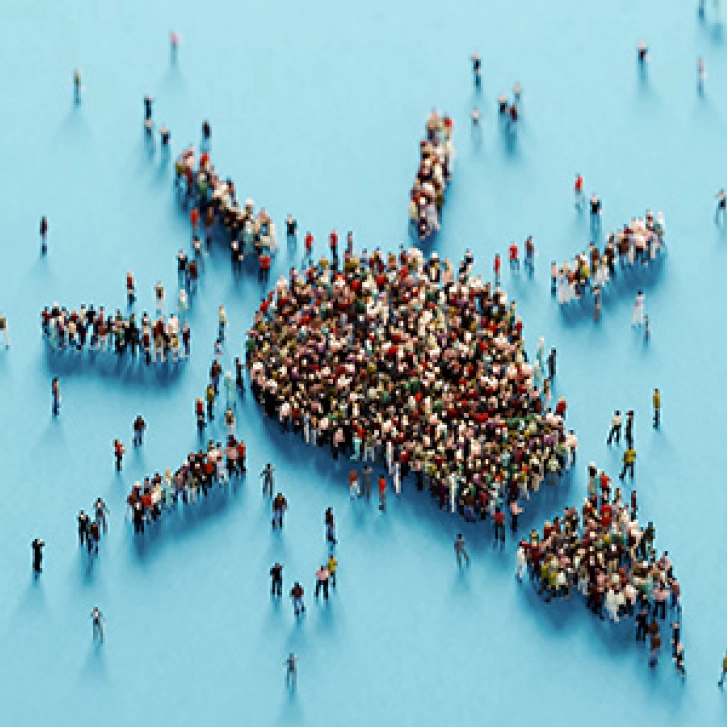
Social entrepreneurship and social enterprise have become popular and positive rallying points for those trying to improve the world, but social innovation is a better vehicle for understanding and creating social change in all of its manifestations.
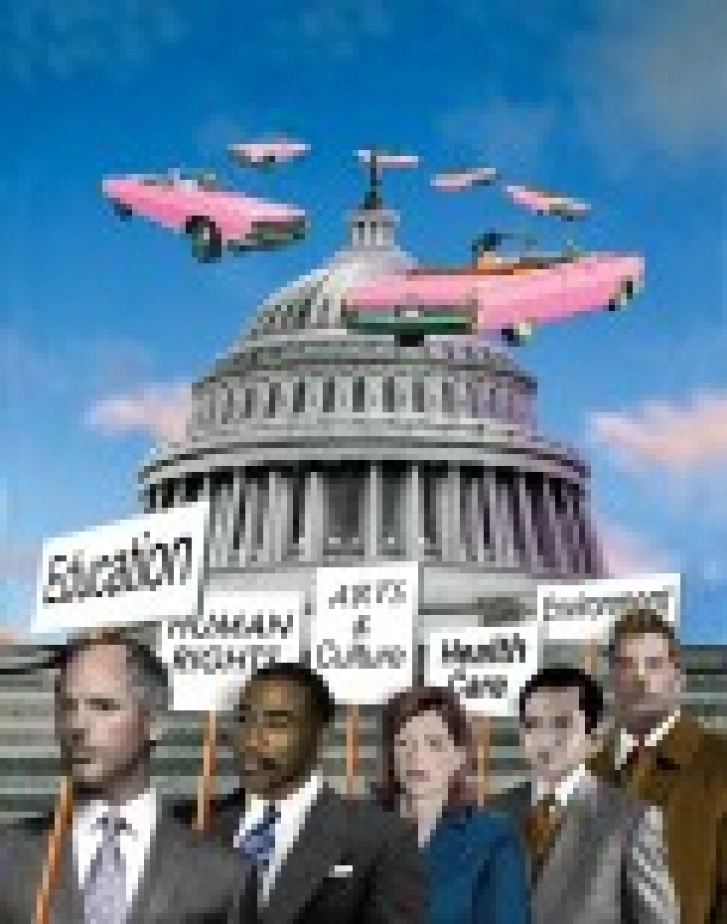
In their efforts to be socially responsible, most companies fail to wield their most powerful tool: lobbying. Yet corporations such as Mary Kay, Royal Dutch Shell, and General Motors are increasingly leveraging their deep pockets, government contacts, and persuasive powers for the cause of good. Not all kinds of socially responsible lobbying are created equal, however. The authors discuss which forms are best for companies and society.
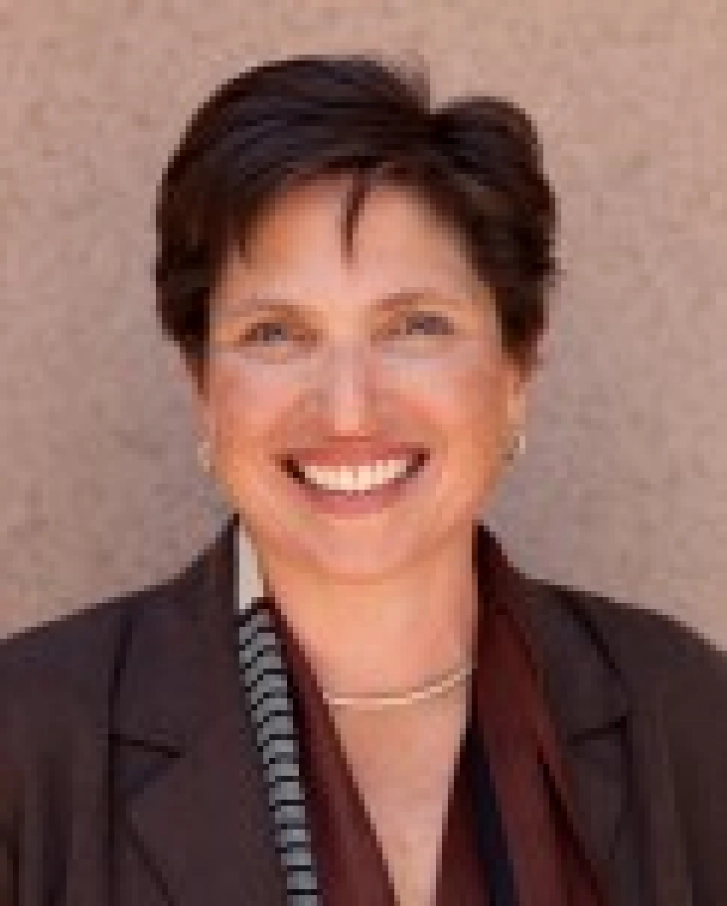
Joanne Weiss is in charge of the federal government’s $4.3 billion Race to the Top Fund, a new program that is funding innovations in K-12 education.

Voluntary carbon offsets allow people to invest in projects that allegedly counteract their greenhouse gas emissions. But can voluntary offsets help slow global warming? Or are offsets a way for consumers to buy their way out of bad feelings?
A longer version of "When Can Impact Investing Create Real Impact?" from the Fall 2013 Up for Debate feature.