


sponsored
Housing and Health: Creating Solutions With Communities
The Kresge Foundation wanted to learn with grantees about work at the intersection of housing and health equity. Their takeaway: Fund community-driven solutions and community power.

The Kresge Foundation wanted to learn with grantees about work at the intersection of housing and health equity. Their takeaway: Fund community-driven solutions and community power.
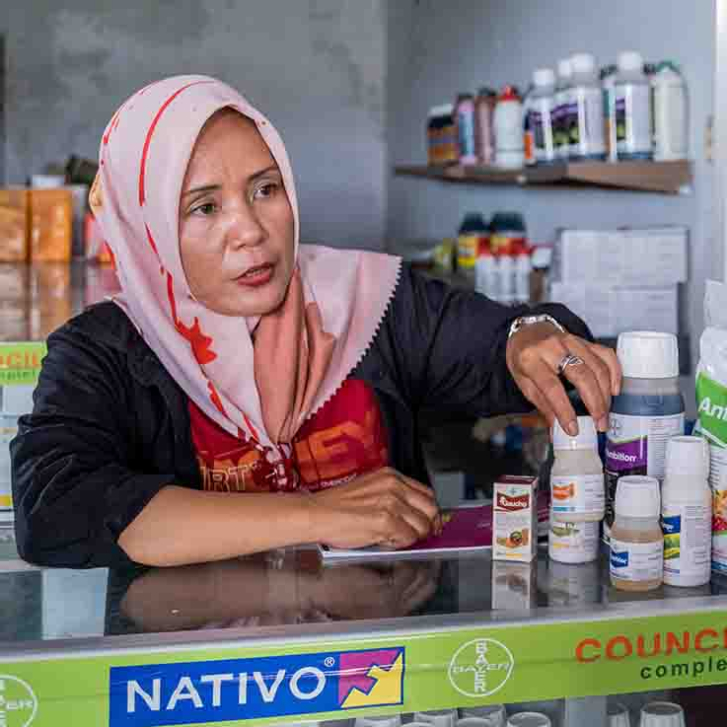
Businesses need to take actions that improve not only the environment, but also human health and well-being, particularly among vulnerable communities in their value chains.

For those at critical junctures on the leadership journey, these seven questions may help clarify your highest and best use.

Spending money on research, or improving the research process, is one of the most powerful force multipliers that philanthropy can leverage.

On the hermeneutic of generosity, the iron cage of rationality, and accompaniment.


Our understanding of community can help funders and evaluators identify, understand, and strengthen the communities they work with.

Two veterans of consumer psychology, marketing, and entrepreneurship provide a guide to using social media for social change.

Instead of pressuring already-stressed individuals to fix themselves, true wellness requires organization-level interventions.

Using artificial intelligence to predict behavior can lead to devastating policy mistakes. Health and development programs must learn to apply causal models that better explain why people behave the way they do to help identify the most effective levers for change.

Two years ago I quit my nonprofit CEO job. I’ve just had the two most productive years of my career.