Solving the Loneliness Epidemic, Two Generations at a Time
Four ways technology can help organizations working to fight loneliness, while transforming eldercare and the lives of older and younger adults.
Amid a global pandemic, philanthropic organizations in emerging markets are finding their voice and challenging historical constructs.
While the pandemic has clarified some best practices for online trainings, centering participants requires a creative approach, a deep understanding of participants’ needs, and thoughtful work to be responsive and flexible.
Intergenerational home-sharing provides younger adults with affordable housing and older adults with needed income and a way to age in place.
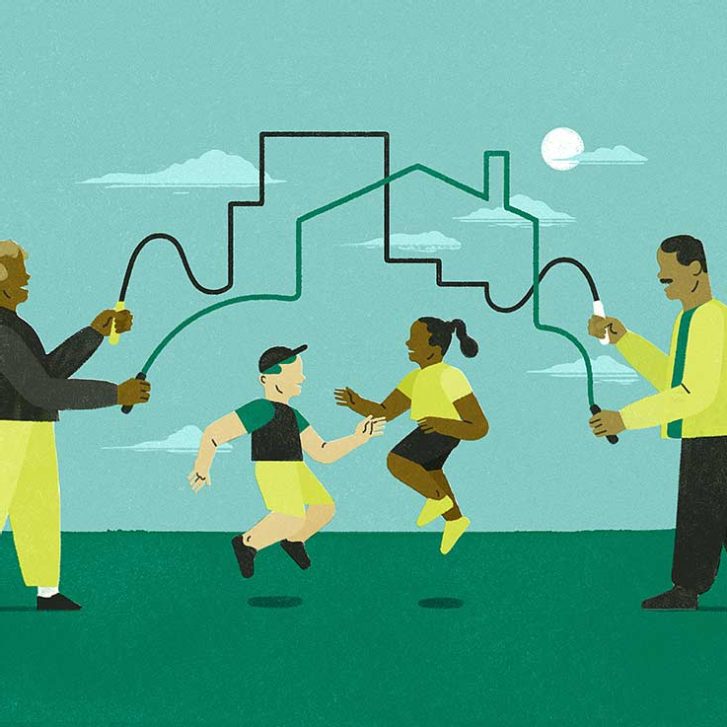
How social innovation can reshape a century of generational separation in the United States, and bring together the talents of young and old to improve life for all.
Our understanding of community can help funders and evaluators identify, understand, and strengthen the communities they work with.
Two veterans of consumer psychology, marketing, and entrepreneurship provide a guide to using social media for social change.
Instead of pressuring already-stressed individuals to fix themselves, true wellness requires organization-level interventions.
Using artificial intelligence to predict behavior can lead to devastating policy mistakes. Health and development programs must learn to apply causal models that better explain why people behave the way they do to help identify the most effective levers for change.
Two years ago I quit my nonprofit CEO job. I’ve just had the two most productive years of my career.