


Precision Fishing
SmartCatch deploys digital technology to help make the world’s commercial fishing industry more sustainable.
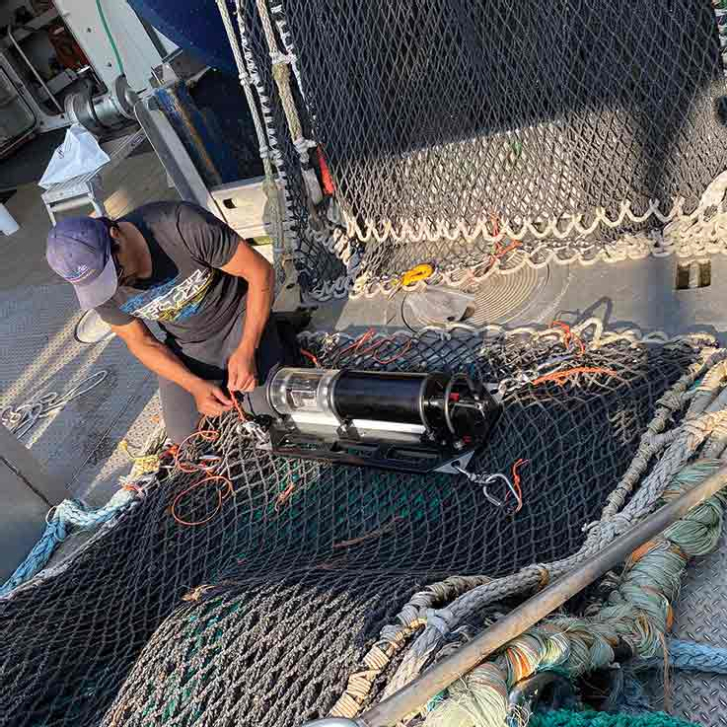
SmartCatch deploys digital technology to help make the world’s commercial fishing industry more sustainable.

Rick Doblin launched the Multidisciplinary Association for Psychedelic Studies in 1986 to research and advocate for the use of LSD, magic mushrooms, and Ecstasy to treat mental illness. After more than three decades of labor, he has found his moment.
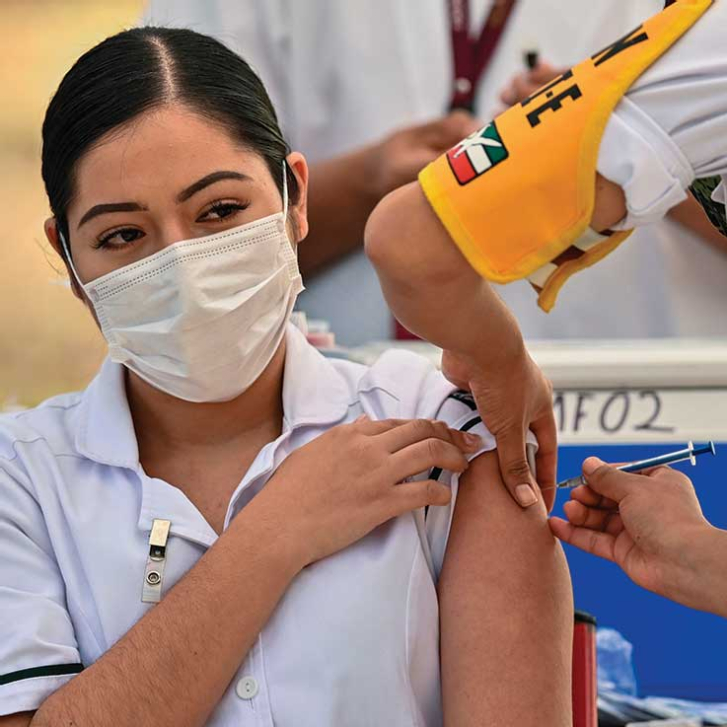
Wealthy nations are making large purchases of approved coronavirus vaccines, leaving other countries to wait longer to acquire the vaccine.

Four ways philanthropy can effectively partner with governments to support equitable vaccination distribution and ensure that more individuals are vaccinated against COVID-19.

Health-care innovation will be needed to put the brakes on the current pandemic and prepare the world for the next one. But how are accelerator programs adapting their activities to pandemic conditions?


Our understanding of community can help funders and evaluators identify, understand, and strengthen the communities they work with.

Two veterans of consumer psychology, marketing, and entrepreneurship provide a guide to using social media for social change.

Instead of pressuring already-stressed individuals to fix themselves, true wellness requires organization-level interventions.

Using artificial intelligence to predict behavior can lead to devastating policy mistakes. Health and development programs must learn to apply causal models that better explain why people behave the way they do to help identify the most effective levers for change.

Two years ago I quit my nonprofit CEO job. I’ve just had the two most productive years of my career.